The Debate Over Development: Challenges in the Banni Grasslands
A proposed solar plant project in the Banni grasslands of Gujarat has sparked a renewed conversation regarding the impact of centralized, top-down development strategies on ecologically sensitive regions. According to a report by The Hindu - Business Line, the development has raised significant concerns about the potential threats posed to the local ecosystem, prompting a critical look at how such large-scale projects are planned and implemented.
Understanding the Banni Grasslands
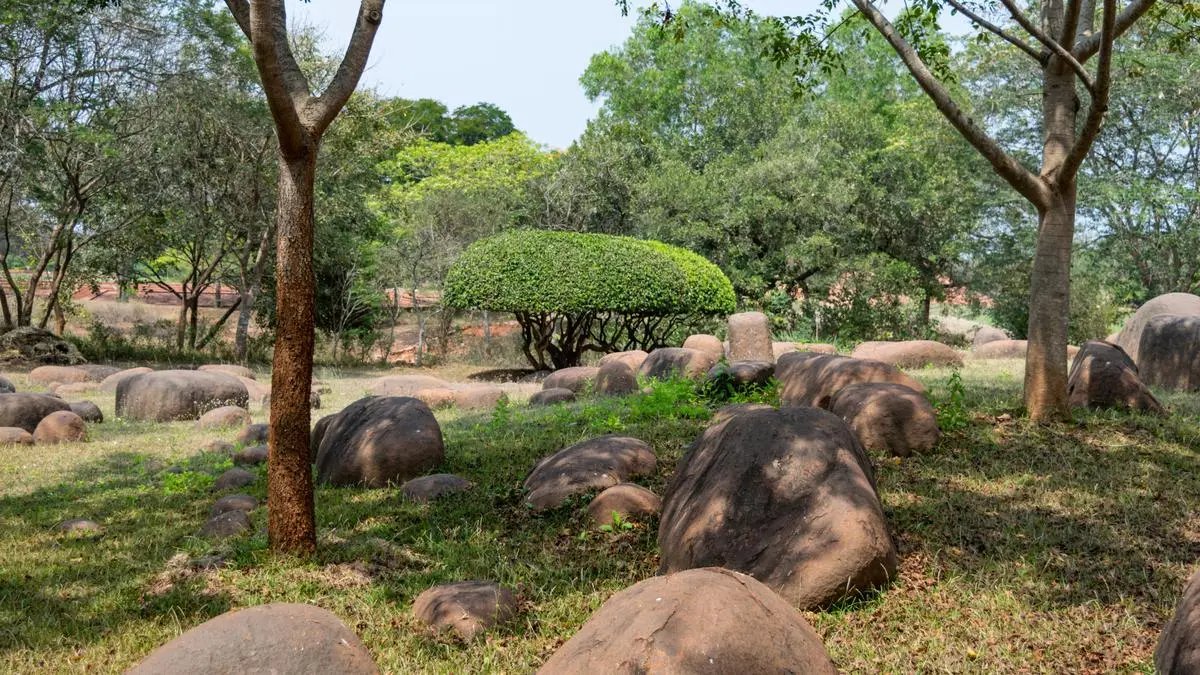
The Banni grasslands represent a unique and ecologically sensitive landscape in Gujarat. These regions are often characterized by their specific biodiversity and environmental importance. When development projects are introduced into such areas, the immediate impact on the local environment becomes a focal point for researchers, policymakers, and local stakeholders.
The current situation highlights the tension between the national push for renewable energy infrastructure and the preservation of fragile natural habitats. The solar plant project serves as a case study for the broader challenges inherent in balancing economic growth with environmental conservation.
Critiquing Top-Down Development Models
The report from The Hindu - Business Line suggests that the project in the Banni grasslands is bringing the efficacy of top-down development models into question. A top-down model typically involves decisions made by central authorities or large corporations with limited input from the local communities that are most directly affected by the changes to their land.
Critics of this approach often point to several key issues:
- Ecological Risk: Large-scale industrial installations can disrupt local flora and fauna, particularly in sensitive zones like grasslands.
- Lack of Local Integration: When projects are designed without the participation of local residents, the specific needs and traditional knowledge of the area may be overlooked.
- Sustainability Concerns: There is an ongoing debate regarding whether development that compromises local ecology can truly be considered sustainable in the long term.
The Concept of Community-Trusteeship
In light of the concerns surrounding the Banni grasslands, there is growing discourse around the adoption of a ‘community-trusteeship’ economic model. This approach suggests a departure from traditional top-down decision-making.
Under a community-trusteeship framework, the management and development of land and resources are handled with a focus on:
- Collective Responsibility: Local communities act as stewards of their environment, ensuring that development aligns with the long-term health of the ecosystem.
- Inclusive Decision-Making: Projects are vetted through processes that prioritize the voices and rights of those living in the immediate vicinity of the development.
- Balanced Growth: Economic initiatives, including energy projects, are designed to integrate with the existing landscape rather than displace or degrade it.
Looking Ahead
As the situation in Gujarat continues to develop, the core issue remains the necessity of finding a middle ground. The report indicates that the solar plant project is not merely an isolated case, but a reflection of a wider systemic challenge in how India manages land use for industrial and energy-related goals.
The transition toward more community-centric models of development may offer a pathway to mitigate the environmental risks associated with industrialization. By shifting the focus toward models that emphasize community-trusteeship, stakeholders may be able to address the dual requirements of meeting national energy targets while protecting the integrity of India's unique ecological zones like the Banni grasslands.