A Convergence of History and Advocacy: Pawan Khera Meets Sonam Wangyal’s Son in Ladakh
The geopolitical landscape of Ladakh, a region defined by its rugged terrain and strategic significance, has recently become the epicenter of a renewed political dialogue between national opposition leadership and local grassroots movements. In a significant development that bridges historical narratives with modern-day climate and administrative grievances, Congress Member of Parliament Pawan Khera visited the protest site in Ladakh on Friday, July 17. The visit marked a formal gesture of solidarity between the Indian National Congress and the ongoing movement led by innovator and activist Sonam Wangchuk.
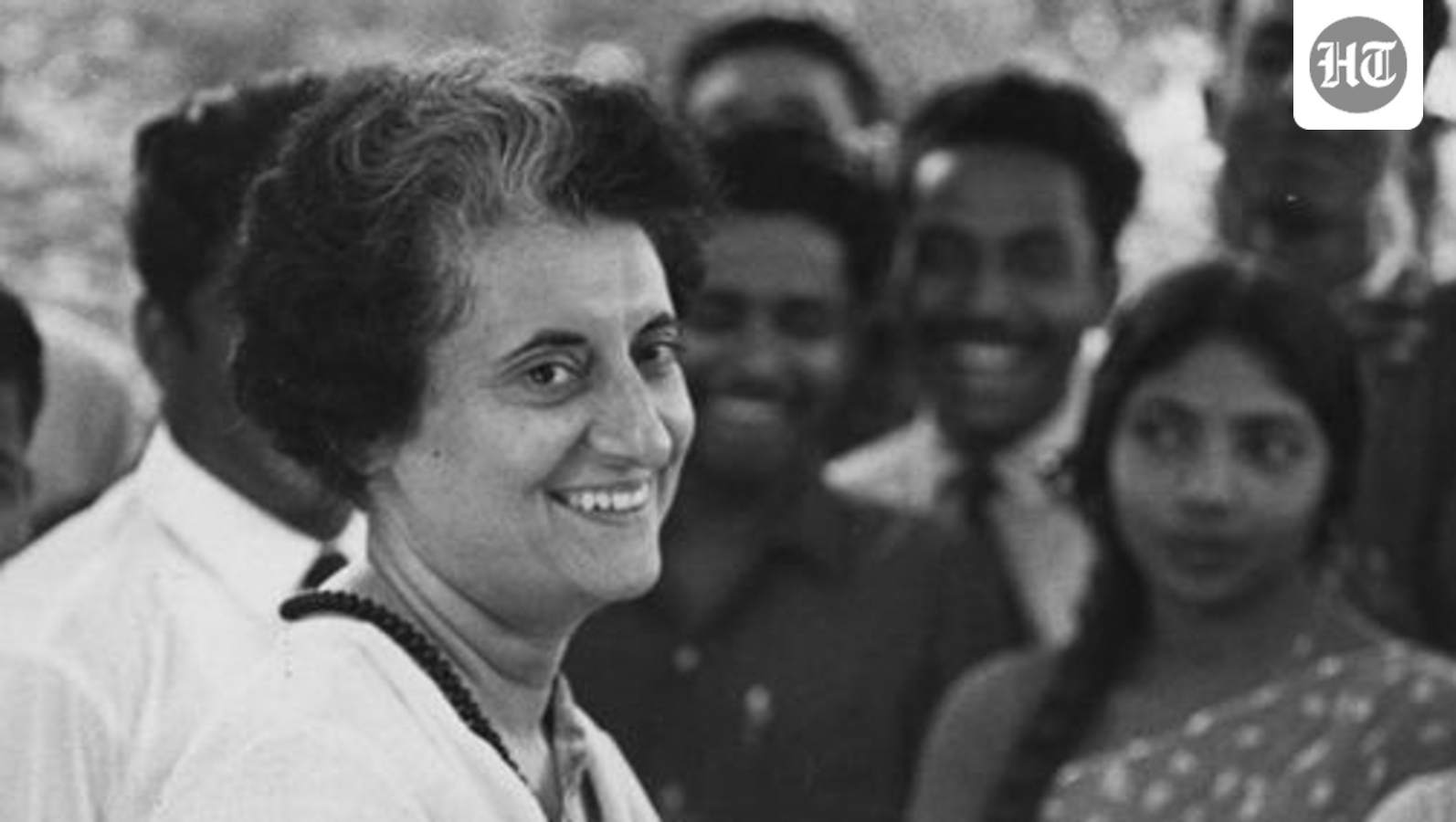
The encounter carries a profound symbolic weight, tracing back to a notable historical intersection in 1984, when then-Prime Minister Indira Gandhi met with Sonam Wangyal, the father of Sonam Wangchuk. That historical connection, long relegated to the archives of regional political memory, has now been thrust to the forefront of national discourse as the Congress party officially aligns itself with the demands of the Ladakh-based Climate Fast movement. This meeting serves as more than a mere courtesy call; it represents a strategic pivot in how national political entities engage with the unique socio-economic and environmental challenges facing the high-altitude desert region.
The Evolution of Ladakh’s Agrarian and Environmental Concerns
At the heart of the current protests in Ladakh are deep-seated anxieties regarding the region’s ecological fragility and the protection of its indigenous land rights. For generations, the communities of Ladakh have practiced a delicate balance of subsistence agriculture and pastoralism, navigating the harsh realities of the trans-Himalayan climate. However, the rapid pace of infrastructure development and the push for industrial-scale expansion have raised alarms among local residents who fear the irreversible degradation of their fragile ecosystem.
Sonam Wangchuk’s movement has consistently highlighted the necessity of institutional protections, such as the inclusion of Ladakh under the Sixth Schedule of the Indian Constitution. This constitutional provision is viewed by many as the only viable mechanism to safeguard tribal land, preserve local culture, and ensure that developmental decisions are made with the informed consent of the local population. By visiting the protest site, Pawan Khera’s delegation has signaled a commitment to amplifying these concerns within the halls of Parliament, potentially shifting the debate from a localized environmental protest to a central pillar of national legislative scrutiny.
Historical Echoes and the Continuity of Political Dialogue
The mention of the 1984 meeting between Indira Gandhi and Sonam Wangyal serves as a poignant reminder of the long-standing, albeit complex, relationship between the central government and the people of Ladakh. Sonam Wangyal, a respected figure in his own right, represented a generation that sought to integrate Ladakh’s distinct identity into the broader framework of the Indian nation-state while maintaining its autonomy and cultural integrity. The resurgence of this narrative suggests that the current struggle is not an isolated event, but part of a continuum of efforts to ensure that the voices of high-altitude communities are heard in New Delhi.
The involvement of a senior Congress spokesperson like Khera indicates that the party is looking to capitalize on this historical continuity. By acknowledging the legacy of the Wangyal family, the Congress party is attempting to build a narrative of institutional trust, framing its current support not as a transient political maneuver, but as a commitment to the long-term stability and democratic inclusion of Ladakh. This approach aims to bridge the gap between administrative policy and the ground-level realities faced by farmers and pastoralists who remain the primary custodians of the region's natural resources.
What This Means for Farmers
The formal engagement of national political parties in Ladakh’s protest movement carries significant implications for the region's agricultural community. Farmers in Ladakh are currently grappling with the dual pressures of climate change—manifested through erratic glacial melt and water scarcity—and the encroachment of industrial interests on grazing lands.
Actionable Impacts and Economic Considerations:
- Land Security: The push for Sixth Schedule status is a direct attempt to provide legal certainty to farmers. For the agricultural sector, this would mean stronger protections against land acquisition for non-agricultural projects, ensuring that arable land remains dedicated to food production and traditional pastoral use.
- Water Sovereignty: As water rights become increasingly contested, the political pressure applied by this movement could lead to more robust state-led water management policies that prioritize local irrigation needs over large-scale external industrial requirements.
- Legislative Advocacy: Farmers should observe how this political alignment translates into policy. If the Congress party successfully brings these issues into the parliamentary session, it could lead to increased budgetary allocations for cold-desert-specific agricultural research and resilient crop technologies.
- Economic Stability: By aligning with national platforms, local cooperatives and farmer groups gain a louder megaphone. This can translate into better bargaining power regarding the pricing of high-value niche products like Ladakhi apricots, sea buckthorn, and pashmina wool, as the region’s economic identity becomes more visible to the national market.
In summary, the meeting between Pawan Khera and Sonam Wangchuk marks a critical juncture. For the agriculturalists of Ladakh, the path forward requires leveraging this newfound national attention to secure the legal and environmental frameworks necessary to preserve their way of life in an increasingly unpredictable climate.