IMD Issues Widespread Heavy Rain Alerts Across Northern and Western India
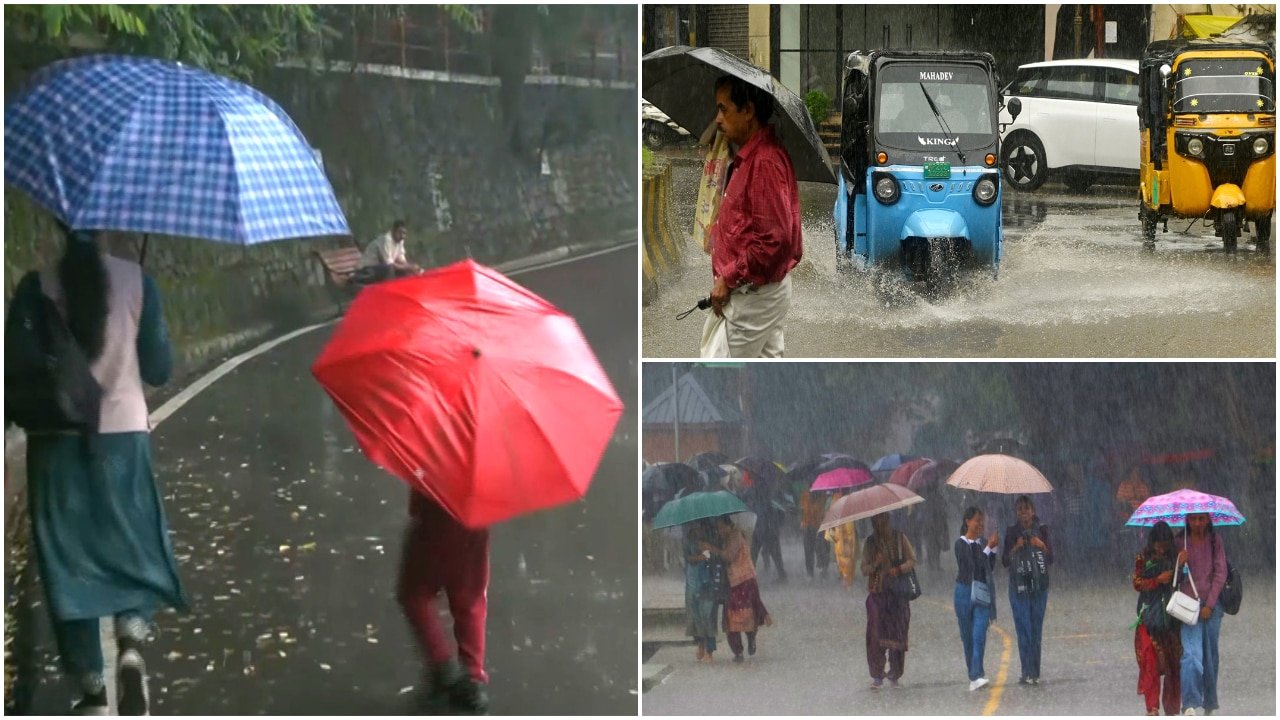
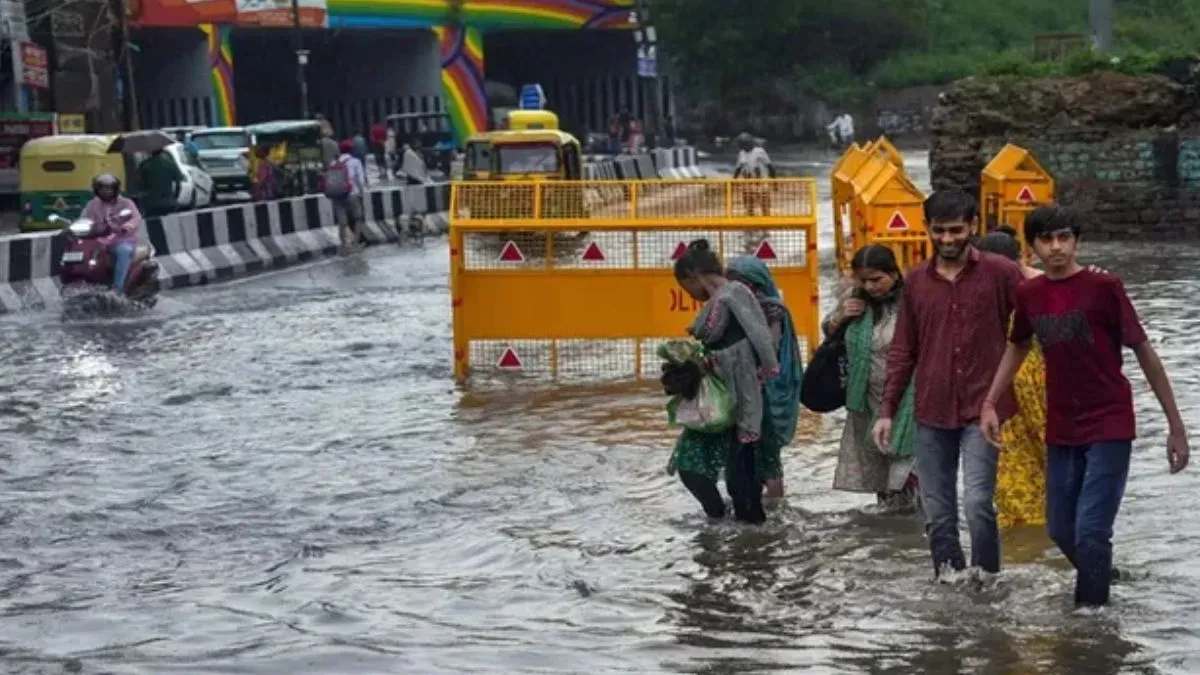
The India Meteorological Department (IMD) has sounded a high-alert warning for several states as a fresh spell of monsoon activity gathers momentum across the country. According to the latest bulletins, heavy to very heavy rainfall is expected to persist through August 17, impacting key agricultural belts in Uttarakhand, Maharashtra, and Rajasthan. Simultaneously, states across the Indo-Gangetic plain, including Delhi-NCR, Uttar Pradesh, and Bihar, are bracing for a period of unsettled weather characterized by thunderstorms and gusty winds.
The current meteorological setup is being driven by a combination of a shifting monsoon trough and localized low-pressure systems, which are drawing moisture from both the Arabian Sea and the Bay of Bengal. As these systems move inland, they are expected to bring significant precipitation to regions that have already experienced fluctuating rainfall patterns this season. For the agricultural sector, this weather shift presents a complex scenario, balancing the need for soil moisture replenishment against the risks of localized flooding and crop damage.
Regional Breakdown: Assessing the Impact of Heavy Rainfall
In the mountainous regions of Uttarakhand, the IMD has warned of heavy precipitation that could trigger landslides and flash floods, particularly in sensitive terrain. For farmers in the lower valleys and foothills, this level of moisture can be disruptive, potentially impacting standing horticultural crops and disrupting the logistical chains required to transport produce to urban markets. The intensity of the rain is expected to remain high until mid-August, necessitating extreme caution in hilly agricultural zones.
Meanwhile, the western state of Maharashtra is seeing a renewed surge in monsoon intensity. This is particularly significant for the state’s diverse agricultural portfolio, which ranges from sugarcane and cotton to pulses and oilseeds. Consistent rainfall is vital for the growth cycles of these crops; however, excessive water accumulation in fields can lead to waterlogging, which stifles root development and increases the risk of fungal infections. Similarly, in Rajasthan—a state that often grapples with semi-arid conditions—the arrival of these rains is a welcome relief for moisture-starved soil, provided the precipitation remains steady rather than torrential.
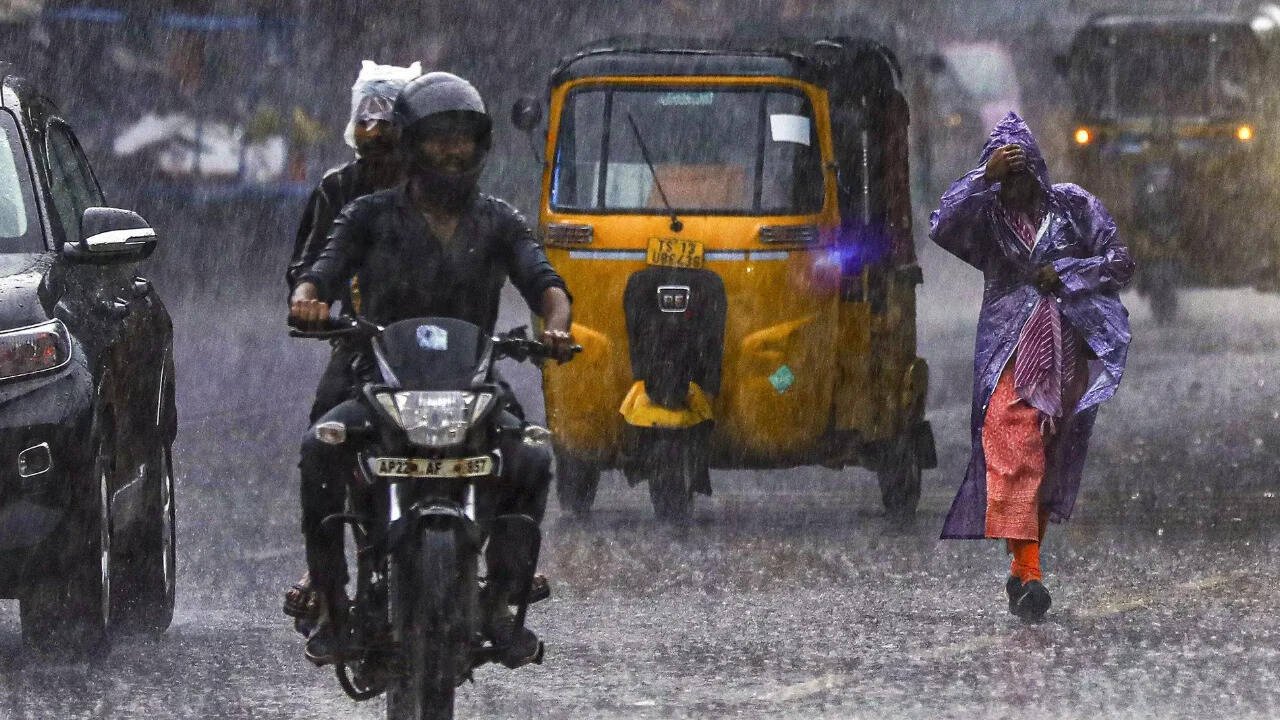
Across the northern plains, including Delhi-NCR, Uttar Pradesh, and Bihar, the forecast points toward moderate to heavy rainfall accompanied by lightning and gusty winds. These conditions are typical of late monsoon activity, where atmospheric instability results in sudden, high-intensity downpours. These storms pose a particular threat to tall-stalk crops like maize and sugarcane, which can be susceptible to lodging—the bending or breaking of stems—due to high winds.
What This Means for Farmers
The current weather alerts necessitate a proactive approach to farm management. As the IMD forecast remains active through August 17, farmers are advised to prioritize the following measures to safeguard their livelihoods and assets:
- Ensure Field Drainage: With heavy rainfall predicted, farmers should inspect and clear field drainage channels immediately. Preventing water stagnation is critical to protecting root health and ensuring that crops do not succumb to moisture-related diseases.
- Monitor Soil Moisture and Nutrient Levels: Excessive rainfall can leach essential nutrients from the soil. Once the weather stabilizes, farmers should assess their nutrient management plans to determine if additional top-dressing or fertilization is required to compensate for lost minerals.
- Secure Infrastructure and Fodder: Gusty winds and thunderstorms can damage farm structures, including polyhouses and storage sheds. Ensure that all temporary structures are reinforced. Additionally, store harvested grains and dry fodder in raised, moisture-proof areas to prevent spoilage from sudden rain.
- Exercise Caution with Field Operations: Avoid spraying pesticides or fertilizers immediately before or during heavy rain events, as the effectiveness of these treatments will be significantly reduced by runoff. Wait for a clear window to ensure optimal absorption.
- Stay Informed: Weather patterns during this time of year can change rapidly. Farmers should maintain close contact with local Krishi Vigyan Kendras (KVKs) and follow updated IMD bulletins to stay ahead of localized weather shifts that could impact harvesting or sowing schedules.
While the monsoon is essential for the nation's food security, the volatility observed in this current forecast highlights the increasing importance of climate-resilient farming practices. By maintaining vigilance and taking precautionary steps, the agricultural community can mitigate the risks associated with this period of intensified rainfall.