Monsoon Surge: IMD Issues Widespread Storm Alerts Across Northern and Central India
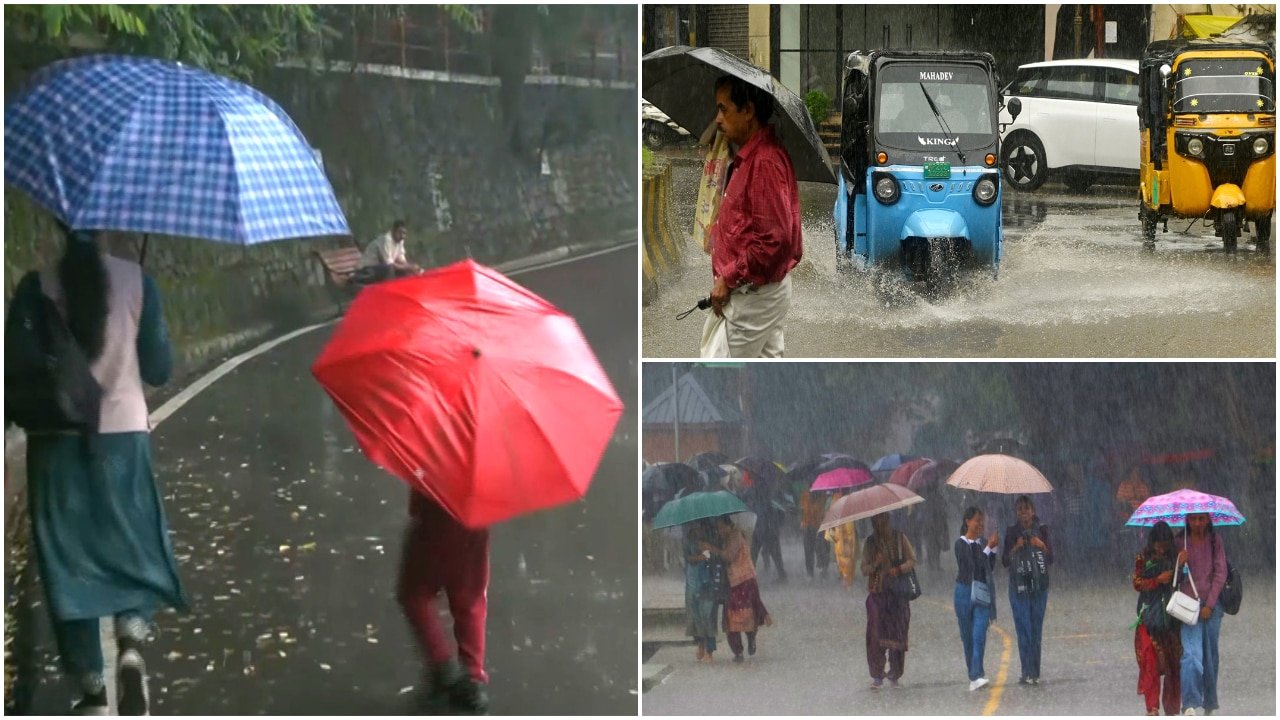
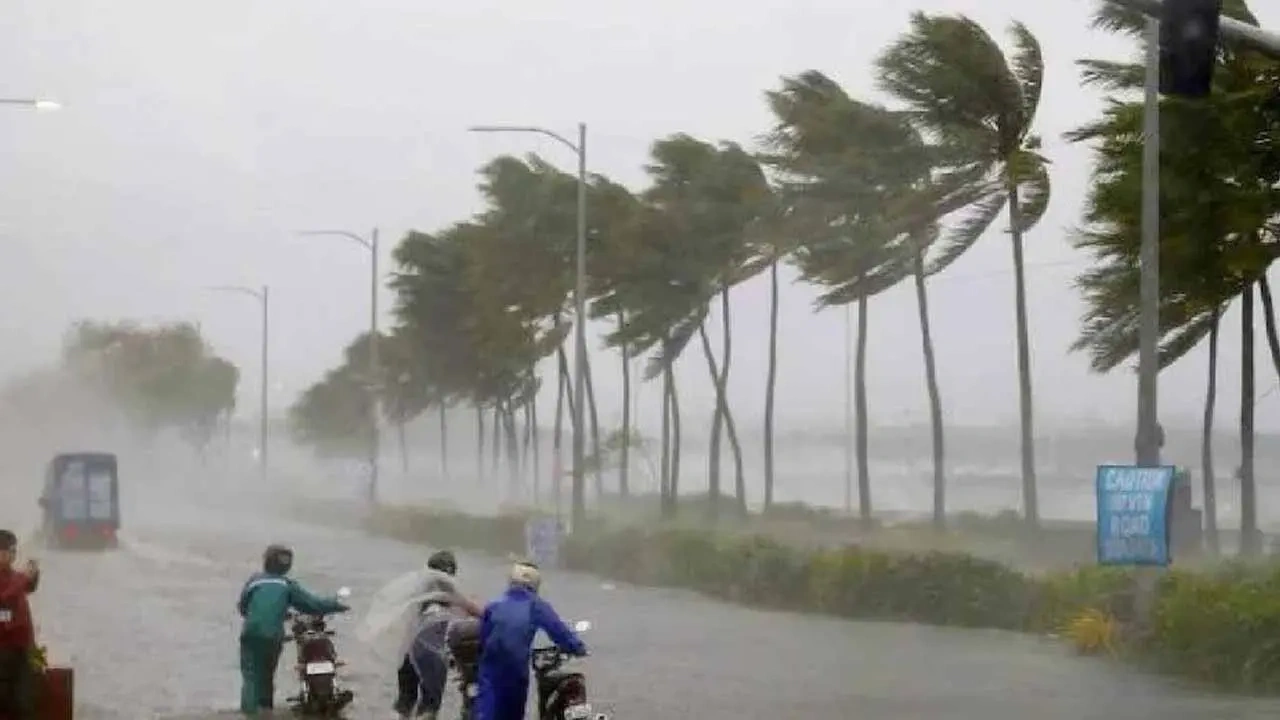
The Indian monsoon, after a brief period of moderation, has entered a phase of renewed intensity. According to the latest weekly bulletin released by the India Meteorological Department (IMD) on July 15, the monsoon trough has shifted and strengthened, triggering a high-alert status for over 16 states. The current meteorological environment is being driven by a rare confluence of atmospheric conditions, with experts identifying six major cyclonic systems operating simultaneously across the subcontinent. This convergence of weather patterns is expected to bring heavy to very heavy rainfall, accompanied by gusty winds and potential thunderstorm activity, significantly impacting agricultural operations and infrastructure across the northern and central belts.
Atmospheric Confluence: The Drivers of Extreme Precipitation
Meteorologists have highlighted that the current weather instability is not the result of a single system, but rather an intricate interaction between multiple atmospheric disturbances. The active presence of six distinct cyclonic systems—spanning across the Bay of Bengal, the Arabian Sea, and inland low-pressure areas—has created a moisture-rich environment that is fueling aggressive rainfall patterns. This configuration is facilitating a deep influx of moisture from both the Arabian Sea and the Bay of Bengal, which is colliding over the Indo-Gangetic plains.
States such as Uttar Pradesh and Bihar, which are currently in the critical window for Kharif crop establishment, are facing the brunt of these systems. The IMD’s forecast suggests that the intensity of these storms will be characterized by sustained downpours rather than short, localized showers. This shift in monsoon dynamics poses a challenge to drainage systems in both rural and urban areas, as the soil saturation levels in many of these regions have already reached maximum capacity from earlier rainfall events. The combination of high-velocity winds and heavy precipitation creates a risk profile that requires heightened vigilance from regional disaster management authorities.
Regional Impact and Geographic Scope
The alert issued by the IMD spans a vast geography, encompassing Northern, Central, and parts of Western India. While Uttar Pradesh and Bihar are highlighted as primary areas of concern due to the vulnerability of their agricultural sectors, the impact is set to ripple across more than 16 states. In these regions, the combination of convective activity and monsoon moisture is expected to manifest as lightning strikes, flooding in low-lying areas, and potential landslides in the sub-Himalayan regions and Western Ghats.
Agricultural meteorologists emphasize that while the monsoon is essential for groundwater replenishment and reservoir levels, the "aggressive" nature of this current phase can be counterproductive. The high intensity of rainfall over a short duration often leads to surface runoff rather than deep-soil percolation, potentially causing erosion in fields where crops are in the early vegetative stages. Furthermore, the accompanying storm activity poses a threat to standing crops and temporary agricultural infrastructure, such as poly-houses and storage sheds.
What This Means for Farmers
For the farming community, this meteorological bulletin serves as a critical call to adjust field management practices immediately. The economic and agronomic consequences of such extreme weather events are significant, and proactive steps can mitigate potential losses:
- Prioritize Field Drainage: With heavy rainfall predicted, ensuring that drainage channels are clear is the most immediate priority. Preventing waterlogging in fields is essential to avoid root rot and nutrient leaching, which can severely stunt the growth of crops like paddy, maize, and pulses.
- Monitor Crop Health and Pest Pressure: High humidity and persistent moisture create ideal conditions for fungal infections and pest infestations. Farmers are advised to scout their fields frequently and be prepared to deploy preventative measures, such as fungal-resistant sprays, once the storm intensity subsides.
- Protect Input Supplies: Ensure that fertilizers, seeds, and harvested grain are stored in elevated, moisture-proof structures. The high-moisture environment can lead to significant post-harvest losses if storage areas are not properly sealed.
- Avoid Field Operations During Storms: Given the risk of lightning associated with these cyclonic systems, farmers should prioritize personal safety. Avoid working in open fields during periods of intense thunder and lightning, and ensure that livestock are moved to secure, covered shelters.
- Consult Local Advisory Services: Farmers should stay tuned to district-level agro-meteorological advisories. These localized updates often provide more specific guidance regarding the timing of rainfall and the necessary protective measures tailored to the specific crops grown in their region.
Ultimately, while the current surge in monsoon activity is a natural component of the Indian climate cycle, the sheer scale of the active systems necessitates a cautious approach. By focusing on field sanitation, drainage management, and personal safety, farmers can better navigate this period of heightened weather volatility.