Monsoon Surge Triggers High-Alert Status Across North and Central India
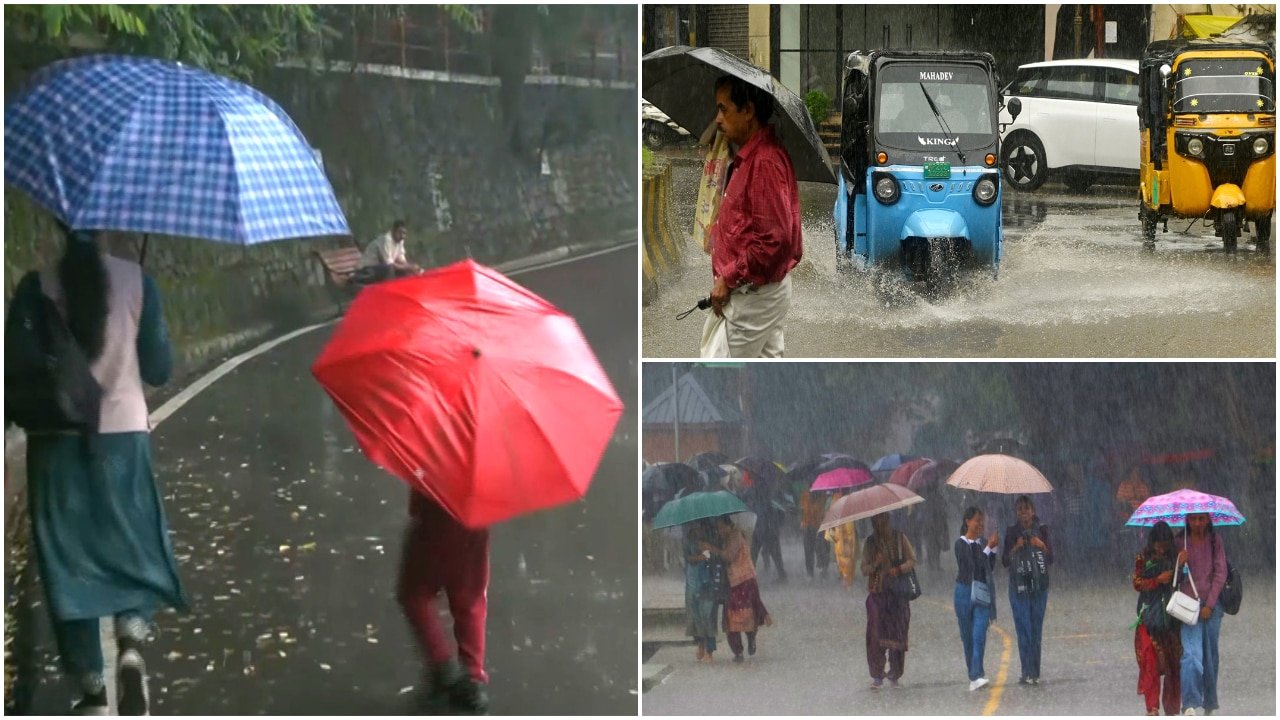
The India Meteorological Department (IMD) has issued a comprehensive weather warning as an active monsoon trough intensifies across Northern and Central India. The latest meteorological bulletin highlights a significant atmospheric shift, placing 15 states under an alert for heavy rainfall, intense thunderstorms, and high-velocity winds. This surge in weather activity is expected to bring substantial relief to regions recently grappling with prolonged heatwaves, though it simultaneously introduces critical challenges for infrastructure, urban drainage, and rural agricultural operations.
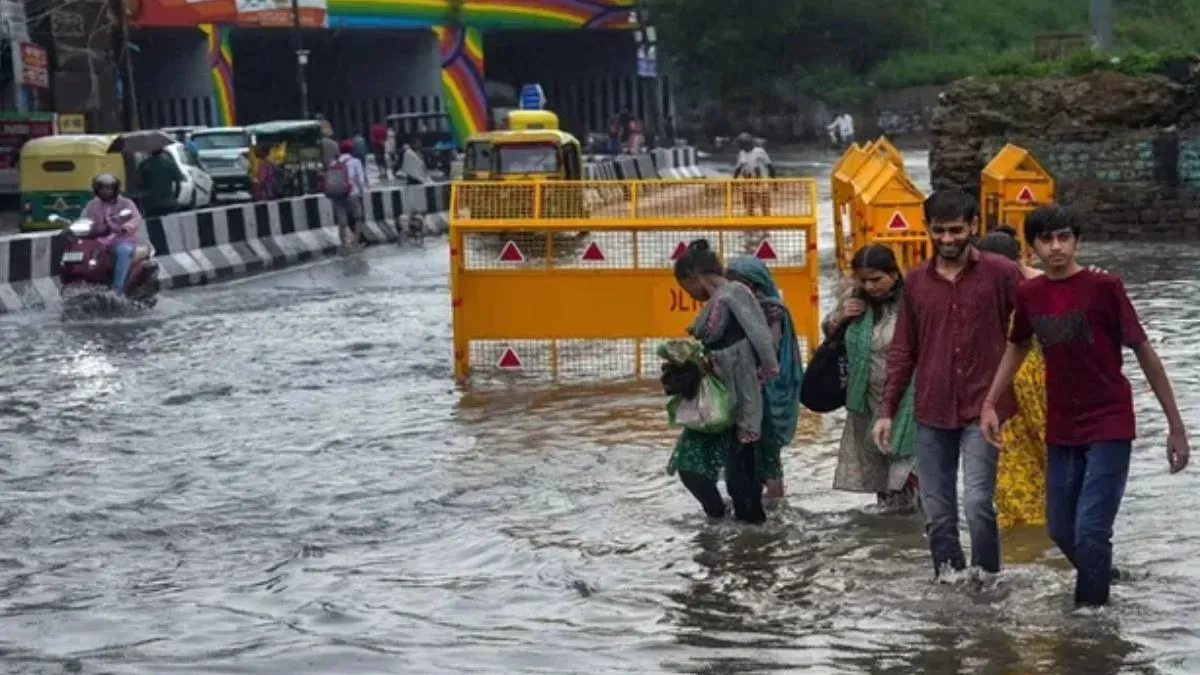
According to the IMD, the trough is currently positioned in a manner that facilitates moisture influx from both the Arabian Sea and the Bay of Bengal, creating an environment conducive to sustained heavy precipitation. Residents in the National Capital Region (NCR), Uttar Pradesh, and Uttarakhand have been advised to remain vigilant, as the meteorological conditions are expected to persist over the coming days, potentially leading to localized flooding and significant travel disruptions.
The Impact on Vulnerable Regions: Landslides and Wind Hazards
The most severe warnings are currently concentrated on the Himalayan foothills, with Uttarakhand placed under an Orange Alert. The combination of intense rainfall and the state’s rugged topography creates an immediate risk of landslides and flash floods, particularly in districts characterized by steep terrain. Meteorological experts caution that the soil saturation levels in these areas have reached a critical threshold, increasing the likelihood of slope failures that could obstruct vital transport arteries and impede connectivity to remote mountain villages.
Beyond the mountainous regions, the plains are bracing for convective activity characterized by severe thunderstorms. The IMD has projected wind speeds reaching up to 70 kmph in specific corridors. These high-velocity winds pose a significant threat to standing crops, power infrastructure, and temporary shelters. In the Delhi-NCR region, the rainfall is expected to be heavy, testing the capacity of urban drainage systems. While the precipitation is welcomed for replenishing water reservoirs and cooling the air, the intensity of the downpours presents a high probability of waterlogging in low-lying areas, which may disrupt daily commerce and logistics.
What This Means for Farmers
For the agricultural community, this meteorological shift brings a complex mix of benefits and immediate risks that require proactive management:
- Crop Protection: Farmers in the path of the 70 kmph wind gusts must assess the structural integrity of tall-standing crops. Where possible, ensuring proper field drainage is essential to prevent waterlogging, which can lead to root rot and nutrient leaching—particularly in crops currently in the vegetative growth stage.
- Pest and Disease Management: High humidity and heavy rainfall often create ideal conditions for fungal pathogens and certain insect populations. Agricultural extension services recommend scouting fields immediately following the heavy rain to detect early signs of blight or fungal infections, which may require timely intervention once the weather clears.
- Livestock Safety: With the alert for heavy thunderstorms, livestock should be moved to secure, dry, and well-ventilated shelters. It is critical to ensure that electrical installations in dairy barns or poultry houses are properly insulated and grounded to prevent accidents during high-wind and lightning events.
- Infrastructure Maintenance: Producers should inspect farm irrigation channels and drainage ditches to ensure they are free of debris. An unobstructed drainage path is the most effective defense against the yield losses associated with field inundation.
- Market Logistics: Farmers planning to transport perishable goods to market should monitor local weather updates closely. Road closures due to landslides in hilly areas or waterlogging in urban centers can significantly delay supply chains, potentially affecting the shelf-life and quality of produce.
As the monsoon trough remains active, the agricultural sector is encouraged to prioritize soil health and infrastructure resilience. By staying informed through official IMD channels and coordinating with local agricultural extension officers, farmers can better navigate the risks associated with this period of volatile weather and capitalize on the essential moisture provided by the monsoon.