Monsoon Surge Triggers High-Alert Status Across Northern India
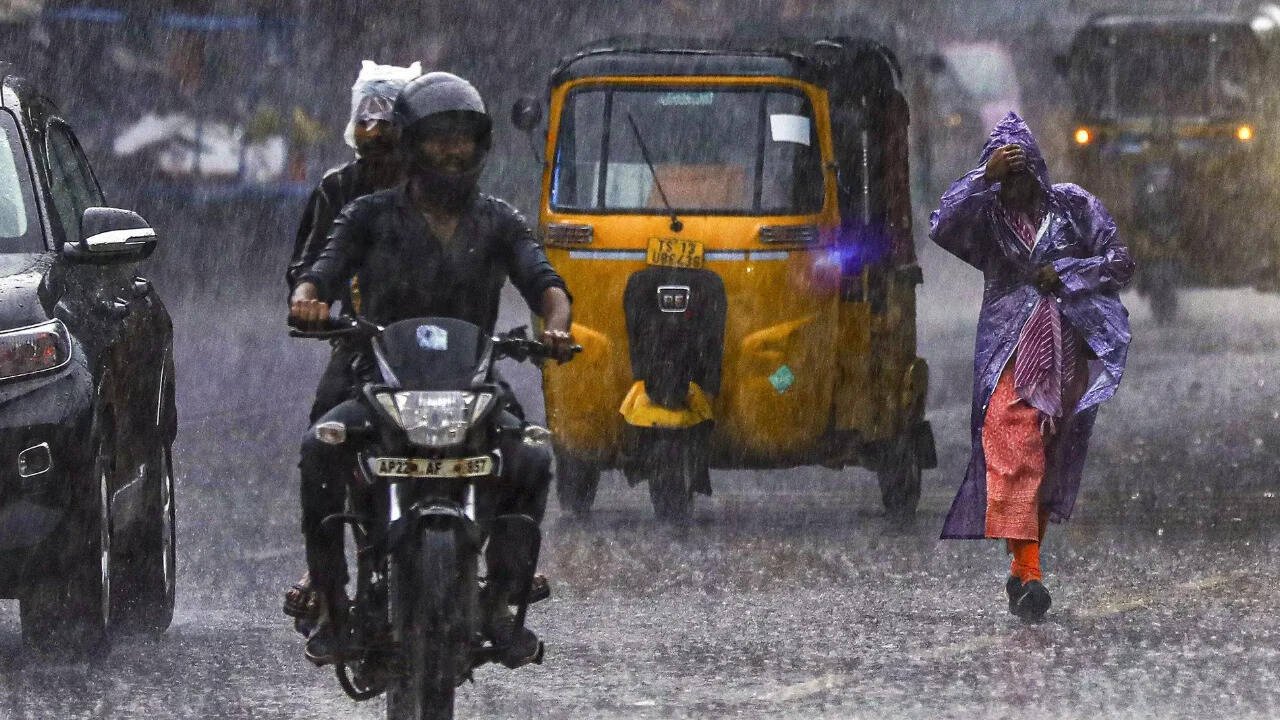
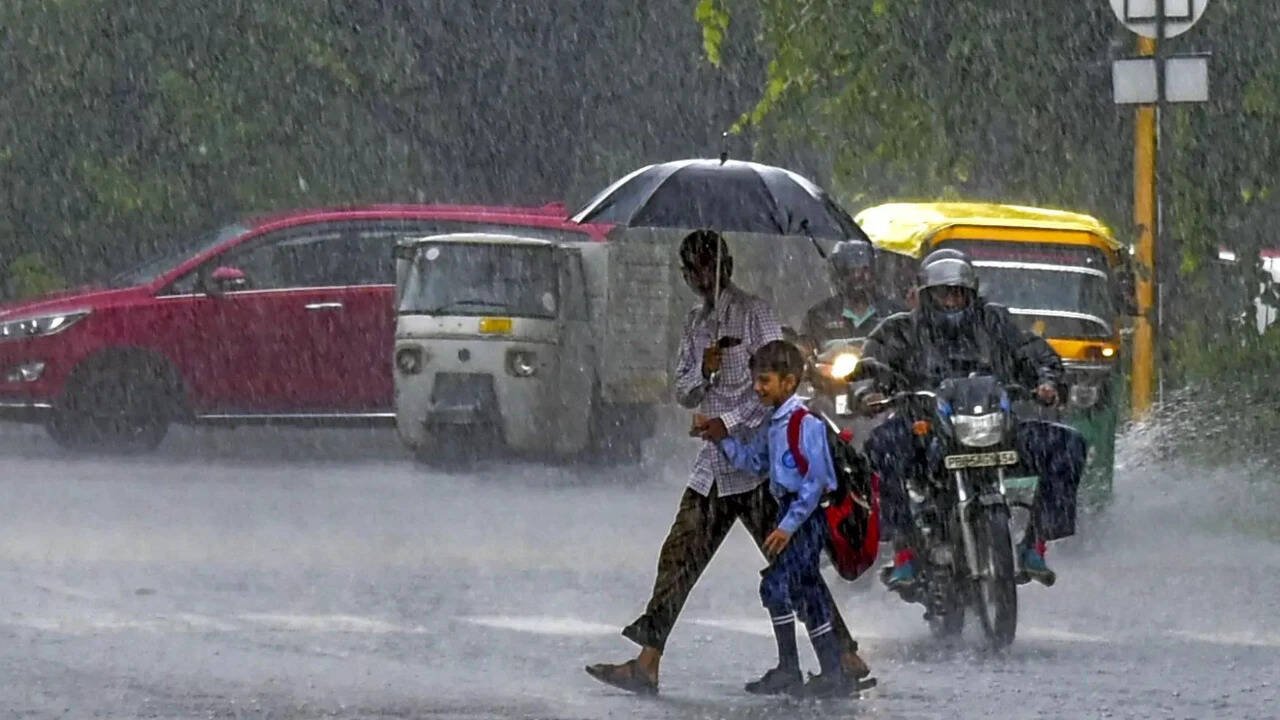
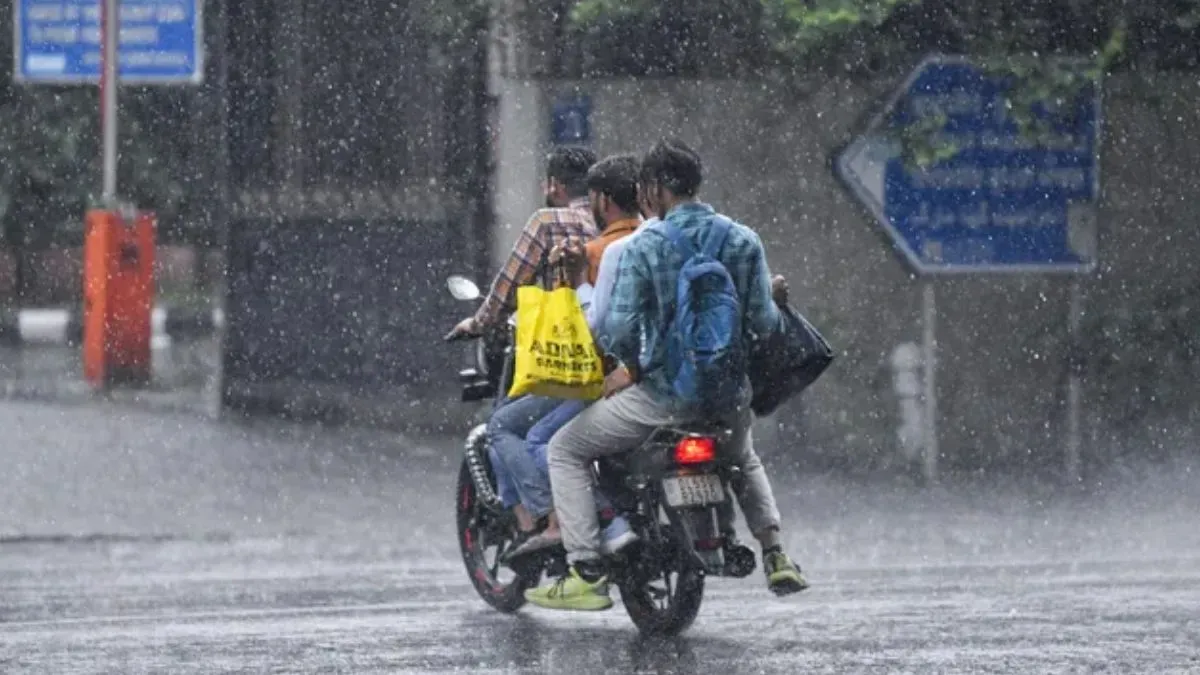
The India Meteorological Department (IMD) has issued a significant weather advisory as a vigorous monsoon spell sweeps across northern and northeastern India. With heavy to very heavy rainfall expected to persist through August 13, authorities are bracing for potential disruptions across the National Capital Region (NCR), Himachal Pradesh, Uttar Pradesh, and Bihar. The atmospheric conditions, characterized by active monsoon troughs, are bringing not only sustained precipitation but also the risk of thunderstorms and gusty winds, heightening the urgency for disaster preparedness and agricultural vigilance.
Regional Forecasts and Meteorological Drivers
The current weather pattern is being driven by the movement of the monsoon trough, which has positioned itself closer to the foothills of the Himalayas. This shift is concentrating moisture-laden winds over Himachal Pradesh, where the hilly terrain increases the risk of flash floods and landslides. Residents in these mountainous regions have been cautioned against unnecessary travel as the intensity of rainfall is expected to peak mid-week.
In the plains, including Delhi-NCR, the forecast indicates intermittent but intense spells of rain. Urban centers are on alert for potential waterlogging, while the surrounding agricultural belts are monitoring the precipitation levels closely. Meanwhile, the states of Uttar Pradesh and Bihar are experiencing a long-awaited surge in monsoon activity. After extended periods of humidity and high temperatures, these regions are receiving widespread showers that are essential for the replenishment of groundwater reserves and the maintenance of soil moisture levels, though the intensity of these rains remains a point of concern for low-lying areas.
Agricultural Implications of Sustained Rainfall
For the agricultural sector, the ongoing weather event presents a complex landscape of benefits and challenges. In many parts of Uttar Pradesh and Bihar, the current rain is timely for crops currently in the vegetative growth phase. Adequate moisture at this juncture is critical for ensuring healthy plant development and optimizing yield potential for the upcoming harvest. However, the IMD’s warning of gusty winds poses a secondary threat: lodging.
Crops that have reached a certain height and density are particularly vulnerable to high-velocity winds, which can cause them to collapse, leading to significant yield loss and harvesting difficulties. Furthermore, the saturated soil conditions, if prolonged, can lead to root rot and other fungal diseases, particularly in sensitive crop varieties. The combination of humidity and stagnant water creates an ideal environment for pests, necessitating vigilant crop monitoring by farmers over the coming days.
What This Means for Farmers
The IMD alert serves as a critical reminder for the farming community to prioritize risk management during this volatile period. The following actions are recommended to mitigate potential damage:
- Ensure Field Drainage: Farmers in low-lying areas should clear drainage channels immediately to prevent waterlogging, which can suffocate root systems and cause irreparable crop damage within 24 to 48 hours of heavy inundation.
- Monitor for Pest and Disease Outbreaks: Increased humidity levels often precede outbreaks of bacterial blight or fungal infections. Regular scouting of fields is essential; if early symptoms are detected, consultation with local agricultural extension officers for appropriate, safe, and regulated fungicide application is advised.
- Postpone Chemical Applications: Avoid the application of fertilizers or pesticides immediately before or during heavy rain, as the runoff will not only render the treatment ineffective but also lead to the leaching of nutrients, resulting in an unnecessary financial loss and environmental impact.
- Secure Infrastructure: Ensure that livestock shelters are reinforced against gusty winds and that harvested produce or fertilizers stored in open or semi-open structures are moved to elevated, dry, and covered locations.
- Stay Informed: Continue to monitor local weather bulletins provided by the IMD and state agricultural departments. Localized weather data is often more indicative of specific district-level risks than general regional forecasts.
While the monsoon remains the lifeblood of Indian agriculture, its unpredictability requires a proactive approach. By maintaining a state of readiness and adhering to the guidance of meteorological experts, farmers can better navigate these challenging weather conditions and protect their seasonal investments.