Widespread Monsoon Surge Triggers High-Alert Status Across 17 States
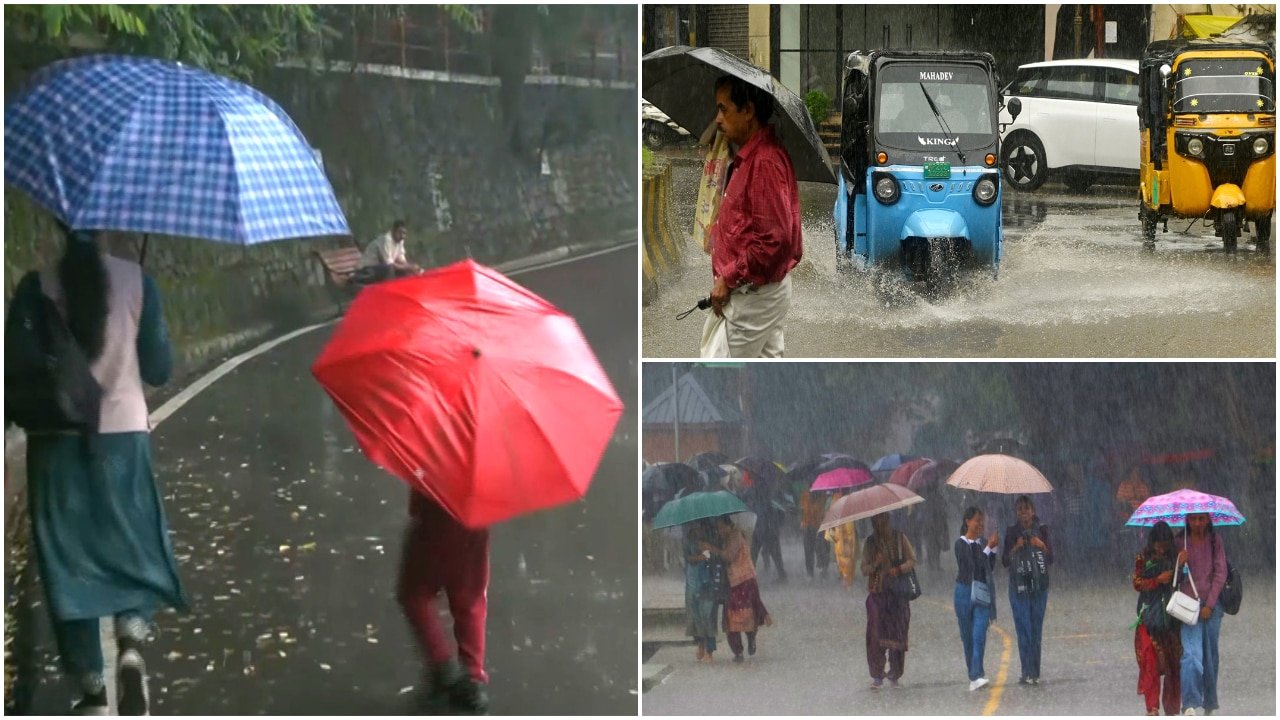
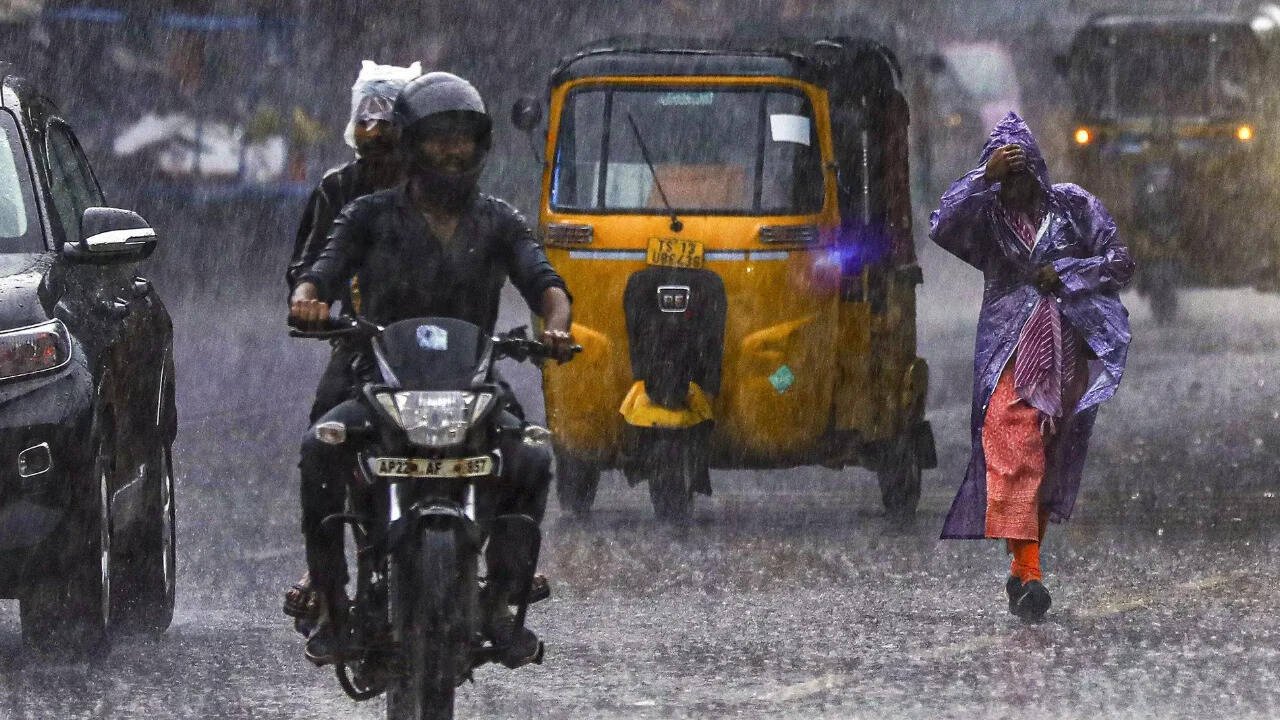
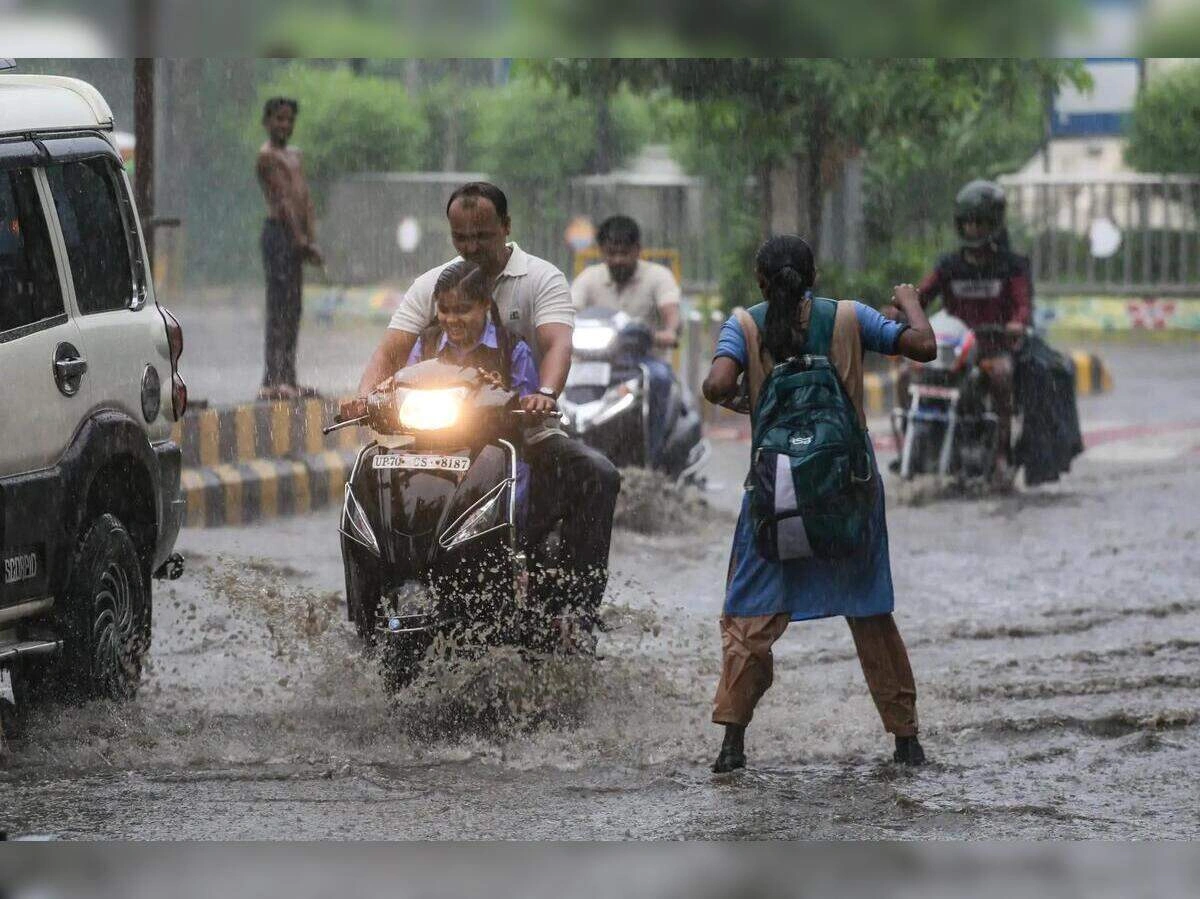
The India Meteorological Department (IMD) has issued a comprehensive weather bulletin indicating a period of intense meteorological activity across the country. As of August 11, 2026, a significant low-pressure area currently situated over north-west Madhya Pradesh is acting as a primary driver for widespread precipitation. This weather system, coupled with favorable atmospheric conditions, is expected to bring heavy to very heavy rainfall to more than 17 states over the coming seven-day period.
Meteorologists are closely monitoring the movement of this low-pressure trough, noting that its interaction with moisture-laden winds from the surrounding regions is creating a sustained weather event. The forecast suggests that the intensity of the rainfall will be unevenly distributed, with certain regions facing a high risk of localized flooding and waterlogging. The ongoing monsoon surge is anticipated to disrupt regional logistics and agricultural operations, marking one of the most significant weather shifts of the current season.
Atmospheric Dynamics and Regional Impact
The current weather pattern is characterized by a complex interaction between the low-pressure system and the monsoon trough, which has shifted closer to its normal position. This alignment is facilitating a steady inflow of moisture, resulting in persistent cloud cover and intermittent heavy downpours. The IMD’s seven-day outlook highlights that the influence of these systems will not be limited to a single geographical pocket but will instead stretch across a broad corridor of the Indian subcontinent.
In addition to the primary low-pressure system, secondary atmospheric disturbances are contributing to the instability. These factors are expected to trigger severe weather conditions, including intense thunderstorms and high-velocity winds in vulnerable areas. The cumulative effect of these systems is likely to lead to a significant rise in water levels in local rivers and reservoirs. As the week progresses, the IMD will continue to issue rolling updates, as the trajectory of low-pressure systems can shift rapidly, potentially extending the duration of the heavy rainfall beyond the current seven-day estimate.
Managing Infrastructure and Crop Health
The intensity of the projected rainfall poses a multi-faceted challenge for the agricultural sector and rural infrastructure. Sustained heavy rain can lead to soil saturation, which in turn increases the risk of crop lodging, particularly for standing cereal crops. Furthermore, stagnant water in fields can lead to increased pest pressure and the rapid spread of fungal diseases, which thrive in high-humidity environments. Beyond the fields, the increased rainfall is expected to test the resilience of rural road networks and irrigation drainage systems, which may require immediate maintenance to prevent long-term damage.
What This Means for Farmers
For the farming community, this seven-day forecast serves as a critical window for proactive risk management. Farmers are advised to take the following steps to mitigate potential losses during this period of severe weather:
- Ensure Field Drainage: Prioritize the maintenance of drainage channels around fields to prevent waterlogging. Rapid removal of excess water is essential to protect the root zones of sensitive crops from oxygen deprivation.
- Postpone Fertilizer Applications: With heavy rainfall predicted, the application of chemical fertilizers should be suspended. Excessive rain can lead to nutrient leaching, rendering the application ineffective and increasing input costs.
- Monitor for Disease Outbreaks: Increased moisture levels create an ideal breeding ground for pathogens. Farmers should scout their fields regularly for signs of blight, rust, or other fungal infections and consult with local agricultural extension offices regarding the appropriate timing for preventative treatments once the rain subsides.
- Secure Harvested Produce: For those in regions where harvesting or post-harvest activities are underway, ensure that all produce is stored in elevated, moisture-proof structures. Protecting grain from dampness is vital to maintaining market quality and preventing mycotoxin contamination.
- Livestock Safety: Move livestock to higher, well-ventilated shelters to protect them from the stress of severe weather and the potential for water-borne illnesses common during heavy monsoon events.
By staying informed through official IMD updates and taking preemptive action, producers can better navigate the challenges posed by this active monsoon phase and protect their seasonal yields.