Meteorological Update: Widespread Precipitation Forecast Across Northern and Eastern India
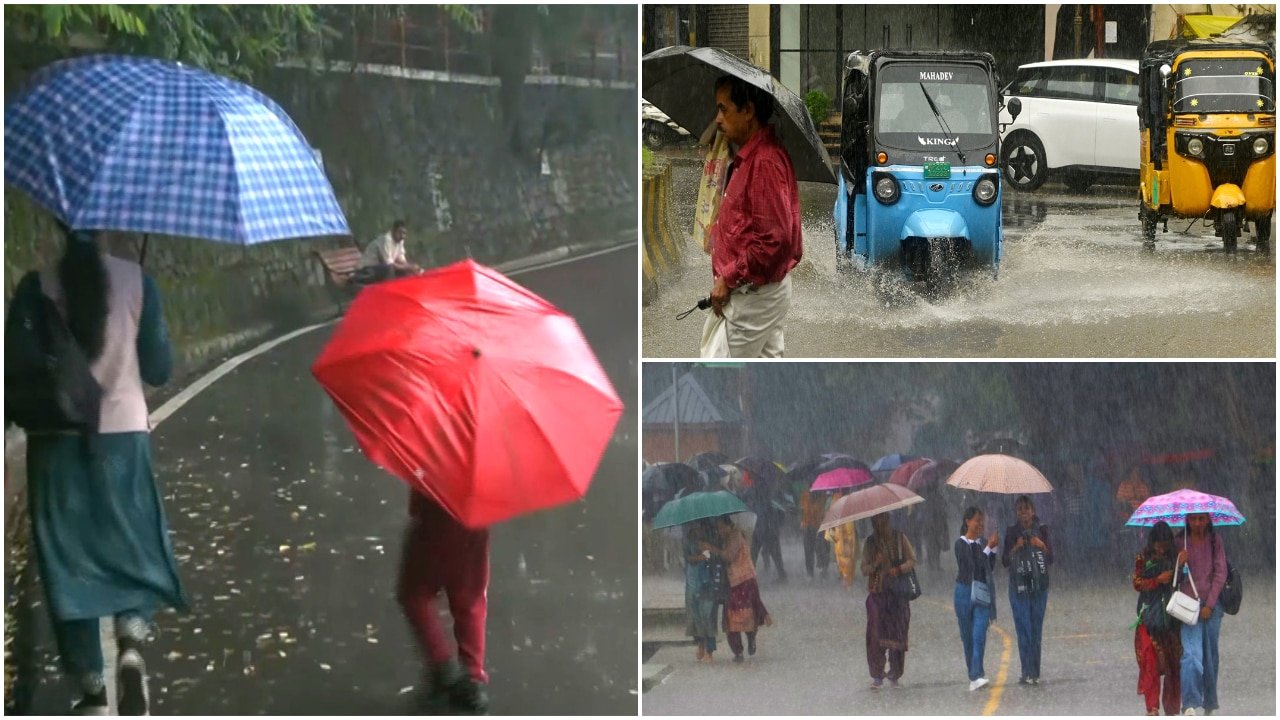
The India Meteorological Department (IMD) has issued a significant weather advisory, signaling a resurgence of active monsoon conditions across a vast swathe of the country. Despite a period of relative stabilization in northern regions, meteorological models indicate a shift in atmospheric patterns that will bring heavy rainfall, gusty winds, and localized thunderstorms to 15 states over the next 10 hours. This incoming weather system is expected to remain active through July 21, providing a necessary hydrological boost to agricultural landscapes currently navigating the complexities of the monsoon season.
The forecast highlights a broad geographic reach, with particularly heavy precipitation anticipated across West Bengal, Uttar Pradesh, and the National Capital Region of Delhi. For farmers and regional stakeholders, this shift signifies a move away from the recent sweltering conditions. The IMD expects that the influx of moisture and cloud cover will facilitate a temperature drop of two to four degrees Celsius, offering a reprieve from the heat stress that has impacted both soil moisture levels and crop physiological development in recent weeks.
Regional Impact and Meteorological Drivers
The current weather pattern is largely dictated by the intensification of low-pressure systems and the active movement of the monsoon trough. In West Bengal and the surrounding eastern coastal corridors, the forecast includes persistent rainfall, which is critical for the ongoing paddy transplantation season. These regions often rely on consistent early-season moisture to establish healthy crop stands before the peak of the monsoon.
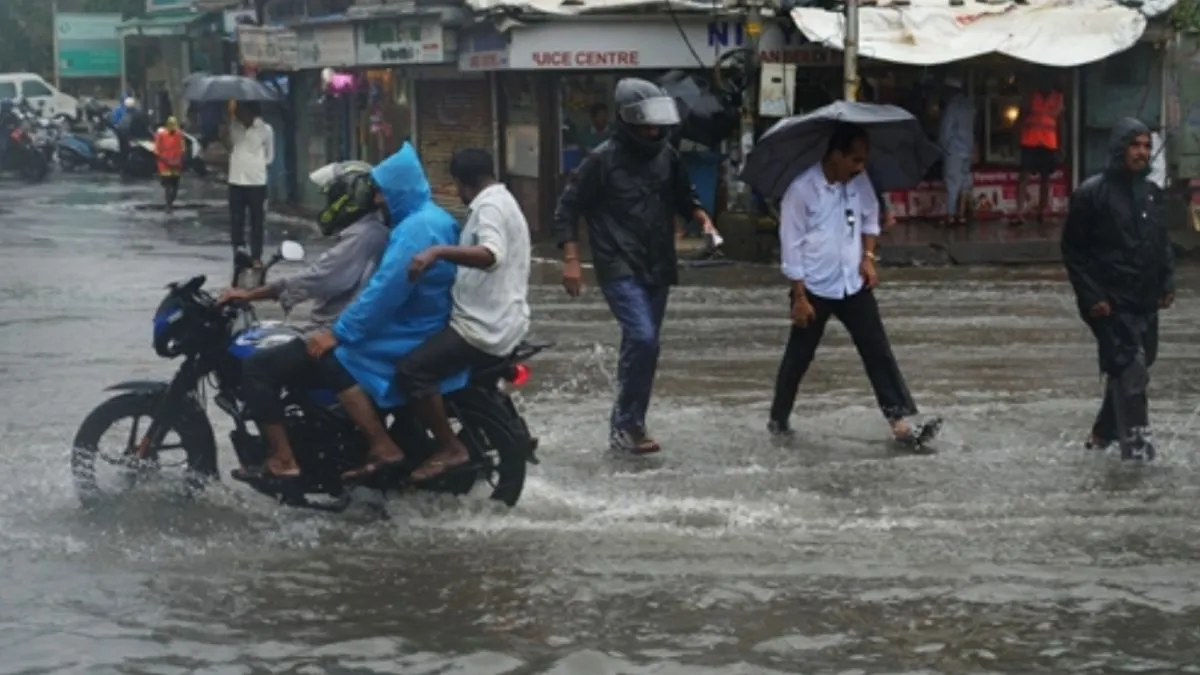
In Uttar Pradesh and Delhi, the anticipated thunderstorms and gusty winds are expected to break the recent humidity-laden heat. While these rains are welcomed for groundwater replenishment, the IMD has cautioned that the intensity of the winds could pose risks to standing crops if not properly managed. The localized nature of these thunderstorms means that while the overall moisture deficit will be addressed, the distribution of rainfall may vary significantly between districts. Farmers are advised to remain vigilant, as heavy downpours in short durations can lead to localized waterlogging in low-lying fields, necessitating proactive field drainage strategies.
Coastal Outlook: Monitoring the Puri Forecast
The coastal regions, specifically around Puri, are under close observation as the monsoon currents interact with the Bay of Bengal. The IMD’s forecast for these areas emphasizes the potential for squally weather, which is typical during this phase of the monsoon. The maritime conditions associated with this weather system serve as a reminder of the volatility inherent in coastal agriculture and fishing activities.
For the agricultural community in these coastal belts, the rain is essential for sustaining the kharif crops, but the associated wind speeds require careful monitoring of infrastructure. The combination of high humidity and wind can occasionally create conditions conducive to fungal pathogens in sensitive crops. Therefore, regional agricultural extensions are emphasizing the importance of monitoring crop health closely following the precipitation events to mitigate any potential outbreaks of pests or diseases that thrive in high-moisture environments.
What This Means for Farmers
The forecast for the coming days presents both opportunities and challenges that require immediate attention from the farming community:
- Moisture Management: The predicted drop in temperature and increase in rainfall is ideal for crops currently in the vegetative growth stage. However, ensure that field drainage systems are clear to prevent water stagnation, which can lead to root rot in sensitive crops like pulses or vegetables.
- Nutrient Application: With heavy rainfall forecasted, it is advisable to defer top-dressing of fertilizers. Excessive rain shortly after application can lead to nutrient leaching, rendering the investment ineffective and potentially contaminating local water runoff. Wait for the weather to stabilize before applying nitrogen-based fertilizers.
- Infrastructure and Safety: Gusty winds can damage temporary structures, shade nets, and standing taller crops like maize or sugarcane. Inspect supporting structures for any weaknesses and ensure that livestock are provided with adequate shelter from the anticipated thunderstorms.
- Pest and Disease Monitoring: Increased humidity following heavy rain is a primary driver for the rapid spread of fungal infections and certain insect pests. Scout fields regularly over the next week for early signs of leaf spot or aphid infestations.
- Economic Outlook: The cooling effect and replenishment of soil moisture are expected to stabilize crop growth rates, which is positive for long-term yield projections. Farmers should utilize the moisture to complete any remaining sowing operations that may have been delayed due to the recent heatwave.