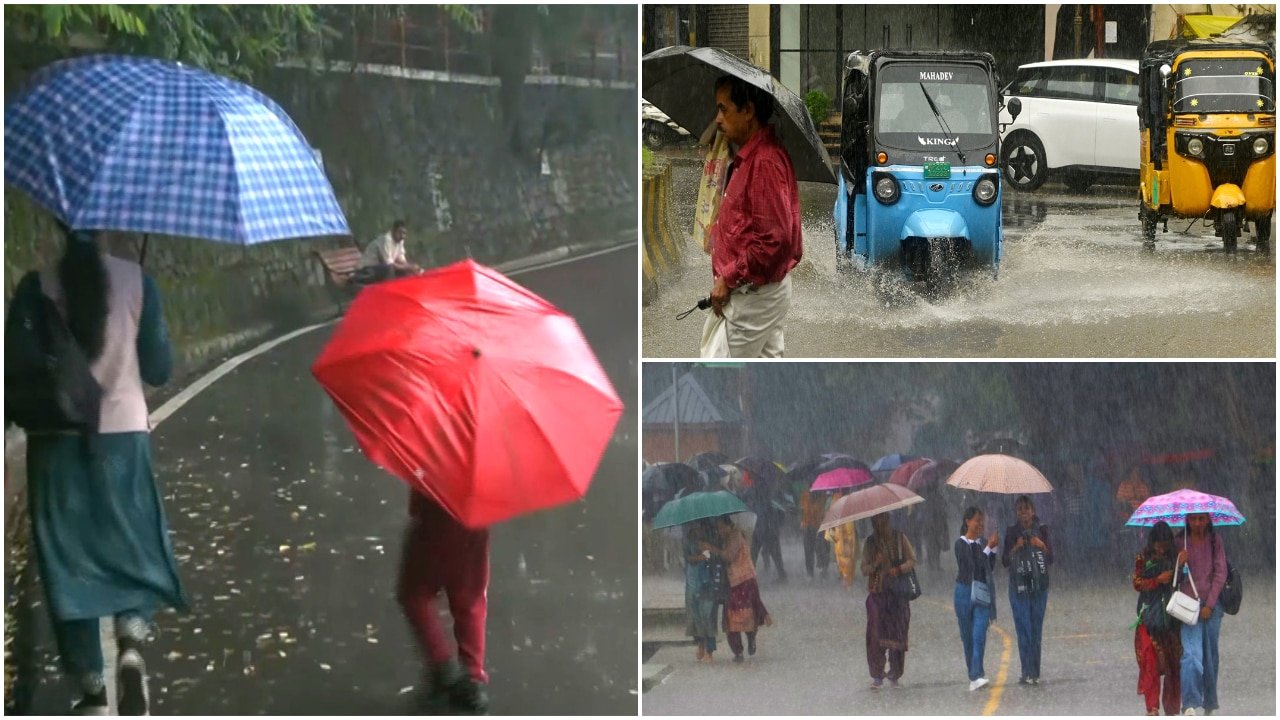
Widespread Weather Alert: Deep Depression to Trigger Intense Rainfall Across Key Agricultural Belts
The India Meteorological Department (IMD) has issued a high-alert warning for July 29, as a significant deep depression is projected to track inland from the eastern coast, bringing a period of intense and widespread precipitation across vast swathes of India. This meteorological system, currently building strength over the Bay of Bengal, is expected to influence weather patterns from the eastern corridors through the heart of the central plains and into the northern territories.
Meteorologists indicate that the movement of this system will result in heavy to very heavy rainfall across multiple states, including Maharashtra, Gujarat, Karnataka, Rajasthan, Madhya Pradesh, Chhattisgarh, and the National Capital Region of Delhi. The sheer reach of this weather event has prompted authorities to advise caution, particularly in regions where soil saturation levels are already high due to previous monsoon activity.
Regional Impact: Tracking the Path of the Deep Depression
The trajectory of the depression is set to impact different climatic zones with varying levels of intensity. Central India, specifically Madhya Pradesh and Chhattisgarh, remains the primary focus of concern. The IMD forecast highlights the potential for extremely heavy rainfall in isolated pockets within these states, which could lead to localized waterlogging and surface runoff issues in low-lying agricultural fields.
Moving toward the western and coastal regions, states such as Gujarat and Maharashtra are bracing for sustained rainfall. In Karnataka, the influence of the system, coupled with existing monsoon currents, is expected to maintain high precipitation levels, impacting both coastal belts and inland districts. Meanwhile, in the north, Delhi and Rajasthan are expected to experience a shift in weather, with the system driving widespread thunderstorms and showers. These northern regions, which have seen a variable monsoon season thus far, may see a significant increase in cumulative rainfall as the depression pushes further inland.
Beyond the terrestrial impact, the maritime sector is facing stringent restrictions. The IMD has issued a clear directive for the fishing community, warning against venturing into the northwest Bay of Bengal. The system is expected to generate rough sea conditions, characterized by high-velocity winds and significant wave heights, posing a substantial risk to small-scale fishing operations and coastal maritime logistics.
Agricultural Resilience and Proactive Management
For the agricultural sector, the arrival of such a large-scale weather system is a double-edged sword. While the rainfall is vital for replenishing reservoirs and supporting kharif crop development, the intensity and timing of this "deep depression" event necessitate immediate attention from the farming community to mitigate potential crop damage.
What This Means for Farmers
As the weather shifts on July 29, farmers across the affected states should prioritize the following actions to safeguard their investments and ensure the health of their crops:
- Drainage Management: Prioritize the clearing of field drainage channels. Ensuring that excess water can move away from crop roots quickly is essential to prevent waterlogging, which can lead to root rot and nutrient leaching, particularly in standing kharif crops like paddy and soy.
- Postponement of Chemical Applications: Avoid the application of fertilizers, pesticides, or herbicides in the 24 to 48 hours surrounding the heavy rain alerts. Precipitation will wash these inputs away, leading to financial loss and potential environmental runoff.
- Livestock and Infrastructure Protection: Ensure that livestock are moved to higher, sheltered ground. Check the structural integrity of temporary sheds and storage facilities to prevent damage from expected high-velocity winds and thunderstorms.
- Monitoring for Pest Outbreaks: High humidity and moisture levels following heavy rainfall often create the perfect environment for fungal diseases and pest proliferation. Once the rain subsides, conduct thorough field scouting to identify early signs of fungal infection or increased insect activity.
- Market Logistics: Be prepared for potential disruptions in the supply chain. Heavy rains can impact rural road connectivity and transport logistics. Farmers planning to move produce to market should monitor local weather updates closely and adjust their schedules to avoid peak storm periods.
By staying informed through official IMD bulletins and taking proactive measures to manage field drainage, the agricultural community can better withstand the volatility of this upcoming weather event and capitalize on the essential moisture provided by the monsoon season.