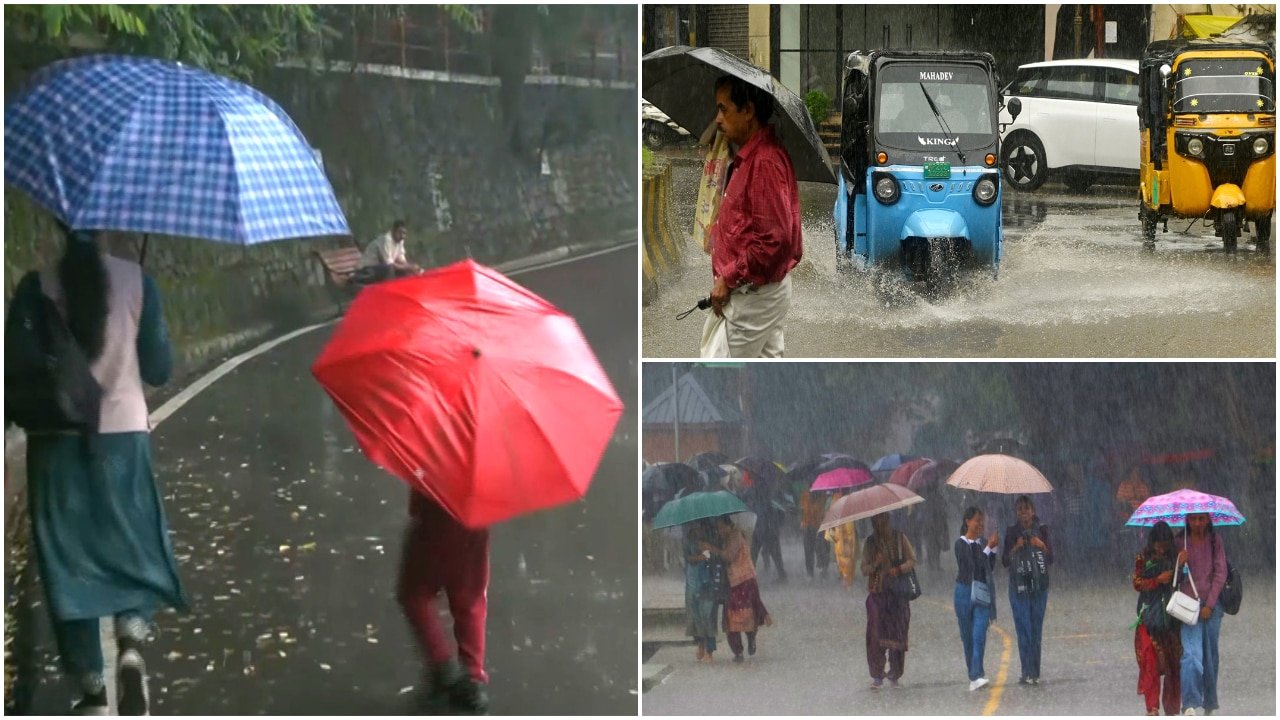
Monsoon Revival Forecast: Heavy Rainfall Expected Across Key Agricultural Belts
India’s southwest monsoon is poised for a significant resurgence, with meteorological models indicating a strengthening of atmospheric currents that are expected to bring much-needed precipitation to major agricultural regions. Following a period of relative sluggishness, the monsoon is showing clear signs of revival, with active weather systems converging to influence weather patterns across the central and northern states. As of July 18, the India Meteorological Department has issued alerts for heavy to extremely heavy rainfall, a development that is critical for the ongoing kharif sowing season.
The current weather outlook highlights a shift in the monsoon’s intensity. The convergence of moisture-laden winds from the Bay of Bengal is expected to drive substantial rainfall in the eastern and central corridors of the country. For farmers who have been navigating a period of erratic moisture availability, this shift signals a potential stabilization of soil moisture levels, which is vital for the vegetative growth phase of primary cereal and pulse crops.
Regional Weather Outlook: From Odisha to the National Capital
The immediate forecast for July 18 points to intense weather activity across several states. Odisha and Chhattisgarh are currently under a high-alert status, with meteorologists predicting isolated instances of extremely heavy rainfall. These regions, which serve as crucial hubs for paddy cultivation, rely heavily on the consistent arrival of monsoon showers to sustain irrigation requirements. The anticipated precipitation is expected to replenish reservoirs and ensure that water-intensive crops receive the hydration necessary to prevent heat stress and stunted development.
Moving northward, the weather dynamics shift toward thunderstorm activity. Delhi and the surrounding National Capital Region are braced for increased rainfall, which is expected to persist through the upcoming weekend. This pattern is mirrored in parts of northern Kerala, where localized downpours are anticipated. While these thunderstorms are often characterized by high intensity over short durations, they contribute significantly to the cumulative seasonal rainfall totals. The revival of these weather systems is a positive indicator for the broader monsoon performance, suggesting that the atmospheric circulation is realigning to favor widespread distribution rather than localized dry spells.
Path Toward Month-End: Sustaining the Monsoon Pulse
The broader outlook for the remainder of July suggests that the monsoon is entering a more robust phase. Multiple active weather systems are currently being tracked, which meteorologists believe will sustain the momentum of the monsoon through the end of the month. This revival is critical, as the mid-monsoon period is often a pivot point for the total seasonal yield. A consistent supply of rainfall during this window helps in bridging the gap for regions that may have experienced delayed sowing due to the initial slow onset of the rains in early June.
By strengthening across the central and northern plains, the monsoon is effectively counteracting the dry intervals that characterized the early weeks of July. Climate experts emphasize that the current strengthening of the monsoon trough is a standard, albeit vital, seasonal oscillation. If this trend holds, it will provide the necessary moisture buffer for the kharif crops, ensuring that the country remains on track to meet agricultural production targets for the current fiscal year.
What This Means for Farmers
The strengthening of the monsoon brings both opportunities and operational requirements for the farming community. For those in regions expecting heavy rainfall, the primary concern is water management. Farmers are advised to ensure that field drainage systems are clear to prevent waterlogging, particularly in low-lying areas where standing water can cause root rot in sensitive crops. Conversely, in regions that have recently experienced dry spells, this revival provides the ideal window for final sowing operations and the application of fertilizers, as the incoming moisture will facilitate nutrient uptake.
Economic stability for the agricultural sector hinges on this period of rainfall. Farmers should monitor local district-level weather updates closely, as heavy rainfall alerts may necessitate the temporary suspension of certain field activities, such as pesticide spraying, which can be rendered ineffective by heavy downpours. Additionally, this is an opportune time to focus on rainwater harvesting and on-farm storage solutions. By capturing the excess runoff from these intense rainfall events, farmers can build a vital contingency reserve to mitigate the impact of potential dry patches later in the season. Staying informed through official agricultural extension services will be key to optimizing crop management strategies as the monsoon progresses through the end of July.