Monsoon Divergence: Heavy Deluge Forecast for East and North as Southern Heat Persists
As the monsoon season reaches a critical mid-July juncture, the India Meteorological Department (IMD) has issued a series of urgent weather alerts for July 15. The country is currently experiencing a stark climatic divide, with significant moisture surges fueling heavy precipitation across the eastern and northeastern corridors, while parts of the southern peninsula remain trapped under intense, dry heat. Farmers and residents across these diverse agro-climatic zones are being urged to exercise caution as weather patterns shift rapidly.
Heavy Rainfall Expected Across Eastern and Northeastern States
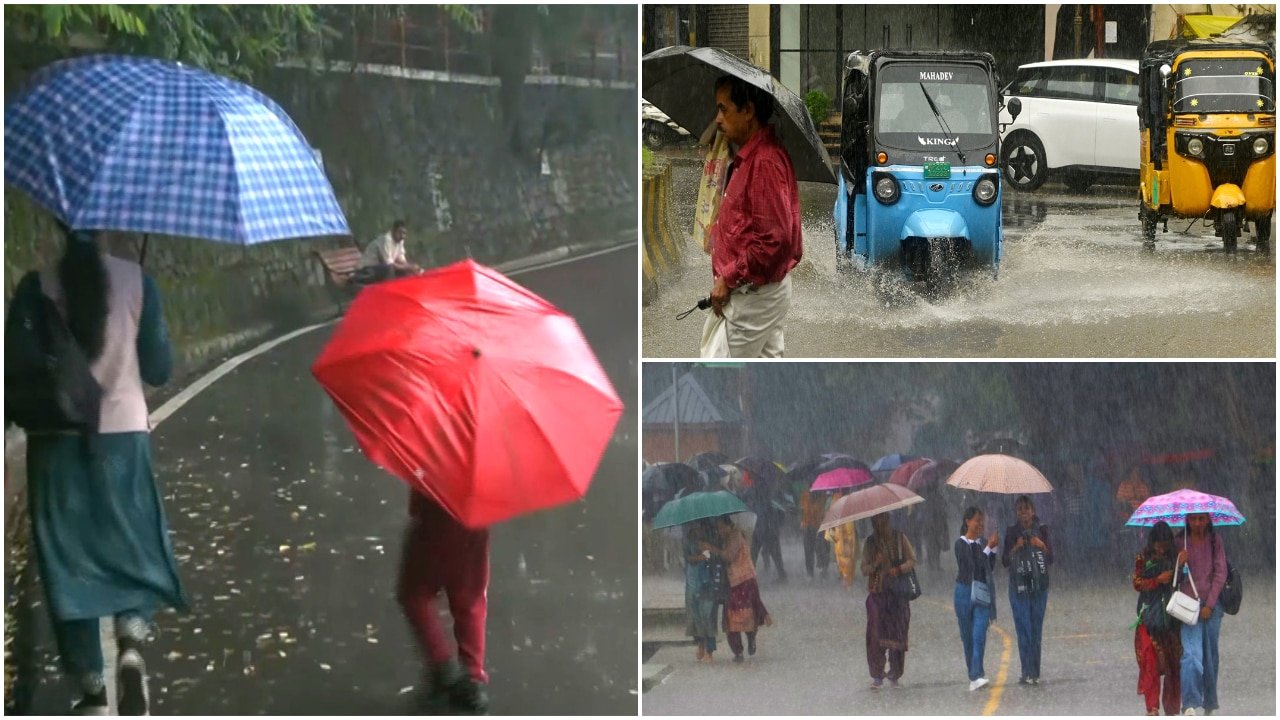
The monsoon trough remains highly active, concentrating its energy over the eastern and northeastern reaches of the country. According to the latest IMD bulletins, Odisha, Bihar, Jharkhand, and West Bengal are bracing for heavy to extremely heavy rainfall throughout July 15. The moisture-laden winds from the Bay of Bengal are expected to dump significant precipitation, raising concerns regarding localized flooding and waterlogging in low-lying agricultural fields.
In the northeastern region, Assam and Meghalaya remain under high alert. These areas are particularly susceptible to flash floods and landslides during periods of sustained, torrential rain. The sheer volume of water expected in these states is likely to impact soil saturation levels, potentially affecting standing crops and disrupting transport infrastructure vital for the movement of agricultural produce to local markets.
Northern Plains Anticipate Relief via Thunderstorms
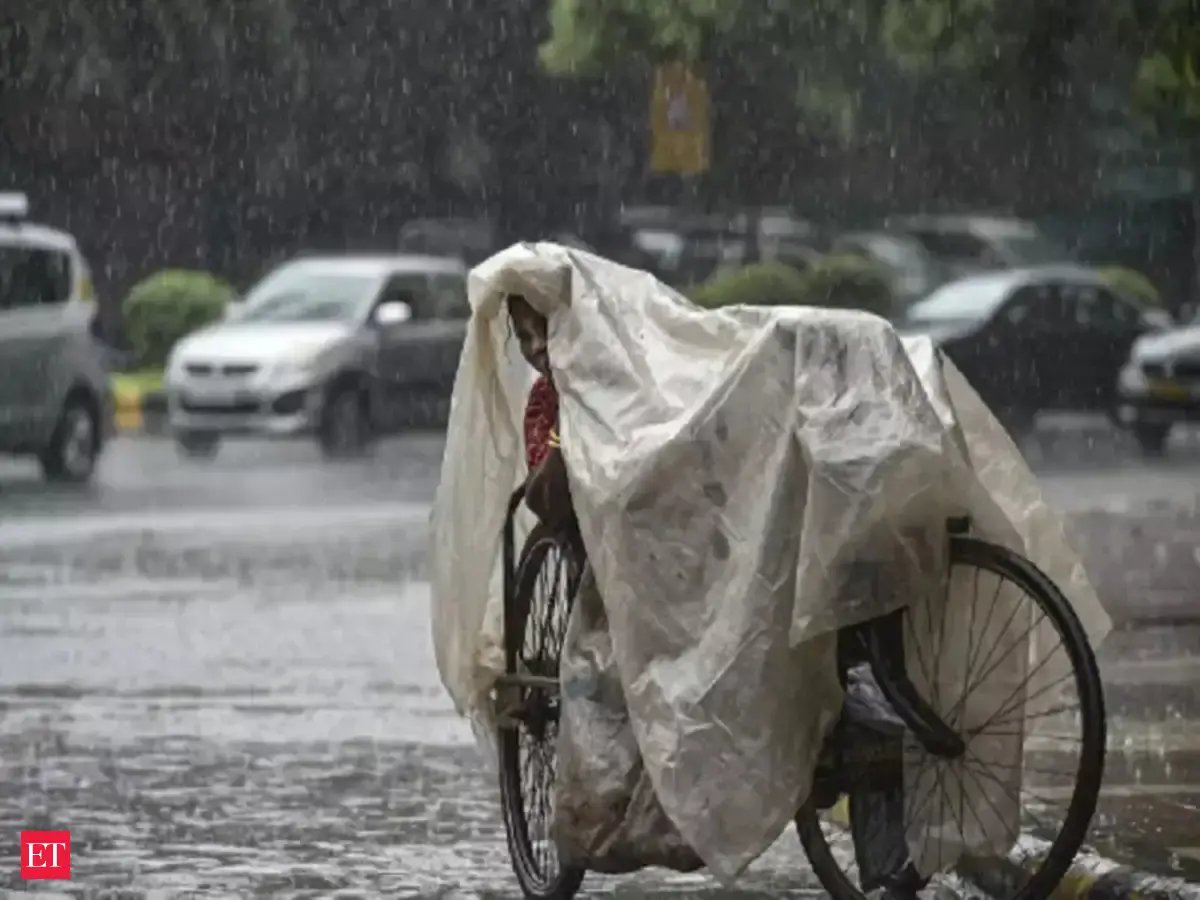
While the eastern regions face the brunt of the heavy rainfall, the northern plains—including Delhi, Uttar Pradesh, Punjab, and Haryana—are expected to receive much-needed relief from the oppressive summer conditions. The IMD predicts scattered to widespread rainfall accompanied by thunderstorms across these states on July 15.
For the agricultural heartlands of Punjab and Haryana, this precipitation is viewed as a mixed blessing. While the rain helps in maintaining soil moisture levels for the ongoing Kharif sowing season, the threat of strong gusty winds accompanying thunderstorms poses a risk of lodging for younger crops. Meteorological experts are advising farmers in these regions to ensure proper drainage in fields to prevent water stagnation, which can lead to fungal diseases and root rot in sensitive cultivars.
Southern Peninsular States Face Heat Stress
In direct contrast to the wet conditions prevailing elsewhere, large swaths of southern India—specifically Tamil Nadu and Telangana—are experiencing a continuation of hot and humid weather. The monsoon current has shown signs of weakness in these regions, leading to elevated daytime temperatures and high humidity levels that create significant discomfort and stress for both livestock and field workers.
The lack of significant rainfall in these states highlights the erratic nature of the monsoon, which often skips over certain inland regions even while it remains vigorous elsewhere. The persistent heat is a primary concern for water management, as evaporation rates from irrigation reservoirs and surface water bodies remain high, further straining the water resources available for paddy cultivation and other water-intensive crops.
What This Means for Farmers
For the agricultural community, the varied weather forecast for July 15 necessitates a strategic and cautious approach to field management:
- Water Management in Flood-Prone Areas: In regions expecting heavy rainfall (Odisha, Bihar, Assam, and West Bengal), it is critical to clear field drainage channels immediately. Preventing waterlogging is the most effective way to protect crop health and prevent soil erosion.
- Post-Storm Assessment in Northern States: Farmers in Punjab, Haryana, and Uttar Pradesh should inspect their crops following predicted thunderstorms. If heavy winds occur, check for leaning or damaged stalks and consider applying preventive fungicides if the weather remains humid and overcast, as these conditions are ideal for disease outbreaks.
- Heat Mitigation in the South: In Tamil Nadu and Telangana, the priority must be efficient water usage. Farmers should practice mulching to preserve soil moisture and consider scheduling irrigation during the cooler early morning or late evening hours to minimize evaporation losses.
- Stay Informed: Weather patterns during the monsoon can shift with little warning. Farmers are strongly encouraged to monitor daily updates from the IMD and local agricultural extension offices. Utilizing official mobile apps and SMS alerts can provide the lead time necessary to protect assets, livestock, and harvests from sudden weather extremes.