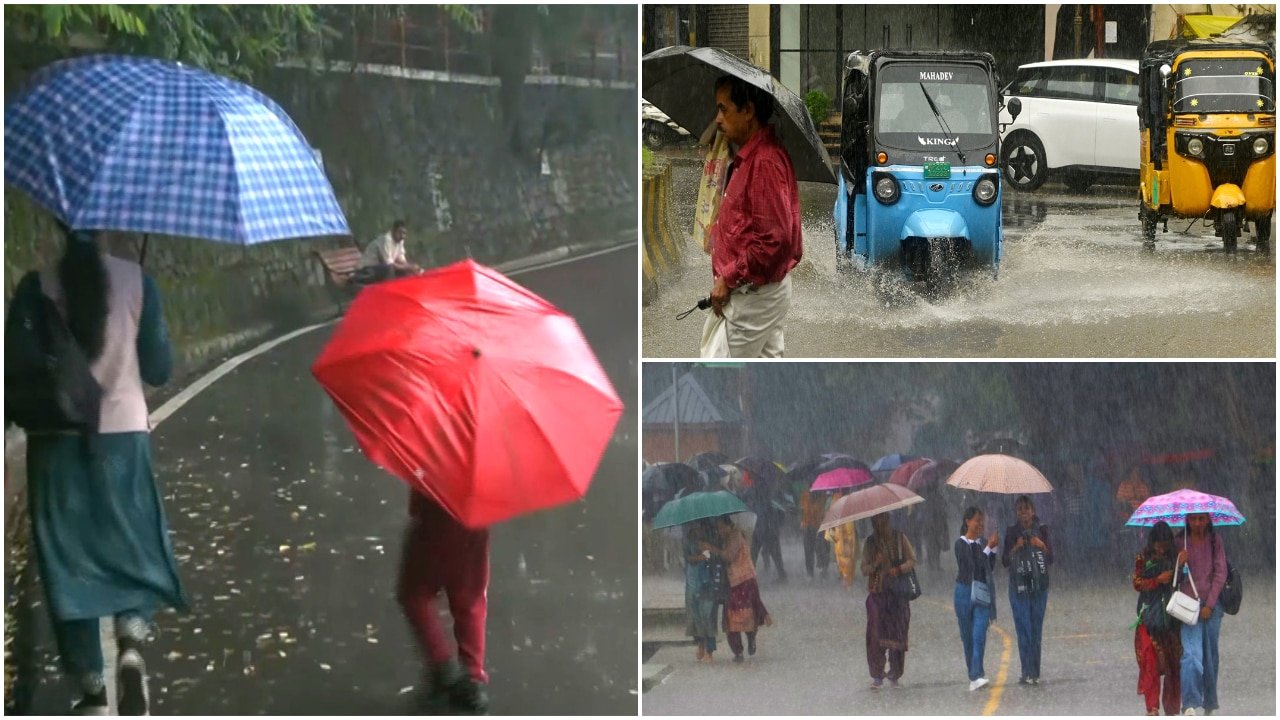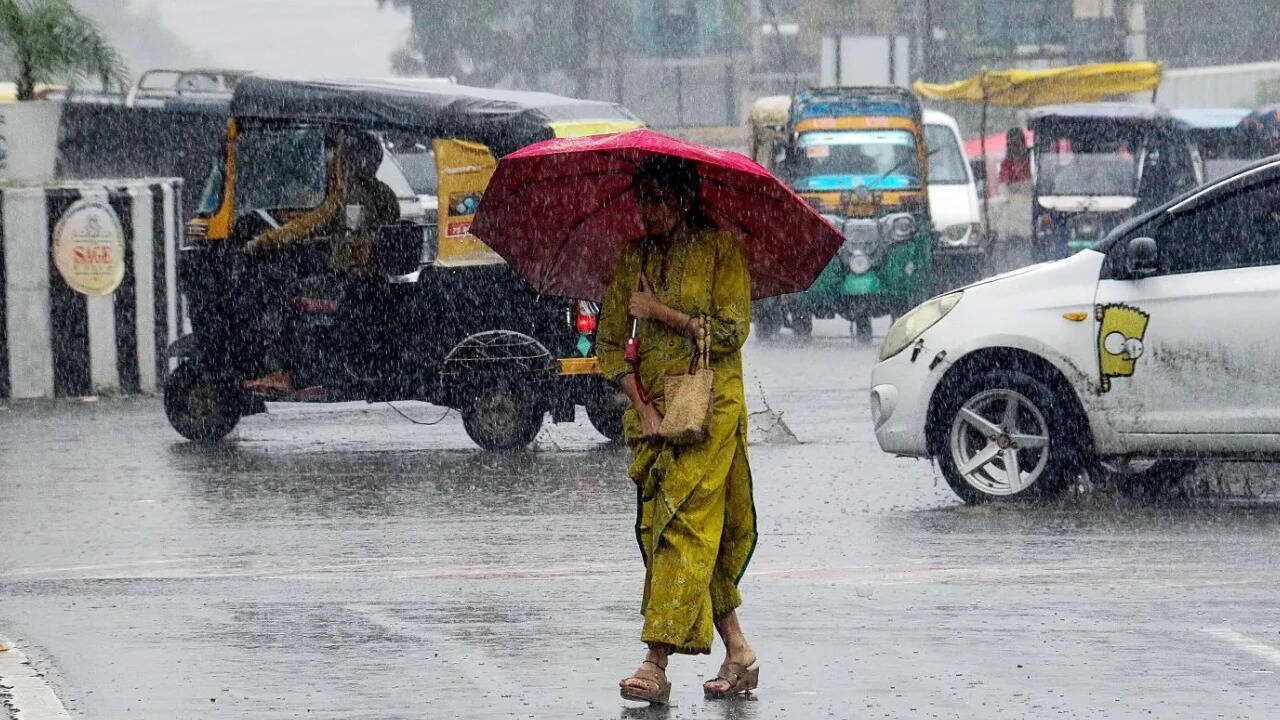
Widespread Monsoon Surge Triggers High-Alert Status Across Multiple Indian States
The India Meteorological Department (IMD) has issued a comprehensive weather advisory for August 14, warning of an intensified monsoon spell set to sweep across vast stretches of the country. As the monsoon trough shifts and strengthens, meteorologists are tracking a series of low-pressure systems that are expected to trigger heavy to very heavy rainfall across northern, central, eastern, and western India. The forecast suggests that the active phase of the monsoon will bring not only significant precipitation but also an increased risk of thunderstorms and lightning strikes, prompting state authorities to escalate preparedness measures.
The meteorological outlook indicates that the convergence of moisture-laden winds from the Arabian Sea and the Bay of Bengal is fueling this widespread weather event. With the monsoon being in a highly active phase, many regions that have already experienced significant rainfall this season are expected to see further accumulation, raising concerns regarding waterlogging, soil saturation, and the potential for localized flash flooding in low-lying areas.
Regional Distribution and Alert Classifications
The weather system is notably broad, with specific focus areas highlighted by meteorological experts. In the southern peninsula, Kerala remains under a yellow alert, reflecting the persistence of monsoon currents that have brought steady rain to the coastal and highland regions. The state’s unique topography makes it particularly susceptible to heavy downpours, and officials are monitoring river levels and potential landslide-prone zones as the precipitation intensifies.
Simultaneously, the western state of Rajasthan, which typically experiences varying levels of monsoon intensity, is also under a yellow alert. The arrival of substantial moisture in the arid and semi-arid regions of the state is being closely monitored. While this rain is vital for replenishment of groundwater and reservoir levels, the sudden intensity poses challenges for infrastructure and regional drainage systems. Beyond these two states, the IMD has signaled that the belt stretching from the northern plains through the central highlands and into the eastern provinces will experience active monsoon conditions, characterized by persistent cloud cover and intermittent heavy rainfall spells throughout the day.
Managing Agricultural Risks During Peak Monsoon
The anticipated thunderstorms and lightning are a critical component of the IMD’s advisory. These phenomena, often associated with the convective activity of the monsoon, pose direct risks to rural populations and livestock. The combination of strong gusty winds and intense rainfall can lead to the lodging of standing crops, particularly in regions where paddy and other kharif staples are in the critical vegetative or reproductive growth stages. Farmers are being advised to ensure that field drainage channels are clear to prevent water stagnation, which can lead to root rot and nutrient leaching in saturated soils.
What This Means for Farmers
For the agricultural community, this forecast serves as a crucial signal to adjust field management strategies in the immediate term. The primary concern during such intense rainfall events is the preservation of crop health and the mitigation of post-harvest loss for early-harvested commodities.
- Drainage Management: Farmers should prioritize the clearing of all drainage furrows and field outlets to ensure excess water is rapidly diverted away from crop rows. Stagnant water for more than 24 to 48 hours can significantly reduce oxygen availability to the roots, hampering crop vigor.
- Fertilizer Application: It is strongly advised to postpone any top-dressing of fertilizers until the heavy rain subsides. Applying nutrients immediately before or during a heavy deluge leads to significant nitrogen leaching, rendering the investment ineffective and potentially causing environmental runoff.
- Livestock Safety: Ensure that livestock are sheltered in sturdy, elevated structures away from low-lying areas that are prone to flash flooding. Lightning safety protocols should be strictly observed, keeping animals away from isolated tall trees or metal fencing during thunderstorms.
- Pest and Disease Monitoring: High humidity and persistent rain create the ideal environment for fungal and bacterial pathogens. Once the weather clears, farmers should scout fields for early signs of blight, fungal leaf spots, or stem rot, and prepare to consult local agricultural extension officers for appropriate protective measures.
- Infrastructure Protection: Secure any loose farm equipment, temporary structures, or harvested produce that may be exposed to high winds. Ensuring that power supply lines to irrigation pumps are properly insulated and disconnected during lightning storms will help prevent electrical damage.
While the monsoon is essential for the nation’s food security, the erratic nature of these heavy rainfall events requires a proactive approach. By staying informed through IMD updates and taking preemptive steps to protect soil integrity and crop health, farmers can better navigate this period of heightened climatic activity.