Monsoon Intensifies: IMD Issues Orange Alert for Kerala as Heavy Rains Sweep Across India
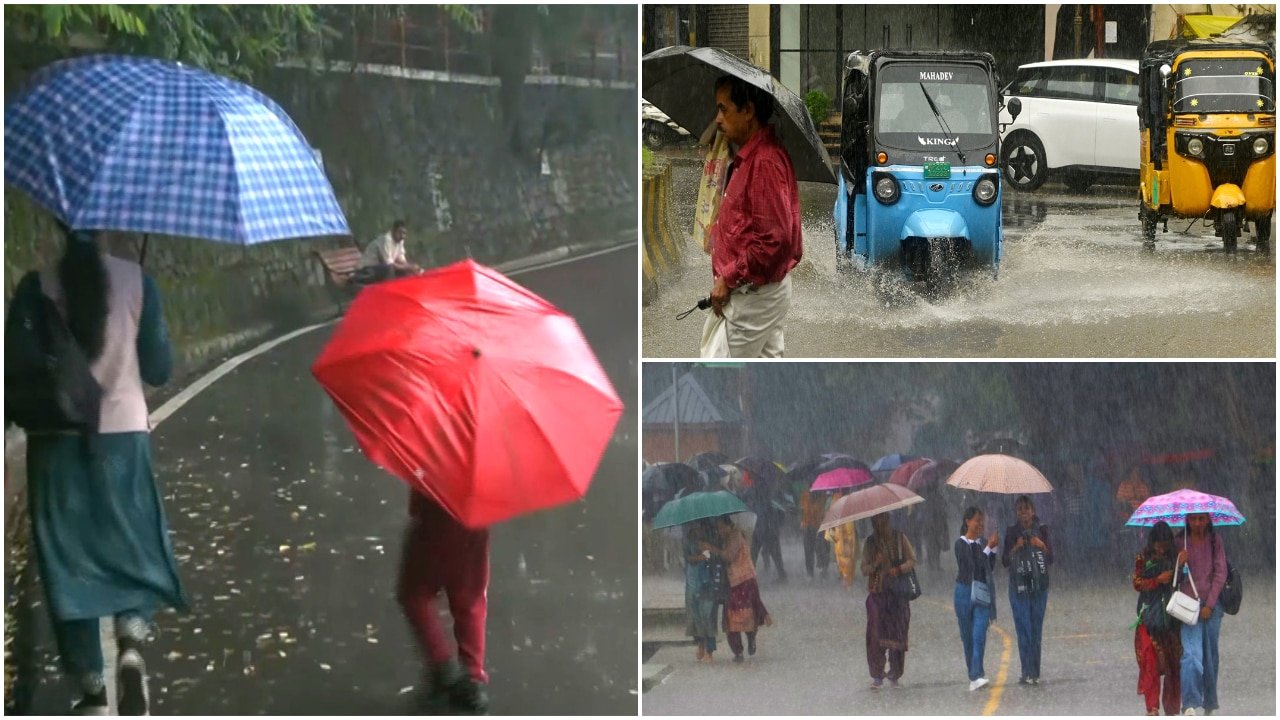
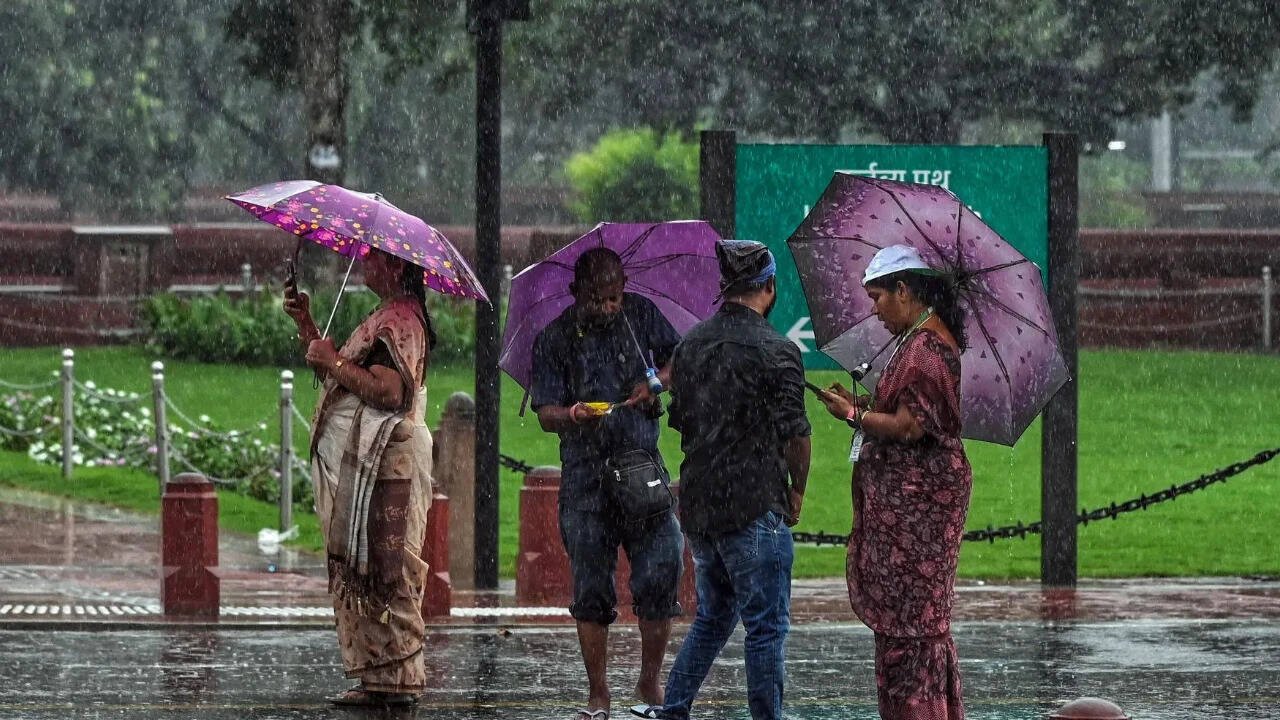
The India Meteorological Department (IMD) has issued a heightened weather warning for Sunday, August 9, as a vigorous monsoon spell begins to impact wide swathes of the country. With the monsoon trough remaining active, the national weather agency has flagged several states for extreme weather events, ranging from persistent heavy rainfall to localized thunderstorms. Among the most significant developments is the issuance of an orange alert for seven districts in Kerala, signaling the potential for disruption and the need for heightened emergency preparedness in the region.
The current meteorological data suggests that the monsoon is entering a particularly active phase, characterized by moisture-laden winds converging over the peninsula and the northern plains. While the agricultural sector generally welcomes consistent rainfall, the intensity of this current spell raises concerns regarding localized flooding, soil erosion, and the management of standing crops. The IMD has indicated that this pattern of widespread precipitation is expected to persist across northwest India and several other key agricultural belts through August 13, complicating field operations for millions of farmers.
Regional Impact and Meteorological Forecast
The situation in Kerala remains a primary focus for disaster management authorities. An orange alert indicates a high probability of "very heavy rainfall," typically defined by the IMD as precipitation ranging from 115.6 mm to 204.4 mm within a 24-hour period. In regions already saturated by previous monsoon showers, such an influx of water poses a severe risk of landslides in hilly tracts and waterlogging in low-lying coastal areas. District administrations in the affected zones have been advised to mobilize response teams to mitigate potential infrastructure damage.
Beyond the southern peninsula, the weather system is exerting a broad influence. The IMD’s forecast highlights a combination of atmospheric instability and moisture incursion that is expected to trigger thunderstorms, accompanied by lightning and gusty winds, across multiple states. These convective activities are particularly dangerous for rural areas, where open fields and lack of lightning protection infrastructure increase the vulnerability of both human life and livestock. Meteorologists are closely monitoring the movement of the monsoon trough, which is currently positioned in a manner that facilitates sustained rainfall over northwest India, a region critical for late-kharif crop development.
Agronomic Implications of Persistent Rainfall
While the monsoon is the lifeblood of Indian agriculture, the timing and intensity of rainfall are critical variables. The current forecast of sustained, heavy rains across northwest India through August 13 presents a mixed outlook for the agricultural landscape. In areas where crops are in the vegetative growth stage, adequate moisture is beneficial; however, excessive water can lead to root rot, nutrient leaching, and the proliferation of fungal pathogens.
Furthermore, the combination of gusty winds and heavy precipitation increases the risk of "lodging"—the permanent displacement of crop stems from their vertical position—particularly in paddy and tall-growing cereal crops. Farmers are advised to monitor their fields for signs of water stagnation, as drainage becomes the primary management priority during such extreme weather events. The expected thunderstorm activity also necessitates caution regarding the application of fertilizers and pesticides, as heavy downpours can wash away chemical inputs, resulting in both economic waste and environmental runoff.
What This Means for Farmers
The current weather alerts necessitate an immediate shift in farm management strategies. To safeguard yields and minimize losses during this period of intense monsoon activity, farmers are advised to consider the following:
- Prioritize Field Drainage: Ensure that drainage channels are cleared of debris. In waterlogged fields, stagnant water must be drained as quickly as possible to prevent root damage and the onset of soil-borne diseases.
- Postpone Chemical Applications: Avoid the application of fertilizers or pesticides during the orange alert window. Rainfall immediately following application will render these inputs ineffective and contribute to nutrient loss.
- Monitor for Pest and Disease Outbreaks: High humidity and persistent rain create ideal conditions for various fungal infections, such as blast in paddy. Scouting fields for early signs of disease is essential for timely intervention once the weather clears.
- Protect Livestock and Assets: Ensure that livestock are sheltered in sturdy structures. Secure farm machinery and high-value produce in dry, elevated storage areas to prevent flood-related damage.
- Stay Informed: Continue to monitor local IMD bulletins and district-level weather updates. Weather conditions can change rapidly; maintaining communication with local agricultural extension officers can provide region-specific guidance on crop protection measures.
By taking proactive steps to manage soil moisture and protect infrastructure, the agricultural community can better withstand this period of volatile weather, ensuring that the monsoon remains a source of prosperity rather than a cause for significant crop loss.