IMD Issues High-Alert Warning for Widespread Heavy Rainfall Across Key Agricultural Belts
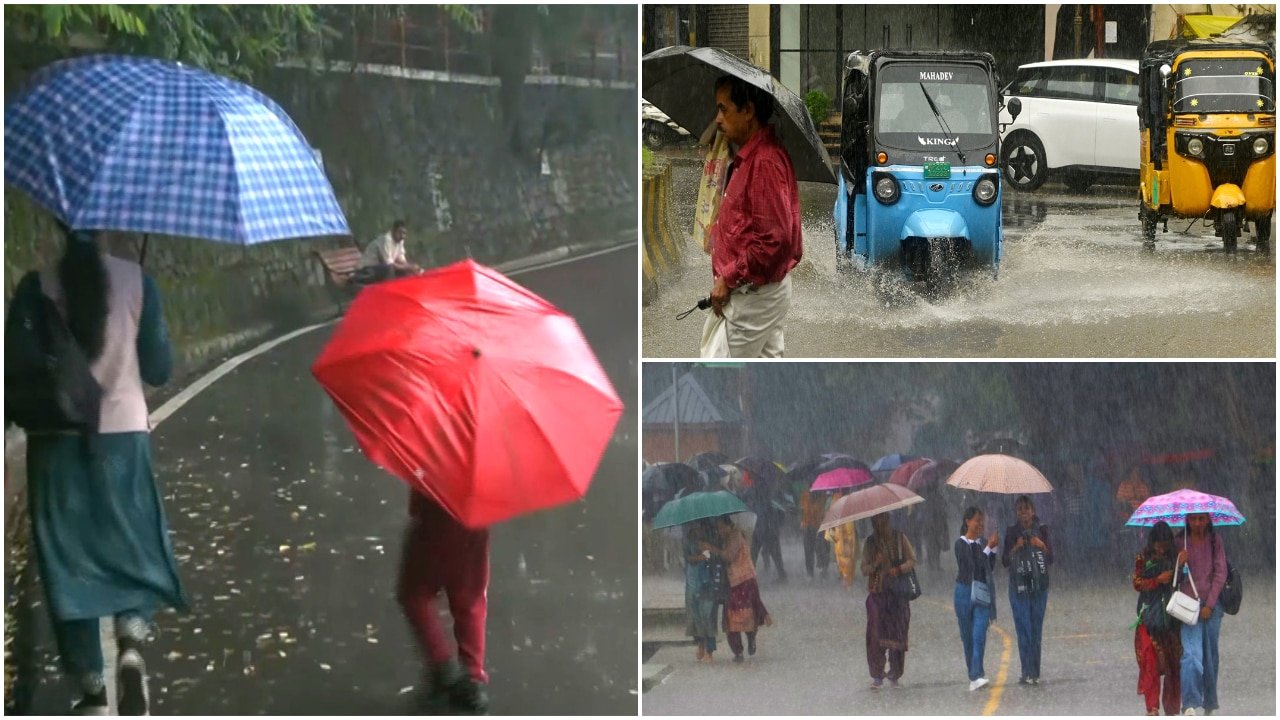
The India Meteorological Department (IMD) has issued a comprehensive weather alert for mid-August, forecasting significant rainfall activity across a vast swathe of the Indian subcontinent. As the monsoon season continues its active phase, the meteorological agency has placed several northern, central, and eastern states on high alert for "very heavy" rainfall events. This weather pattern, characterized by increased moisture incursion and strong cyclonic circulations, is expected to impact daily life, urban infrastructure, and critical agricultural operations across the affected regions.
The forecast highlights a broad geographic distribution of precipitation, with Delhi-NCR, Haryana, and Punjab bracing for intense spells. Simultaneously, eastern states including Bihar, Jharkhand, and Odisha are under observation for potential flash floods and waterlogging. In the west, Maharashtra and Gujarat are expected to experience isolated heavy downpours, which could exacerbate the risks associated with saturated soil conditions. Authorities have advised residents in susceptible regions to remain vigilant and avoid low-lying areas as the weather system progresses.
Meteorological Drivers and Regional Impact
The current weather volatility is attributed to the positioning of the monsoon trough, which is currently oscillating near its normal position, coupled with the influx of moisture from both the Arabian Sea and the Bay of Bengal. For the northern plains, including Delhi, Haryana, and Punjab, the IMD predicts sustained, heavy rainfall that is likely to test the capacity of drainage systems and rural irrigation infrastructure.
In the eastern corridor, states like Bihar and Jharkhand, which are currently in the midst of crucial Kharif crop development, are facing a double-edged sword. While rainfall is essential for water-intensive crops like paddy, excessive precipitation in a short window can lead to soil erosion, nutrient leaching, and the risk of standing water damaging root systems. Odisha is also on alert, with coastal districts potentially experiencing high wind speeds alongside heavy rainfall, necessitating precautions against localized flooding.
Meanwhile, in Maharashtra and Gujarat, the challenge lies in the intensity of isolated events. Even where total rainfall may seem moderate on a regional scale, localized "very heavy" downpours can cause sudden spikes in river levels and trigger landslides in hilly terrain. These rapid environmental changes require constant monitoring by local disaster management authorities to ensure public safety and the protection of rural assets.
Infrastructure and Public Safety Concerns
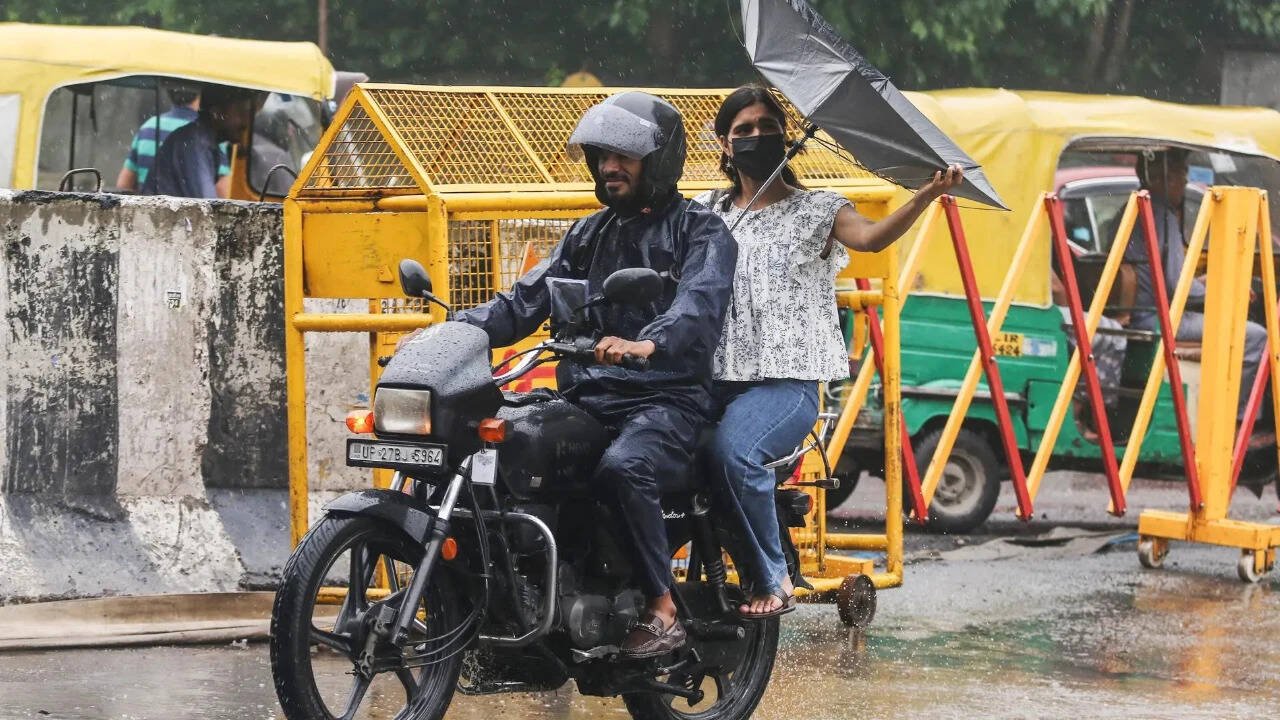
Beyond the immediate agricultural implications, the IMD’s alert serves as a warning for infrastructure stability. Heavy rainfall in urban centers like Delhi-NCR often leads to significant traffic disruptions, waterlogging in underpasses, and potential power outages. In rural settings, the primary concerns are the structural integrity of village roads and the management of small-scale water bodies and irrigation tanks.
The IMD has emphasized that "very heavy" rainfall categories—typically defined by high millimeter thresholds within a 24-hour period—carry an inherent risk of flash flooding. Residents and farmers are urged to stay updated through official channels and avoid venturing into areas known for poor drainage or proximity to overflowing water channels. The meteorological department continues to track the movement of these weather systems, with updates provided on a rolling basis to help districts prepare for potential emergencies.
What This Means for Farmers
For the agricultural community, this forecast necessitates immediate and proactive field management. The primary concern during periods of heavy rainfall is the prevention of water stagnation, which can lead to hypoxia in crop roots and increase the prevalence of fungal pathogens. Farmers are advised to ensure that field drainage channels are clear of debris to allow for the rapid runoff of excess water.
In regions where crops are in the vegetative growth stage, excessive rainfall can wash away topsoil and essential fertilizers. Farmers should consider delaying any scheduled applications of nitrogenous fertilizers until the heavy rainfall subsides to prevent nutrient runoff and economic loss. Furthermore, for those involved in horticulture or vegetable cultivation, immediate measures should be taken to support plants that may be susceptible to lodging due to strong winds and saturated soil.
Livestock safety is equally critical; farmers should ensure that animals are moved to elevated, dry shelters and that feed stocks are stored in moisture-proof conditions to prevent spoilage. Finally, this period of high weather uncertainty is a timely reminder to review agricultural insurance documentation and maintain close communication with local Krishi Vigyan Kendras (KVKs) for location-specific agronomic advice. By prioritizing drainage, protecting inputs, and securing livestock, farmers can significantly mitigate the negative impacts of these intense monsoon spells.