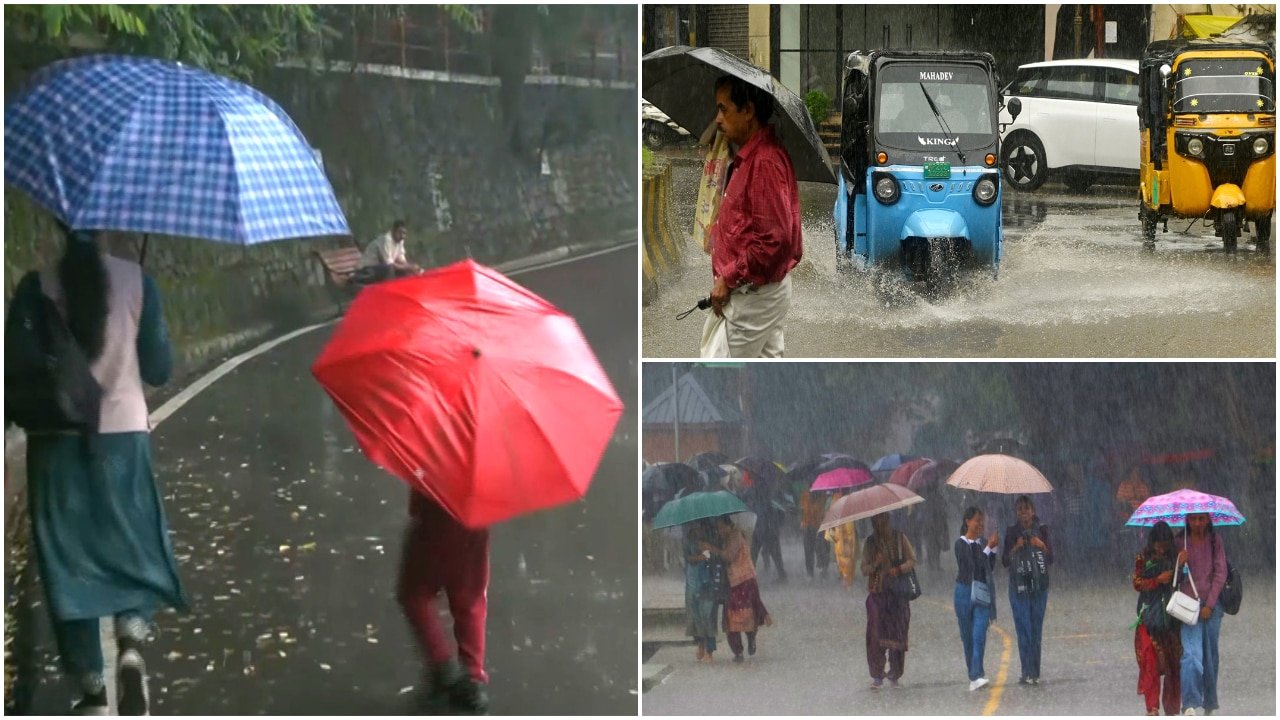
Widespread Rainfall Forecast: Meteorological Department Alerts Regions Across India
A significant weather shift is set to impact large swaths of the country this Thursday, as meteorological models predict heavy to very heavy rainfall across multiple states. The incoming weather system is expected to deliver a mix of intense downpours and atmospheric instability, with thunderstorms anticipated in southern and eastern coastal regions. As the monsoon-related activity intensifies, agricultural planners and local authorities are bracing for potential disruptions to field operations and infrastructure.
The forecast suggests that the deluge will be particularly pronounced across the northwest, central, eastern, and western belts of India. In the national capital region, Delhi-NCR, residents and agricultural observers are preparing for a sustained period of rainfall, with meteorologists warning that current showers are likely to gain intensity throughout the day. Meanwhile, northern states, most notably Uttar Pradesh and Himachal Pradesh, are projected to experience a marked increase in precipitation, raising concerns regarding soil saturation levels and potential runoff in hilly terrains.
Regional Breakdown: From Northern Deluges to Southern Thunderstorms
The meteorological outlook presents a complex picture of varying weather phenomena. In the northern belt, the heavy rainfall in Himachal Pradesh and Uttar Pradesh is largely attributed to active moisture-laden winds interacting with local topography. For farmers in these regions, the persistent rain poses a dual challenge: the necessity of replenishing water reserves against the risk of localized flooding and nutrient leaching in standing crops.
Simultaneously, the southern and eastern corridors, specifically Tamil Nadu, Karnataka, and Odisha, are expected to contend with significant thunderstorm activity. These localized but intense events are often accompanied by gusty winds and lightning, which can cause sudden damage to horticultural crops and infrastructure. The convective nature of these storms means that precipitation will be unevenly distributed, requiring localized vigilance from village-level agricultural extension offices.
Beyond the agricultural heartlands, maritime safety has become a priority. Authorities have issued stern warnings to the fishing community, advising them to steer clear of specific sea zones where the combination of high winds and choppy waters could create hazardous conditions. The maritime advisory underscores the severity of the low-pressure systems currently influencing the coastal weather patterns.
What This Means for Farmers
For the farming community, this forecasted weather event requires a shift from routine field management to a defensive, risk-mitigation posture. The following considerations are paramount for the next 48 to 72 hours:
- Drainage Management: In areas expecting heavy rain, particularly in low-lying fields, ensure that drainage channels are cleared of debris. Preventing waterlogging is critical to protecting root systems from hypoxia and fungal diseases that thrive in saturated, warm soil.
- Postponement of Chemical Applications: Avoid the application of fertilizers, pesticides, or herbicides ahead of the predicted downpours. Rainfall intensity can lead to significant runoff, rendering these inputs ineffective and contributing to environmental pollution in local water bodies.
- Livestock Safety: Ensure that livestock are moved to well-ventilated, dry, and secure shelters. Thunderstorms can cause distress to animals, and heavy rains often bring a spike in moisture-related hoof and skin issues.
- Harvesting and Storage: For farmers currently in the harvesting phase, it is advisable to pause field operations if the crop is not yet fully dry. If produce has already been harvested, prioritize moving it to covered storage facilities to protect it from moisture-related mold and spoilage.
- Monitoring Local Advisories: Weather conditions can shift rapidly. Farmers should remain connected to district-level agro-meteorological updates and local disaster management alerts, which provide the most granular data for specific talukas or blocks.
While rainfall is essential for crop development, the timing and intensity of this current system present a challenge. By prioritizing field drainage and delaying non-essential field operations, producers can mitigate the risks associated with this period of volatile weather and ensure that their crops are well-positioned to recover once conditions stabilize.