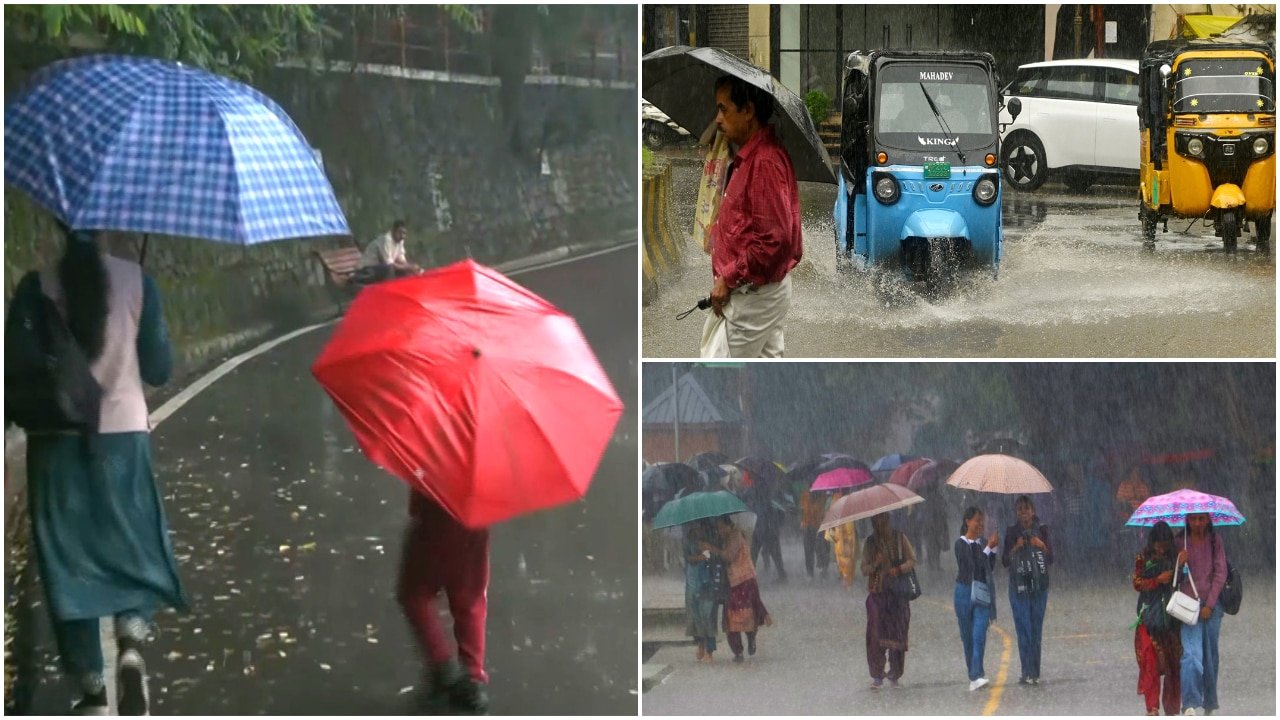
Monsoon Intensifies: Widespread Heavy Rainfall Forecast Across India for August 14
The India Meteorological Department (IMD) has issued a comprehensive weather advisory for August 14, 2026, signaling a significant intensification of monsoon activity across the subcontinent. As the seasonal moisture surge continues to track across the country, several states are bracing for heavy to very heavy rainfall, raising concerns regarding localized flooding, agricultural disruption, and infrastructure stability. From the northern plains to the southern peninsular regions, the atmosphere is primed for turbulent weather, characterized by widespread thunderstorms and high-velocity winds.
This surge in activity is attributed to a combination of active offshore troughs and cyclonic circulations that are funneling moisture-rich air into the interior regions. While the monsoon is critical for the nation's agrarian economy, the intensity of this particular spell requires heightened vigilance from both urban centers and the farming community to mitigate potential damage to standing crops and livestock.
Regional Impact and Meteorological Outlook
The forecast indicates a broad distribution of severe weather, affecting diverse geographical zones simultaneously. In the northern and western territories, including Delhi, Uttar Pradesh, and Jammu & Kashmir, the IMD has warned of persistent thunderstorms and heavy precipitation. For the farming sectors in these regions, this may result in waterlogging in low-lying fields, necessitating immediate drainage interventions to prevent root rot and soil erosion.
Simultaneously, the states of Gujarat, Maharashtra, Karnataka, and West Bengal are expected to bear the brunt of the heavy rainfall. These regions are currently seeing favorable monsoon progression, yet the intensity of this forecast suggests that the precipitation levels may exceed seasonal averages for this specific window. Coastal communities in these states must remain particularly alert; the combination of heavy rainfall and strong winds is expected to create turbulent sea conditions. Authorities have advised the fishing community to avoid deep-sea operations, citing the risk posed by high swells and gusty winds that could jeopardize vessel safety.
Operational Challenges and Safety Protocols
The meteorological department’s warning underscores the need for proactive disaster management. In areas prone to flash flooding, local authorities are coordinating to ensure that drainage systems are clear and that emergency response teams are on standby. The intensity of the forecasted storms is expected to reduce visibility and potentially disrupt transport networks, which could impact the logistics of agricultural supply chains, particularly the movement of perishable goods from rural hubs to urban markets.
For the general public and those residing in the affected corridors, the IMD suggests staying tuned to local weather broadcasts and avoiding unnecessary travel during peak rainfall hours. The presence of thunderstorms across the northern and western belts also highlights the risk of lightning strikes, a common hazard during this phase of the monsoon that poses a significant threat to both humans and livestock in open fields.
What This Means for Farmers
For the agricultural community, an active monsoon phase brings both relief and risk. While the rainfall is vital for recharging groundwater levels and supporting the Kharif crop cycle, the concentration of heavy precipitation within a 24-hour window can be detrimental.
- Field Drainage Management: Farmers in low-lying areas should prioritize the creation of drainage channels to prevent water stagnation. Excessive water in the root zone for prolonged periods can lead to nutrient leaching and oxygen deprivation for crops, significantly reducing yield potential.
- Crop Protection: High-velocity winds associated with these storms can cause lodging—the permanent displacement of stems from the vertical position—in tall crops. Where possible, ensuring that crops are adequately supported or windbreaks are maintained can help mitigate physical damage.
- Livestock Safety: Ensure that livestock are relocated to covered, secure structures ahead of the storm. The combination of heavy rain and strong winds can cause stress to animals and increase the risk of respiratory infections or physical injury from falling debris.
- Input Application: Avoid the application of fertilizers or pesticides during the forecasted period of heavy rain. Precipitation will likely wash away these inputs before they can be absorbed by the plants, leading to both economic waste and potential environmental runoff.
- Market Logistics: Expect potential delays in farm-to-market transport. Farmers should consider harvesting early if crops are at maturity or ensuring that harvested produce is stored in dry, moisture-proof facilities to prevent post-harvest losses.
By staying informed and taking preventive measures, the agricultural sector can better navigate this period of heightened monsoon activity and protect their investment against the unpredictability of the weather.