Widespread Rainfall Alert: IMD Issues Warnings for Multiple Indian States
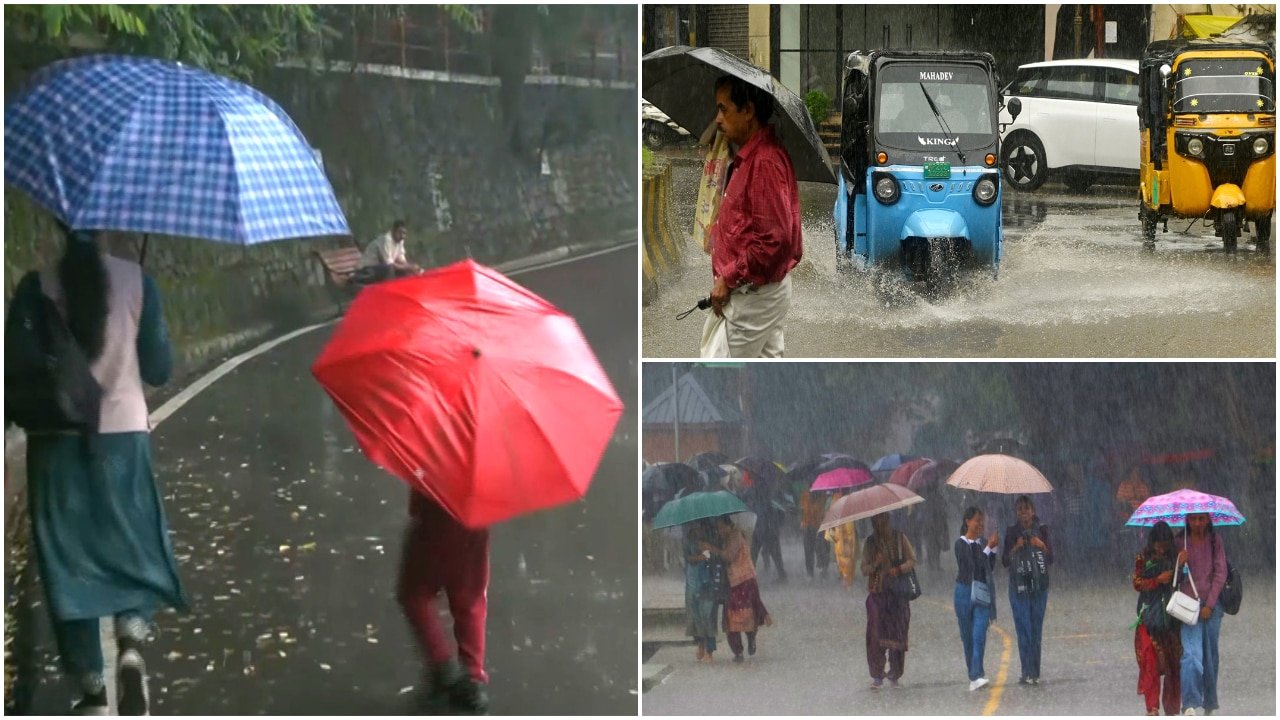
The India Meteorological Department (IMD) has issued a comprehensive weather warning for August 13, signaling a period of heightened atmospheric instability across several key agricultural and industrial hubs. A low-pressure system currently developing over the Bay of Bengal is projected to intensify as it tracks inland, bringing a wave of heavy rainfall, lightning, and gusty winds to a broad swath of the country. From the coastal regions of the east to the northern plains and the western peninsula, authorities are urging caution as the weather system threatens to disrupt daily operations and field activities.
The forecast highlights a significant moisture surge that will impact Odisha and West Bengal initially, likely causing localized flooding and soil saturation. As the system progresses, its influence is expected to extend to northern and central states, including Delhi, Uttar Pradesh, Gujarat, Maharashtra, and Karnataka. These regions, which are currently in the midst of critical agricultural cycles, are bracing for weather patterns that could shift rapidly from clear skies to severe thunderstorms within a matter of hours.
Synoptic Drivers and Regional Impact
The primary driver of this weather event is the low-pressure area forming over the Bay of Bengal. Meteorologists note that such systems, when moving inland during the monsoon season, act as conduits for moisture-laden winds from the ocean, leading to widespread precipitation. The IMD’s predictive models suggest that the convergence of these winds will trigger high-intensity rainfall, particularly in areas already saturated by previous monsoon spells.
In the eastern corridor, including Odisha and West Bengal, the immediate concern involves the potential for heavy downpours that could impact low-lying areas and coastal infrastructure. Moving westward, states such as Gujarat and Maharashtra—vital hubs for cash crops and horticulture—are expected to face gusty winds and intermittent thunderstorms. In northern India, including the National Capital Region of Delhi and parts of Uttar Pradesh, the interaction between local heat and the incoming moisture front is likely to create conditions conducive to sudden, intense lightning strikes and brief but heavy convective rain.
Mitigating Risks During Active Monsoon Phases
The unpredictable nature of these convective storms necessitates proactive measures by both urban residents and rural communities. Lightning strikes, often associated with these types of weather systems, pose a significant risk to outdoor workers and livestock. Furthermore, the combination of high-velocity winds and rainfall can lead to the lodging of standing crops, which is a significant concern for farmers currently managing kharif crops like paddy, pulses, and oilseeds.
The IMD has advised residents to monitor local updates closely, as the track of the low-pressure system can be influenced by regional topography and wind shear. Emergency response teams are on standby in vulnerable districts to manage potential waterlogging and infrastructure damage. For the agricultural sector, the focus remains on drainage management and the protection of harvested produce that may be vulnerable to moisture damage during transport or storage.
What This Means for Farmers
For the farming community, the arrival of this weather system represents a critical juncture in the kharif season. The potential impacts and actionable steps include:
- Drainage Management: Excessive water accumulation in fields can lead to root rot and nutrient leaching. Farmers are advised to ensure that field drainage channels are clear to prevent waterlogging, especially in low-lying paddy fields.
- Protection of Inputs and Produce: With gusty winds forecasted, any harvested produce currently in transit or drying in open yards should be moved to covered storage. Ensure that fertilizers and seeds are stored in moisture-proof conditions to prevent degradation.
- Livestock Safety: During thunderstorms and lightning, shelter livestock in sturdy, well-ventilated structures. Avoid keeping animals under isolated trees or near metal fencing, which can conduct lightning strikes.
- Crop Protection: If the intensity of the rain is excessive, defer the application of pesticides or fertilizers, as these will likely be washed away, rendering the investment ineffective and potentially causing runoff into water bodies.
- Monitoring Local Advisories: Agricultural operations should be planned in alignment with district-level weather alerts. Utilizing mobile-based weather apps and local Krishi Vigyan Kendra (KVK) advisories can provide more granular, location-specific data than national-level forecasts.
While the monsoon rain is essential for the nation's water security and crop yield, the intensity of this specific weather event requires a shift toward defensive management. By prioritizing field drainage and protective storage, farmers can mitigate the risks posed by this incoming low-pressure system and safeguard their hard-earned yields.