Monsoon Intensifies: IMD Issues Widespread Heavy Rainfall Alerts for August 1
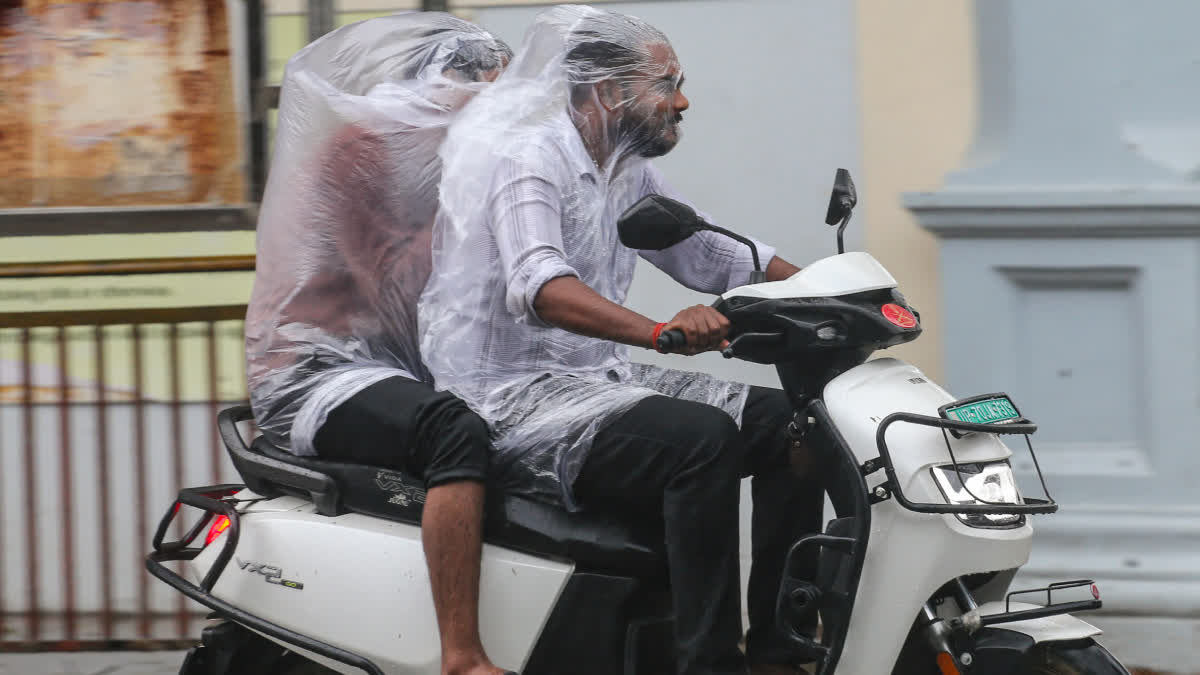
The India Meteorological Department (IMD) has issued a series of high-priority weather alerts as the monsoon trough remains active across the subcontinent. For August 1, weather patterns indicate a significant intensification of precipitation, with several states bracing for heavy to very heavy rainfall. The meteorological forecast points toward a period of volatile weather, necessitating heightened vigilance in regions prone to flooding, landslides, and agricultural disruption.
The current weather configuration is driven by a combination of a shifting monsoon trough and localized cyclonic circulations, which are drawing moisture from both the Arabian Sea and the Bay of Bengal. As this moisture-laden air interacts with the varied topography of North and Central India, the resulting weather systems are expected to deliver significant rainfall, impacting both urban infrastructure and rural agrarian landscapes.
Gujarat and Western India Under Red Alert
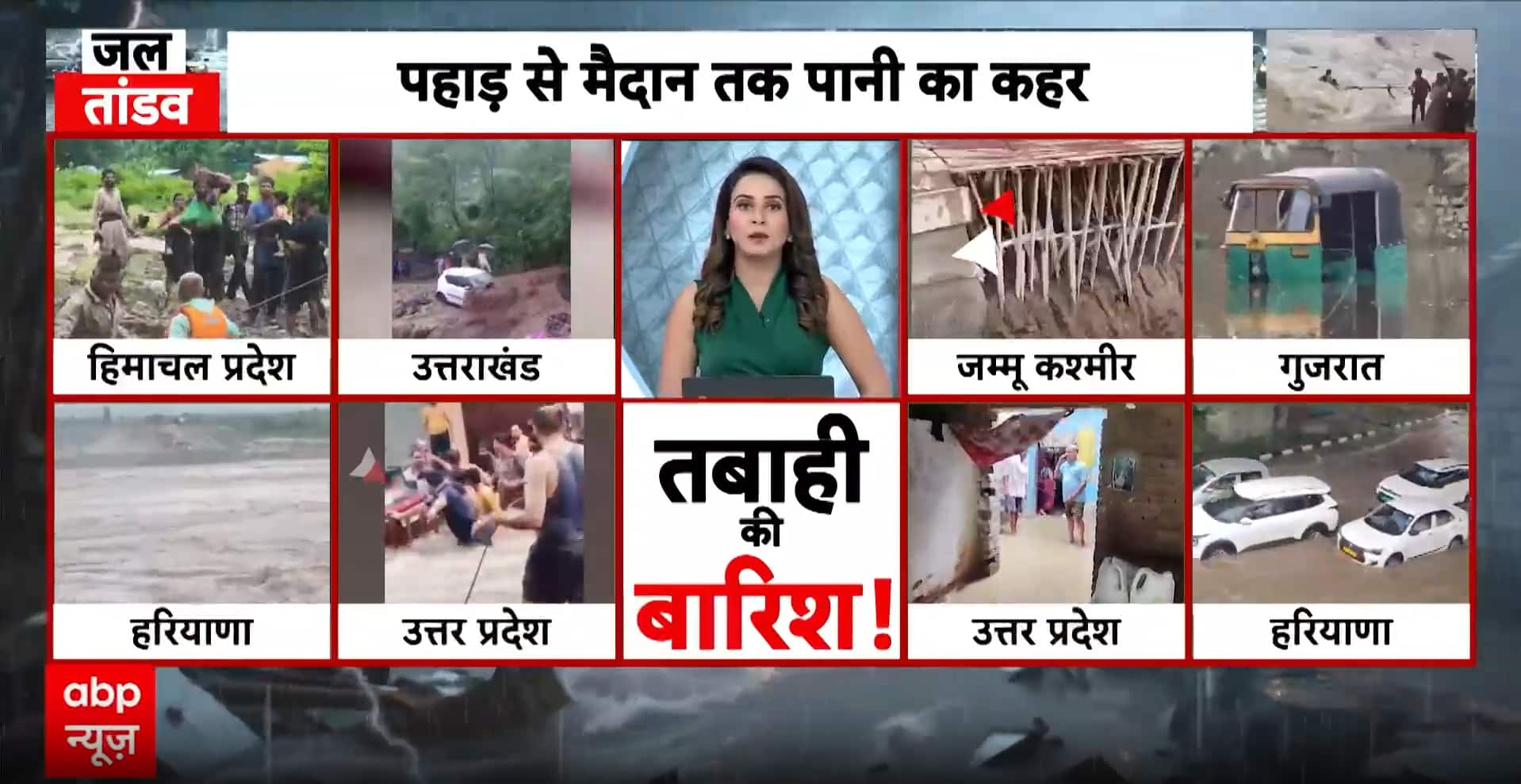
Among the most concerning developments for August 1 is the status of Gujarat, where the IMD has issued a red alert for 13 districts. This classification signifies the expectation of "extremely heavy rainfall," which poses a high risk of localized flooding and waterlogging. Authorities in these districts have been advised to prepare for potential disruptions to transport and power infrastructure, as the intensity of the downpours may overwhelm existing drainage systems.
Meanwhile, Maharashtra continues to experience an active monsoon phase. Coastal and interior regions are expected to see persistent, heavy showers throughout the day. The mountainous terrain of Himachal Pradesh remains a primary area of concern as well. With the soil already saturated from earlier spells of monsoon rain, the IMD has warned of potential landslips and flash floods. Residents and travelers in the hilly regions are urged to exercise extreme caution, as the combination of high-intensity rain and unstable terrain often leads to significant travel disruptions and safety hazards.
Regional Variations: From High Humidity to Heavy Showers
While some regions face the threat of extreme weather, the Delhi-NCR area is expected to experience a more typical monsoon pattern for August 1. The forecast for the national capital region suggests light to moderate rain showers. However, the relief provided by the rain is expected to be offset by high levels of humidity, creating a sultry and uncomfortable environment. While these showers are unlikely to cause major flooding, the persistent moisture remains a factor for local agricultural management and public health.
The monsoon activity is not limited to the western and northern corridors; northeastern states are also expected to see significant precipitation. The IMD’s broad-spectrum outlook suggests that the monsoon remains robust, with the current weather activity likely to continue for the immediate future. Farmers and local administrations across these regions are advised to stay updated with real-time tracking from district-level meteorological centers, as localized conditions can change rapidly.
What This Means for Farmers
For the agricultural sector, the IMD’s forecast necessitates immediate precautionary measures to protect crops and livestock. The primary concern during periods of heavy rainfall is the risk of waterlogging, which can lead to root rot and nutrient leaching in standing crops, particularly in low-lying fields. Farmers in the high-alert zones of Gujarat and Maharashtra should prioritize clearing drainage channels to ensure excess water is diverted away from fields.
In regions expecting heavy showers, it is advisable to postpone the application of fertilizers or chemical pesticides, as heavy rainfall will likely result in runoff, rendering these inputs ineffective and potentially causing environmental contamination. For those involved in horticulture or standing paddy crops, monitoring for pest and disease outbreaks—which frequently spike during high-humidity, high-rainfall periods—is essential. Farmers should ensure that livestock are housed in elevated, dry areas, as prolonged exposure to damp conditions can lead to hoof-related infections and other health issues.
Beyond immediate crop protection, these weather patterns serve as a reminder of the importance of weather-indexed insurance and the utilization of local agricultural advisory services. By aligning field activities with short-term meteorological forecasts, producers can mitigate the economic impact of extreme weather events and ensure better resilience during the peak of the monsoon season.