Monsoon Intensifies: Widespread Rainfall Alerts Issued Across Key Agricultural Belts
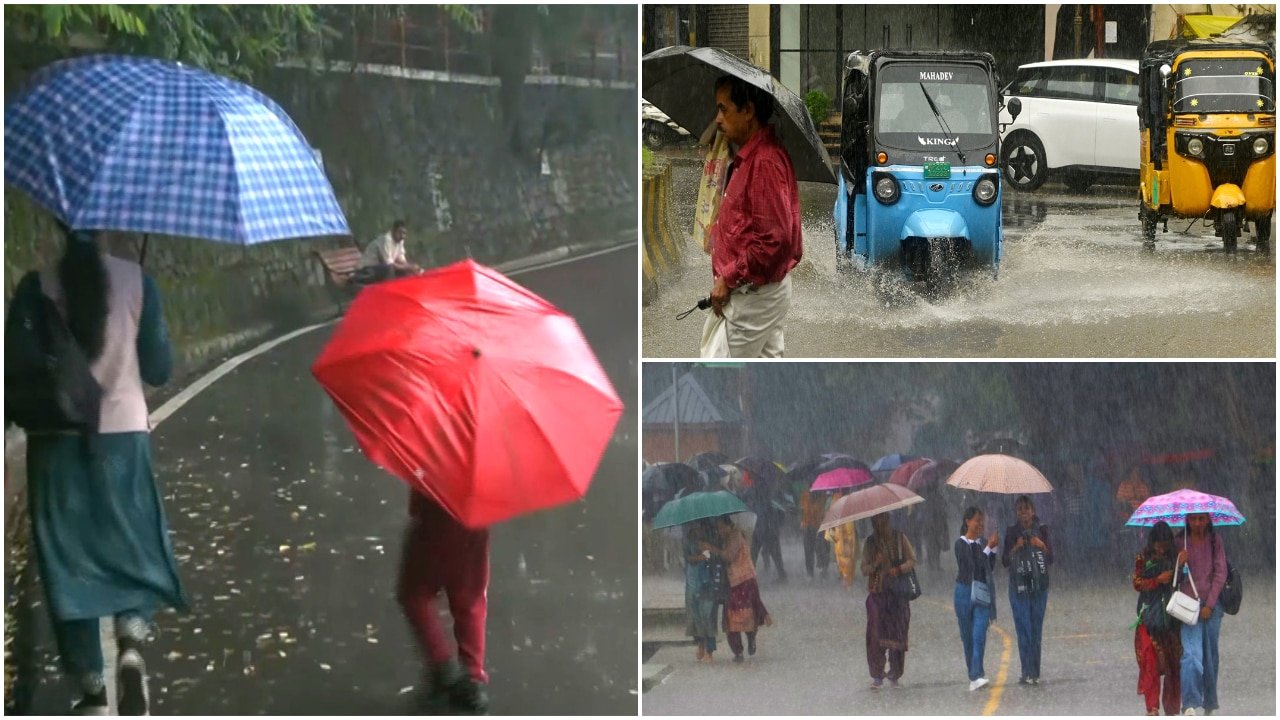
The India Meteorological Department (IMD) has issued a high-alert forecast for July 24, signaling a significant intensification of the southwest monsoon across several critical geographic zones. With active weather systems converging over western, northern, and northeastern India, the country is bracing for a period of widespread precipitation. This surge in monsoon activity is expected to bring heavy to extremely heavy rainfall to states that are currently in the peak of their kharif sowing season, raising both hopes for irrigation replenishment and concerns regarding localized flooding.
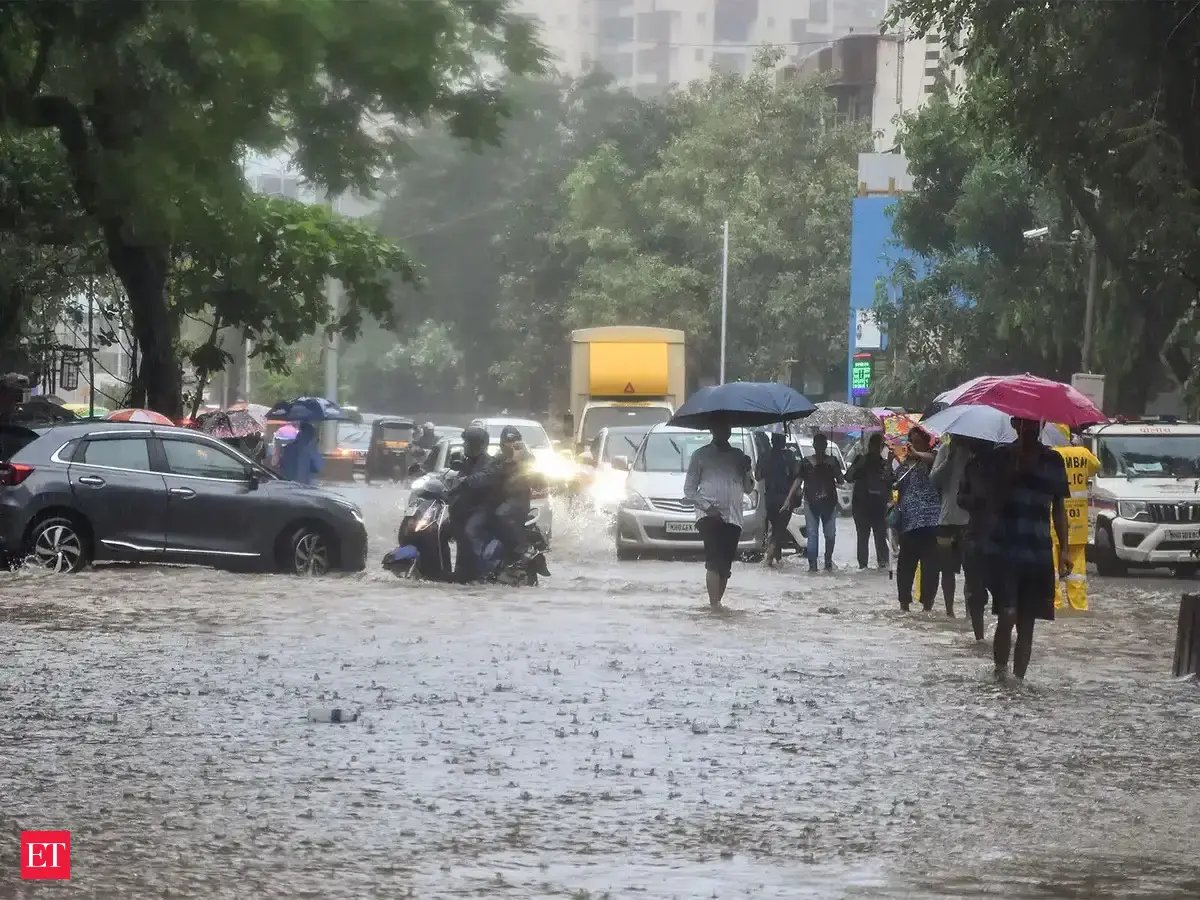
According to the latest meteorological bulletins, the synoptic conditions are conducive to sustained rainfall, driven by offshore troughs and moist winds blowing from the Arabian Sea and the Bay of Bengal. While the moisture influx is essential for soil moisture levels, the intensity of the projected showers necessitates heightened vigilance from local administrations and the agricultural community alike. Major urban centers, including the Delhi-NCR region and Mumbai, are expected to remain under heavy cloud cover, with intermittent showers likely to disrupt daily routines and logistical operations.
Regional Breakdown: Where Intense Rainfall is Expected
The western coastal belt, particularly Maharashtra and Gujarat, remains the focal point of the current weather system. These regions are anticipated to experience sustained, heavy downpours accompanied by thunderstorms. For these states, the rainfall is critical for the health of standing crops, yet the intensity poses a risk of soil erosion and waterlogging in low-lying fields. Meteorologists have advised farmers in these areas to ensure that drainage channels are cleared to prevent stagnant water from damaging root systems.
Simultaneously, the northern mountainous states of Uttarakhand and Himachal Pradesh are under a red alert for heavy precipitation. The rugged topography of these regions makes them susceptible to rapid surface runoff and potential landslides. In the Northeast, the monsoon continues its active phase, with consistent rainfall expected to maintain high water levels in river basins. Meanwhile, the Delhi-NCR region can expect persistent humidity and moderate to heavy showers, providing a reprieve from heat but maintaining high moisture levels that can influence pest and disease development in surrounding agricultural zones.
Managing Agronomic Risks During Peak Monsoon
As the monsoon enters this high-intensity phase, the primary challenge for the agricultural sector lies in balancing the benefits of soil saturation against the dangers of excess moisture. Prolonged waterlogging can lead to hypoxia in plant roots, hindering nutrient uptake and increasing the vulnerability of crops to fungal infections. Furthermore, the combination of high humidity and moderate temperatures creates an ideal environment for the proliferation of certain pathogens and pests, requiring farmers to remain vigilant in their field monitoring.
Effective water management during this period involves ensuring that field bunds are reinforced and that drainage systems are fully operational to facilitate the rapid removal of excess water. For farmers in rain-fed areas, this period is vital for the continued development of crops such as paddy, pulses, and oilseeds. However, the timing of fertilizer applications should be carefully considered; applying nutrients immediately before a forecasted downpour may lead to significant leaching, rendering the investment ineffective and potentially polluting local water sources.
What This Means for Farmers
The current weather pattern presents a dual-sided scenario for producers. On one hand, the widespread rainfall is largely beneficial for recharging groundwater tables and providing the necessary moisture for the kharif crop cycle. On the other, the risk of "extremely heavy" rainfall events requires proactive management strategies to protect capital investments.
- Drainage Management: Prioritize the maintenance of field drainage channels. Ensuring that water can move freely off the field is the most effective way to prevent crop loss due to waterlogging.
- Pest and Disease Monitoring: High humidity and consistent rain are precursors to fungal outbreaks. Farmers should conduct frequent field scouting for early signs of blight, rust, or increased insect activity, and be prepared to implement integrated pest management (IPM) practices.
- Fertilizer Strategy: Avoid nitrogenous fertilizer application if heavy rain is expected within the next 24 to 48 hours to prevent nutrient runoff and leaching. Split applications are advised to ensure better nutrient uptake efficiency.
- Logistical Planning: Expect potential disruptions in rural transport and supply chains due to heavy rain. Plan the movement of inputs and the transport of harvested produce, if any, with careful consideration of the IMD updates to avoid getting stuck in transit.
- Safety First: Beyond field health, prioritize farm safety. Avoid working in open fields during periods of intense thunderstorms, and ensure that farm machinery is stored in dry, elevated areas to prevent corrosion and electrical issues.