Record-Breaking Monsoon Patterns: IMD Issues High-Alert Warnings Across 18 States
The India Meteorological Department (IMD) has issued a wide-reaching weather advisory as the monsoon season reaches a critical period of intensity. With heavy to very heavy rainfall expected across 18 states, meteorologists are closely monitoring whether current precipitation patterns are on track to break historical seasonal records. The shift in atmospheric conditions has prompted authorities to escalate alert levels, particularly in the northern and central regions, where the cumulative impact of persistent rainfall is beginning to stress local infrastructure and agricultural systems.
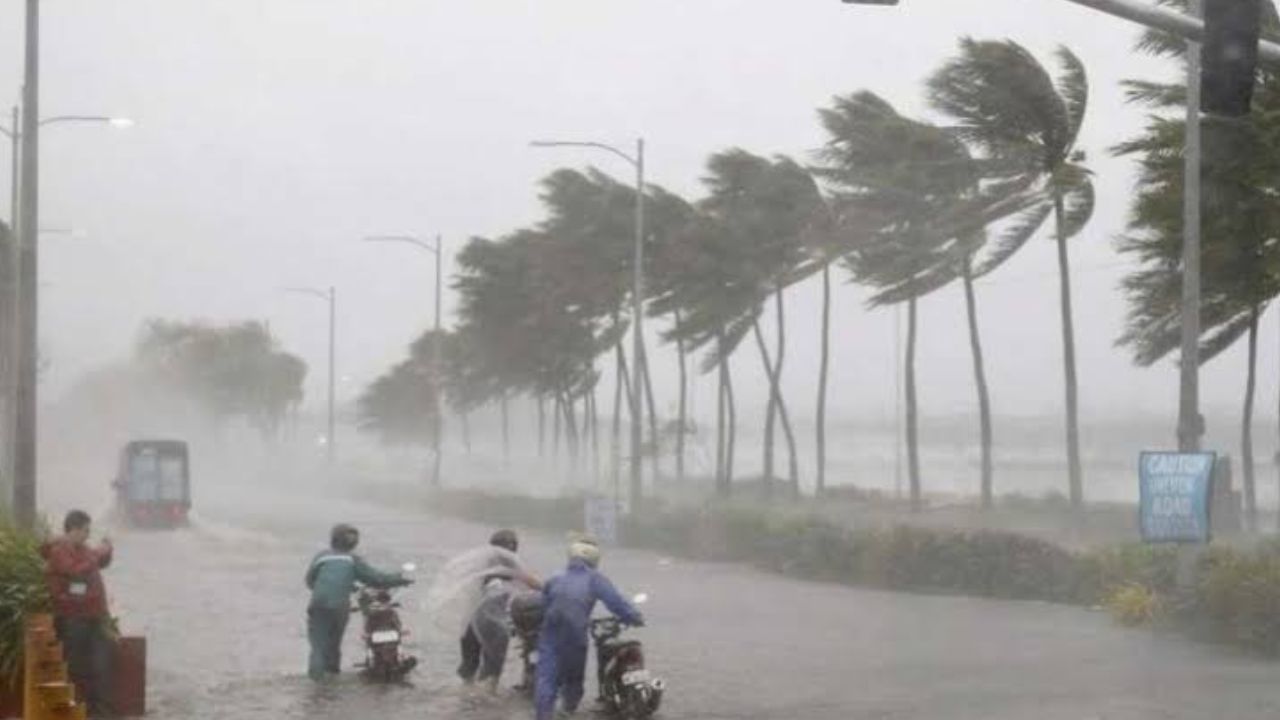
The current weather system is being driven by an active monsoon trough that is drawing significant moisture from both the Bay of Bengal and the Arabian Sea. This convergence has led to sustained, high-intensity precipitation events that show little sign of immediate dissipation. For agricultural stakeholders, this period of the monsoon is vital, as it coincides with the active growth stage of primary kharif crops. However, the sheer volume of rainfall, coupled with the frequency of these events, has introduced a level of volatility that requires careful management.
Geographic Focus: Red Alerts and Vulnerable Hill Regions
The most pressing concern for the IMD is the situation in Himachal Pradesh, where a red alert has been officially declared. The state, characterized by its complex topography, is facing an acute risk of landslides and flash floods. The saturation of soil in the mountainous terrain has reached critical levels, significantly increasing the probability of slope failure, which threatens both transit corridors and rural agricultural settlements. Local authorities are urging residents to exercise extreme caution, particularly in areas prone to geological instability.
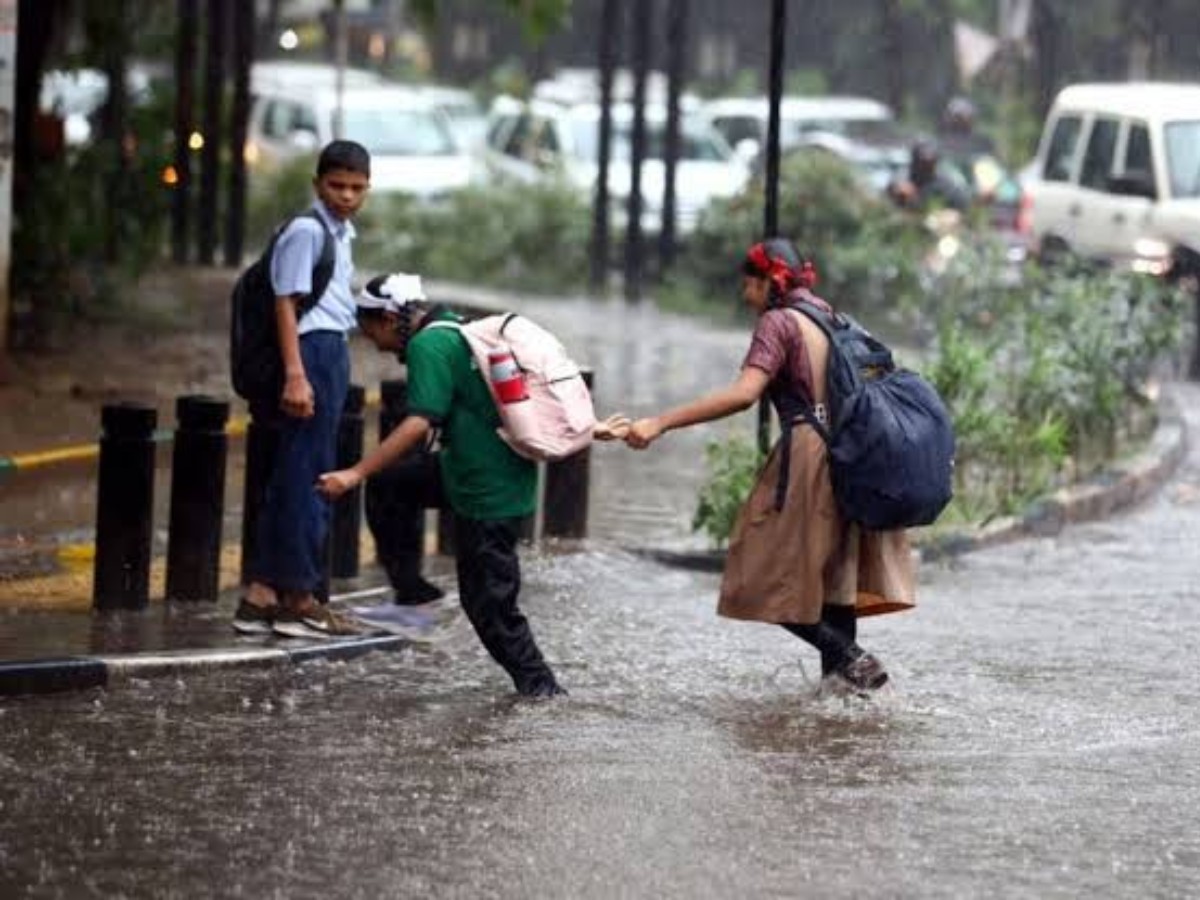
Beyond the immediate threat to life and property, the weather system is impacting a broad swathe of the country. States under watch include those in the northwest, central, and parts of eastern India, where the IMD expects "very heavy" rainfall—a classification that implies over 115mm of rain within a 24-hour period. This widespread deluge is expected to lead to waterlogging in low-lying areas and may compromise the structural integrity of rural roads, complicating the transport of agricultural inputs and the eventual movement of harvested goods to market centers.
Hydrological Impact and Crop Development
While the monsoon is essential for replenishing reservoirs and groundwater tables, the current extreme weather events present a double-edged sword for the farming community. In many regions, the excess water is causing temporary inundation of fields, which can lead to root rot and nitrogen leaching—a process where vital nutrients are washed away from the soil profile before plants can absorb them. The lack of sunshine, caused by persistent cloud cover, is also hindering the photosynthetic process, potentially slowing the maturation rates of sensitive crops.
Furthermore, the high moisture environment creates a breeding ground for fungal pathogens and pests. Farmers are being advised to remain vigilant regarding crop health, as the combination of high humidity and standing water is the ideal catalyst for various blights and pest infestations. Monitoring for early signs of disease will be paramount in the coming weeks to prevent widespread crop loss across affected states.
What This Means for Farmers
The current meteorological situation requires a shift from standard seasonal planning to reactive risk management. Farmers should prioritize the following actions to mitigate potential losses during this high-intensity period:
- Improve Field Drainage: Ensure that drainage channels are cleared of debris. In waterlogged fields, digging small trenches can help divert excess water away from the root zones of standing crops to prevent saturation.
- Monitor for Nutrient Deficiencies: If heavy rains have caused nutrient leaching, consult with local agricultural extension offices regarding the application of light, split-dose fertilizers once the soil moisture levels stabilize, rather than applying large amounts at once.
- Disease Surveillance: Increased humidity is a precursor to fungal infections. Proactive scouting for leaf spots, stem rot, and other fungal indicators is essential. Early identification allows for targeted treatment, which is more cost-effective than managing a widespread outbreak later in the season.
- Infrastructure Protection: Store harvested produce or valuable inputs in elevated, dry, and well-ventilated structures. Avoid storing goods in low-lying areas prone to flash flooding.
- Stay Informed: Rely on localized weather updates provided by the IMD or regional agricultural universities. Weather patterns can change rapidly in mountainous regions; having a plan for immediate evacuation or emergency crop protection is vital for those in high-risk zones.
While the monsoon remains the lifeblood of Indian agriculture, the current intensity serves as a reminder of the need for climate-resilient farming practices. By focusing on soil health, drainage, and early warning systems, farmers can better navigate these challenging weather conditions and protect their yields against the volatility of an increasingly unpredictable monsoon.