Monsoon Surge Triggers Nationwide Heavy Rainfall Alerts
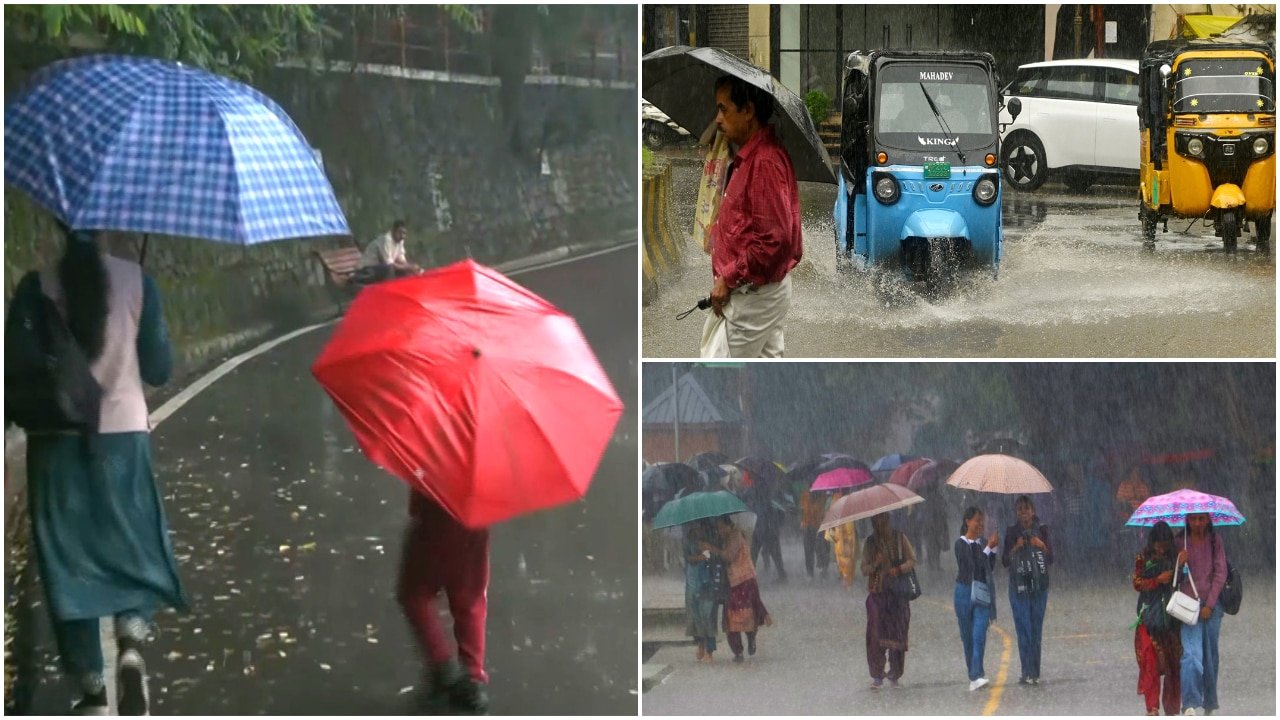
The India Meteorological Department (IMD) has issued a comprehensive weather alert for July 21, signaling a significant intensification of the monsoon across large swathes of the Indian subcontinent. After a brief period of reduced activity in certain regions, an active monsoon surge is now expected to bring widespread, heavy rainfall to key agricultural and urban hubs. This meteorological shift is projected to impact north, east, and northeast India, with specific warnings issued for Maharashtra, West Bengal, Uttar Pradesh, Bihar, Rajasthan, Jharkhand, Odisha, Himachal Pradesh, Uttarakhand, and Assam.
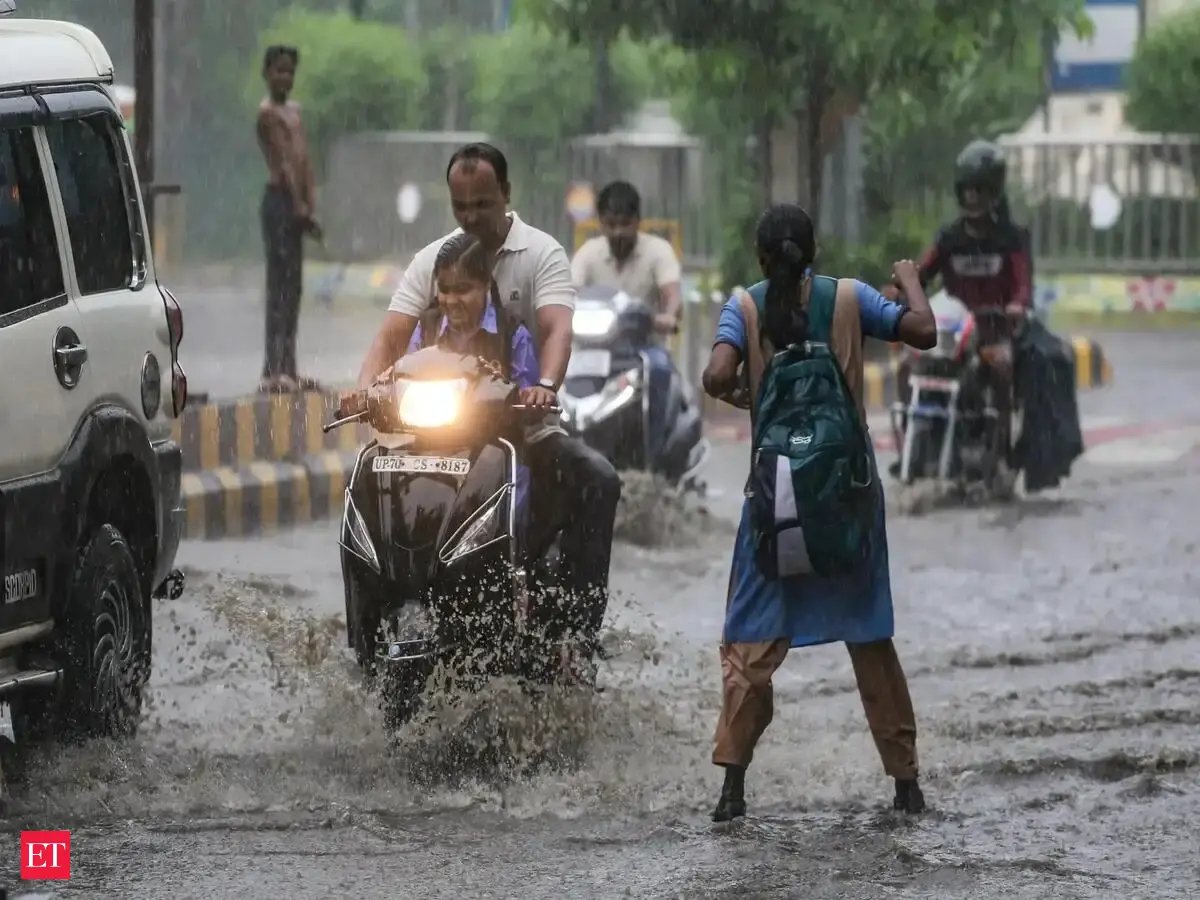
The current weather pattern indicates a convergence of moisture-laden winds from the Arabian Sea and the Bay of Bengal, fueling robust convective activity. While urban centers like Delhi and Mumbai brace for moderate to heavy showers that may disrupt daily operations, the primary concern remains the sustained downpour in the mountainous regions of Himachal Pradesh and Uttarakhand. In these areas, the IMD has flagged the risk of extreme rainfall, which often leads to flash floods and landslides, necessitating heightened vigilance from local authorities and the public alike.
Geographic Distribution and Hydrological Impact
The distribution of rainfall is expected to be uneven but intense. In the eastern and northeastern corridors, including West Bengal, Bihar, and Assam, the influx of moisture is likely to bolster water levels in river basins. While this provides essential replenishment for soil moisture, it also raises concerns regarding potential waterlogging in low-lying areas. Agricultural experts are closely monitoring these regions, as excessive saturation can impact standing crops that are currently in critical growth stages.
Simultaneously, the northern plains, including Uttar Pradesh and Rajasthan, are expected to see a significant break from recent dry spells. For Rajasthan, a state that frequently grapples with moisture deficits, these rains are vital for reservoir management and groundwater recharge. However, the intensity of the precipitation—if concentrated over short durations—could lead to rapid runoff rather than effective infiltration. Similarly, Maharashtra continues to experience the brunt of the monsoon’s active phase, with coastal and interior districts remaining under a constant watch for heavy precipitation events that could affect transport logistics and agricultural supply chains.
Risk Mitigation in Mountainous and Vulnerable Zones
The IMD’s specific focus on Himachal Pradesh and Uttarakhand underscores the heightened vulnerability of the Himalayan belt. The topography of these states, combined with the forecasted "extremely heavy" rainfall, creates a high-risk environment for slope instability. The meteorological department has advised residents and travelers to exercise extreme caution, noting that saturated soil conditions significantly increase the likelihood of landslides and debris flows. These events not only pose a threat to civilian safety but also frequently disrupt critical infrastructure, including mountain roads that serve as lifelines for regional trade and agricultural transport.
Beyond the immediate safety concerns, the meteorological forecast serves as a reminder of the monsoon's volatility. The combination of high-velocity winds and sustained downpours suggests that the current weather system is deep and well-organized. Regional disaster management authorities have been alerted to mobilize resources, ensuring that emergency response teams are positioned to handle potential disruptions to electricity, communication, and basic services as the system traverses the country.
What This Means for Farmers
For the farming community, this monsoon surge represents a double-edged sword that requires immediate tactical adjustments. While the rains are generally beneficial for the kharif crop cycle, the intensity and timing of this surge bring specific challenges:
- Crop Management: Farmers in low-lying areas should ensure that drainage channels are cleared to prevent waterlogging, which can lead to root rot and nutrient leaching. In areas expecting heavy winds, temporary staking or protective measures for tall crops may be necessary to prevent lodging.
- Nutrient Application: With heavy rainfall forecast, it is advisable to pause the application of fertilizers and pesticides. High-intensity rain will likely wash away these inputs, rendering them ineffective and increasing the risk of chemical runoff into local water bodies.
- Storage and Logistics: Farmers currently holding harvested produce or those preparing for market transport should secure their inventory. Moisture-controlled storage is essential to prevent fungal growth and spoilage during this high-humidity period.
- Monitoring Local Advisories: Agricultural impact is highly localized. Farmers are strongly encouraged to tune into district-level agro-meteorological advisories. These bulletins provide specific guidance based on local soil conditions and crop stages, which are far more accurate than generalized regional forecasts.
- Livestock Safety: Ensure that livestock are sheltered in elevated, dry areas. The sudden shift in weather can lead to an increase in vector-borne diseases; keeping animal housing clean and dry is a priority to prevent foot rot and other monsoon-related health issues.
By staying informed through official IMD channels and district agricultural offices, farmers can minimize the risks associated with this active monsoon phase and maximize the benefits of the much-needed precipitation.