Monsoon Surge Triggers Nationwide Heavy Rainfall Alert
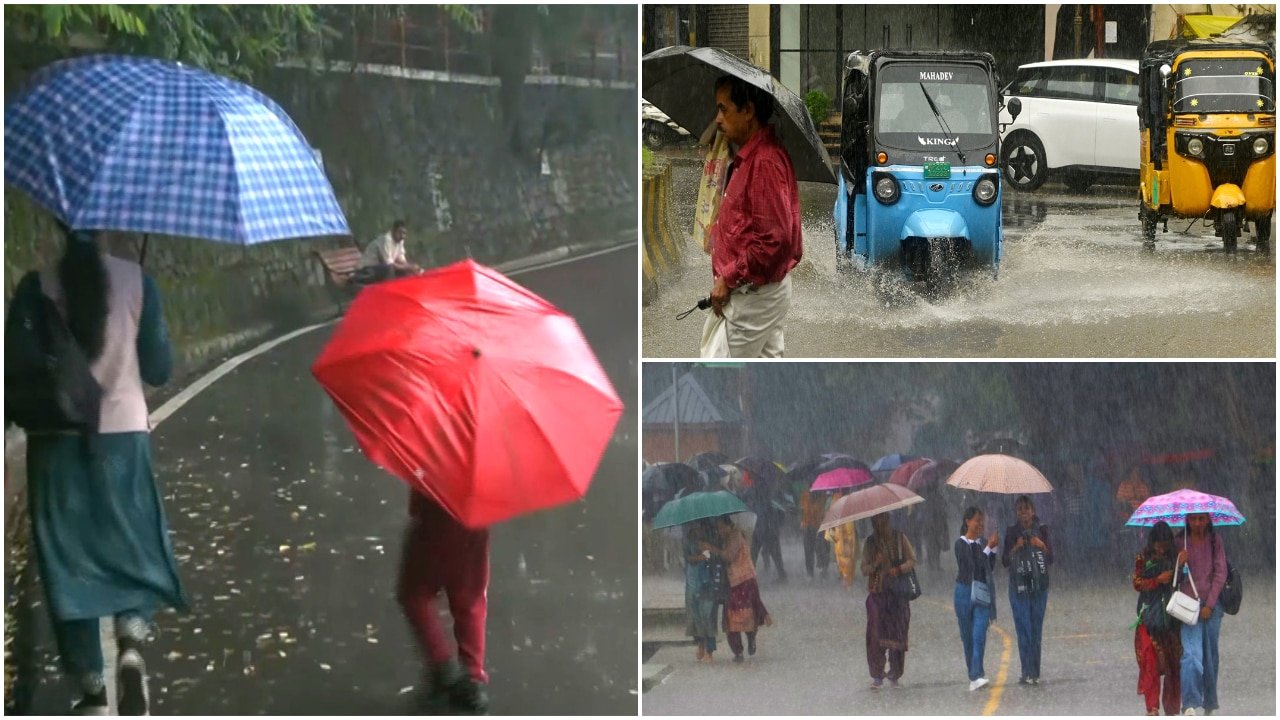
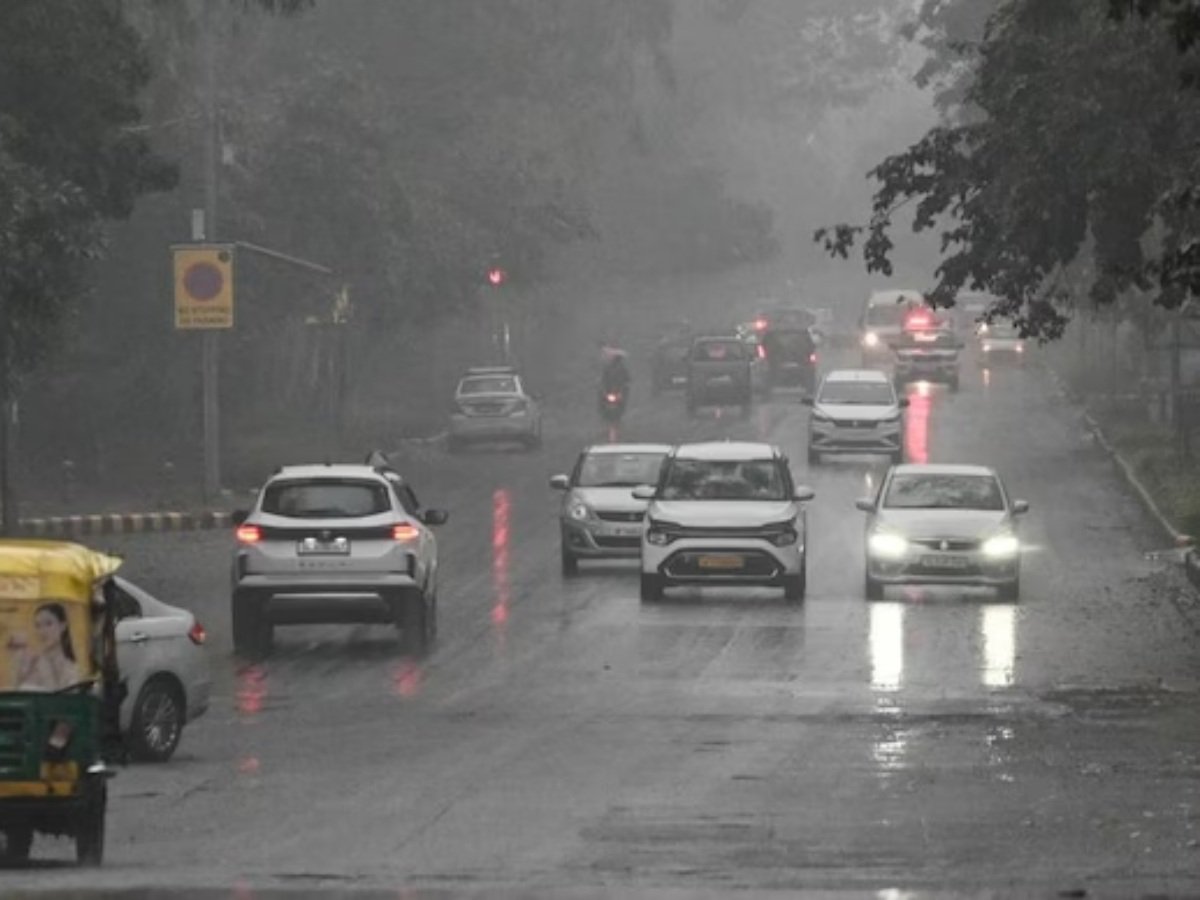
The India Meteorological Department (IMD) has issued a comprehensive weather alert for July 21, signaling a significant intensification of the southwest monsoon across several key agricultural belts. Following a period of relative stagnation, the monsoon trough has shifted, bringing widespread rainfall, thunderstorms, and lightning strikes to a broad swathe of the country. The current forecast indicates that the weather system is gaining momentum, with heavy to very heavy precipitation expected in regions spanning from the northern Himalayan foothills to the western coastal plains and the eastern Gangetic plains.
This resurgence of monsoon activity is critical for the national agricultural calendar, as it coincides with the peak window for Kharif crop establishment. States under the current alert include Maharashtra, West Bengal, Uttar Pradesh, Bihar, and Rajasthan, alongside Himachal Pradesh, Uttarakhand, and the National Capital Region. Meteorological officials have advised local administrations to remain vigilant, as the combination of heavy rainfall and potential thunderstorms poses risks to both infrastructure and standing crops in low-lying areas.
Regional Impact and Meteorological Dynamics
The meteorological conditions driving this weather pattern are complex, involving a confluence of moisture-laden winds from both the Arabian Sea and the Bay of Bengal. In the northern regions, particularly Himachal Pradesh and Uttarakhand, the IMD has warned of heavy downpours that could trigger localized flash floods and landslides in hilly terrain. These areas are currently undergoing crucial vegetative growth phases for orchards and terrace-farmed crops, where excessive moisture can lead to soil erosion if not properly managed.
Meanwhile, the agricultural powerhouses of Uttar Pradesh and Bihar are bracing for intense spells of rain, which are expected to provide much-needed relief to regions that had previously reported moisture stress. However, the intensity of the forecast—characterized by lightning and gusty winds—necessitates caution. In western India, Maharashtra is experiencing a renewed surge in monsoon activity, which is vital for reservoir replenishment but requires careful monitoring to ensure that rapid water accumulation does not lead to waterlogging in sensitive cash-crop fields. Rajasthan, a state that often faces erratic rainfall, is also slated for significant precipitation, providing a rare opportunity for moisture conservation in arid and semi-arid zones.
Managing Agricultural Risks During High-Intensity Rainfall
The current weather pattern presents a dual reality for the farming community: it offers essential water for crop development while simultaneously introducing the risk of physical damage to fields and irrigation systems. The IMD’s focus on lightning and thunderstorms is particularly relevant, as these phenomena can disrupt field operations and pose safety risks to livestock and field workers. Farmers are encouraged to monitor localized weather updates via regional meteorological centers and stay informed about district-level warnings.
What This Means for Farmers
For the farming community, this active monsoon phase requires immediate tactical adjustments to protect yields and ensure long-term soil health. The following considerations are essential for the coming week:
- Drainage Management: Prioritize the maintenance of drainage channels in fields to prevent waterlogging, which can lead to root rot and nutrient leaching, particularly in pulses and sensitive vegetable crops.
- Input Application: Avoid the application of fertilizers and pesticides during periods of heavy rainfall. High-intensity rain will wash away inputs before they can be absorbed by the plants, leading to both economic loss and environmental runoff.
- Livestock Safety: Ensure that livestock are sheltered in sturdy, elevated structures away from low-lying areas prone to sudden flooding. During thunderstorms, keep animals away from isolated trees or metal fencing to mitigate the risk of lightning strikes.
- Monitoring for Pests and Disease: High humidity and persistent rainfall create an ideal environment for fungal outbreaks and bacterial infections. Farmers should conduct frequent scouting for signs of blight or mildew and be prepared to implement protective measures as soon as the weather clears.
- Moisture Conservation: In regions like Rajasthan, where rainfall is often fleeting, farmers should focus on capturing runoff through on-farm water harvesting structures, ensuring that the current surplus is stored for potential dry spells later in the season.
By staying proactive and responsive to real-time meteorological advisories, farmers can mitigate the risks associated with this intense weather phase and effectively harness the monsoon’s potential for a successful harvest season.