Monsoon Reinvigorated: IMD Issues Widespread Heavy Rainfall Alerts Across India
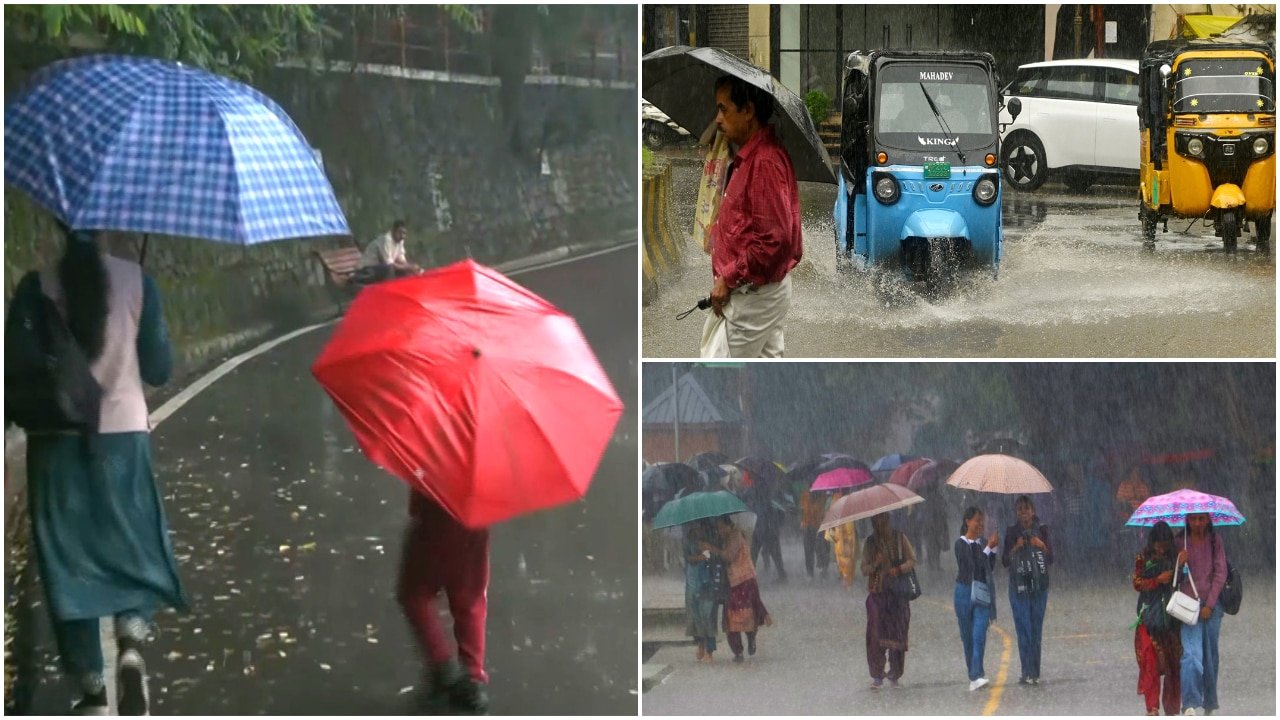
The Indian monsoon, which had seen a period of relative stabilization across several key agricultural belts, has entered a phase of renewed vigor. The India Meteorological Department (IMD) has issued high-alert warnings for more than 15 states, signaling a period of intense precipitation that is expected to significantly influence soil moisture levels, reservoir storage, and ongoing kharif sowing operations. As of July 17, deep atmospheric instability is fueling widespread heavy to very heavy rainfall, raising concerns about potential waterlogging in urban centers and the vulnerability of infrastructure in hilly regions prone to landslides.
Synoptic Conditions and Regional Impact
The current weather pattern is being driven by the convergence of moisture-laden winds from the Bay of Bengal and the Arabian Sea, interacting with a shifting monsoon trough. This meteorological synergy has created a concentrated zone of precipitation stretching from the northern plains into the central and western regions of the country.
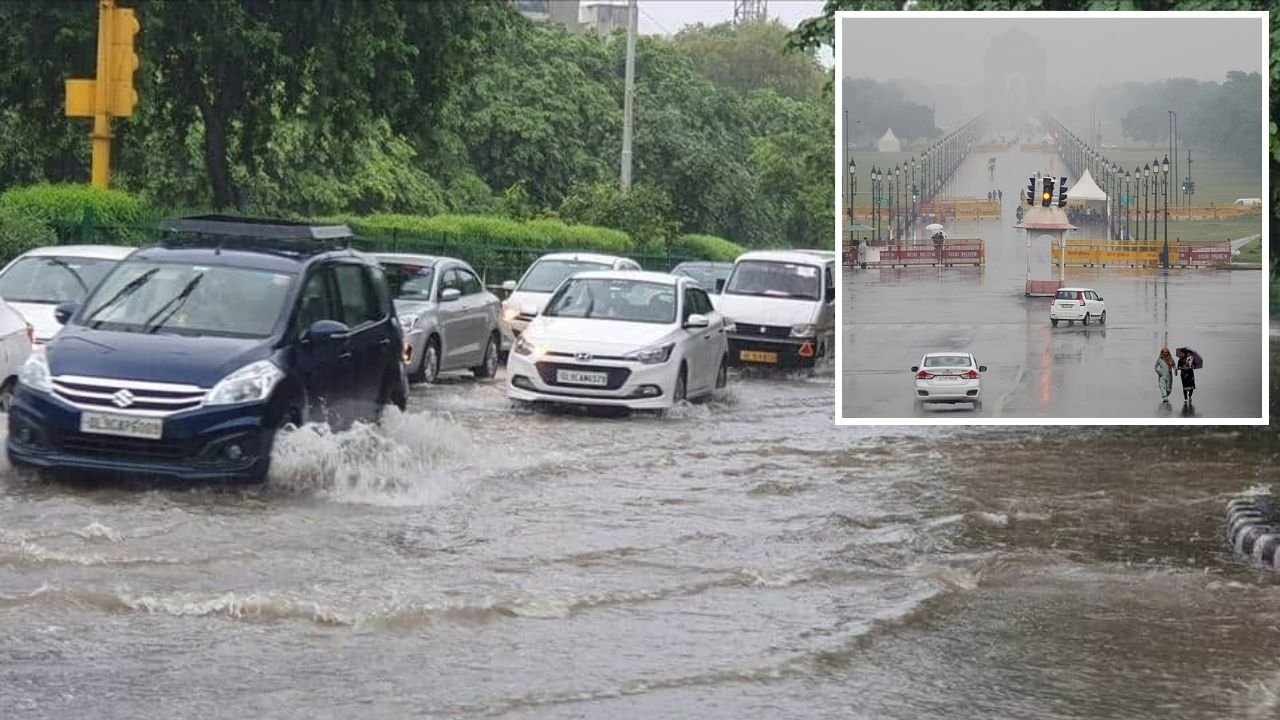
Delhi and the surrounding National Capital Region (NCR) are currently experiencing a surge in rainfall activity, which is expected to provide a substantial boost to water tables but may also lead to localized urban flooding. Simultaneously, large swaths of Uttar Pradesh are under a heavy rain warning. For the agrarian heartland of the Gangetic plains, this rainfall is a double-edged sword: while it is essential for the paddy transplanting phase, excessive intensity over short durations can lead to the submergence of low-lying fields. Beyond the plains, the IMD has flagged mountainous states for potential landslides and flash floods, urging residents and local authorities to remain vigilant as soil saturation levels reach critical thresholds.
Managing Agronomic Risks During Peak Monsoon
As the monsoon enters this high-intensity phase, agricultural experts emphasize the importance of field management to mitigate the risks associated with excessive rainfall. The primary concern during such events is the management of standing water in crops that are sensitive to root rot and nutrient leaching. For farmers engaged in paddy cultivation, the focus shifts to maintaining appropriate water levels in fields while ensuring that drainage systems are clear to prevent the total loss of seedlings due to prolonged submergence.
Furthermore, the high humidity and persistent cloud cover associated with these systems can create favorable conditions for the rapid spread of fungal pathogens and pests. Agronomists suggest that once the heavy rain subsides, farmers should conduct thorough field inspections to identify early signs of fungal infection. In regions where sowing is still underway, the timing of fertilizer application is critical; applying nitrogenous fertilizers immediately before a heavy downpour often results in significant nutrient runoff, rendering the investment ineffective and potentially contaminating local water bodies.
What This Means for Farmers
The current weather alert serves as a vital signal for farmers to adjust their short-term operational strategies. The following points outline the practical and economic implications of the ongoing heavy rainfall:
- Drainage Maintenance: Prioritize the cleaning of field channels and drainage outlets. Ensuring that water can move freely off the land is the single most effective way to prevent crop damage during extreme precipitation events.
- Input Management: Avoid the application of fertilizers or pesticides during active rainfall. Heavy rain washes away these inputs, leading to economic loss and environmental degradation. Wait for a clear window of at least 24 to 48 hours to ensure effective absorption.
- Soil Erosion Control: In sloping areas, implement temporary vegetative barriers or contour bunds to minimize topsoil loss caused by surface runoff. Protecting the topsoil is essential for maintaining the productivity of the land for the remainder of the kharif season.
- Livestock Safety: Ensure that livestock are sheltered in dry, elevated areas. Excessive moisture and mud can lead to foot rot and other health complications in cattle and small ruminants.
- Monitoring Local Advisories: Farmers are urged to stay connected with local Krishi Vigyan Kendras (KVKs) and monitor district-level weather updates. These localized forecasts provide more granular data than national reports, allowing for better decision-making regarding irrigation, harvesting, or protective measures.
While the sustained monsoon activity is generally beneficial for total grain production and reservoir levels, the current intensity requires a proactive approach to risk management. By remaining vigilant and adapting field practices to the changing meteorological conditions, the agricultural community can better navigate this period of heightened weather volatility.