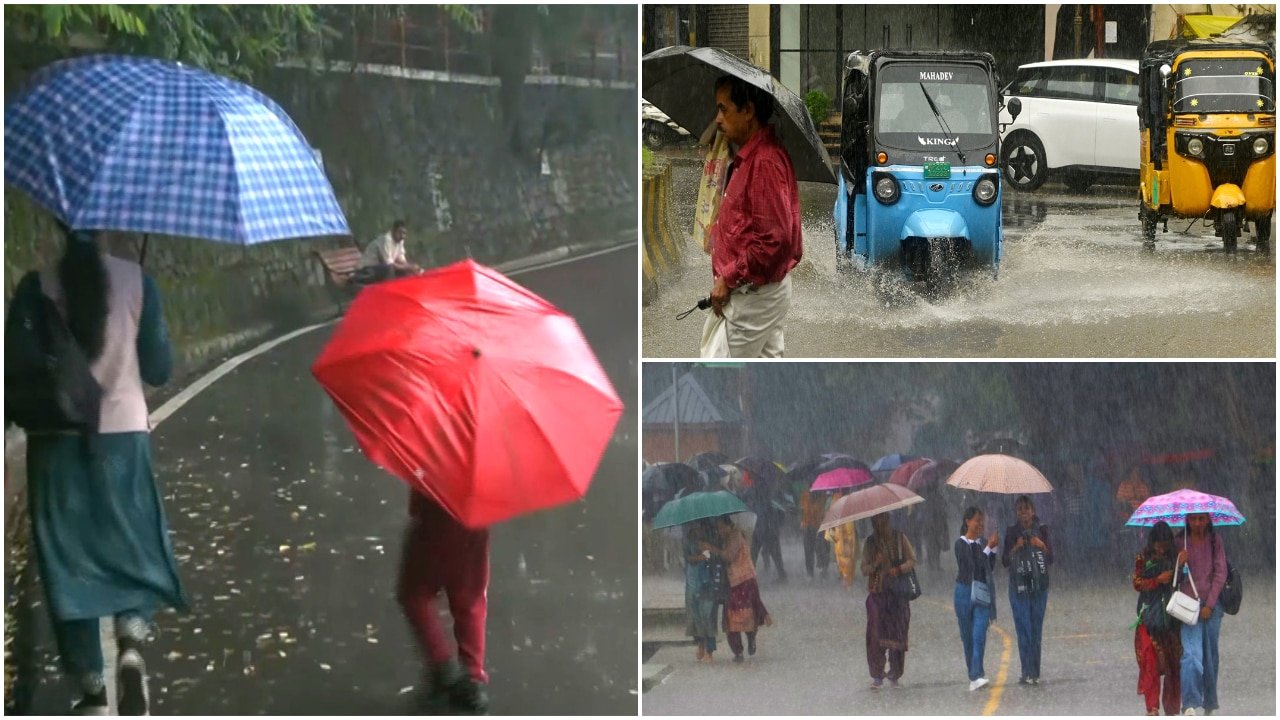
Regional Weather Divergence: Monsoon Shifts Impact Crop Planning Across India
The India Meteorological Department (IMD) has issued a series of weather warnings that highlight the stark contrast in climatic conditions currently affecting the nation’s agricultural heartlands. While large swathes of eastern and central India are bracing for a surge in heavy rainfall, the National Capital Region (NCR) remains under a yellow alert, characterized by stifling heat and high humidity. This meteorological divide presents a complex operational landscape for farmers, as shifting monsoon patterns necessitate rapid adjustments to irrigation, pest management, and harvest timelines.
The Monsoon Surge: Impact on Central and Eastern India
The ongoing monsoon activity over eastern and central India is being driven by the intensification of moisture-laden winds from the Bay of Bengal. Meteorological data suggests that these regions are likely to experience heavy to very heavy rainfall over the coming days. For farmers in these zones, this precipitation is a double-edged sword. While it is essential for the replenishment of groundwater levels and the sustenance of water-intensive crops such as paddy, the intensity of the downpours poses a significant risk of waterlogging.
Excessive soil moisture during this critical growth stage can lead to root rot and nutrient leaching, effectively stripping the soil of nitrogen and other essential minerals. Agricultural experts advise that drainage management should be the immediate priority for those in flood-prone districts. Ensuring that field channels are clear and that excess water can be diverted away from standing crops will be vital to preventing long-term yield suppression. Furthermore, the high humidity associated with these rain events creates a favorable environment for fungal pathogens and bacterial blights, requiring farmers to remain vigilant for signs of disease outbreaks.
Delhi-NCR: Heat, Humidity, and the Risk of Thermal Stress
In contrast to the rain-drenched eastern regions, Delhi and its surrounding areas are grappling with a persistent yellow alert. This designation indicates a period of hot and humid weather that, while perhaps less disruptive than flooding, presents its own set of physiological challenges for crops and livestock. High humidity combined with elevated temperatures can disrupt the transpiration process in plants, leading to thermal stress.
When the air is saturated with moisture, plants struggle to cool themselves through evaporation, which can lead to a decline in photosynthetic efficiency. For vegetable growers and those managing greenhouse operations in the peri-urban areas of the NCR, maintaining adequate ventilation and monitoring soil moisture levels is critical. The "yellow alert" serves as a cautionary signal for the agricultural community to mitigate heat-related stress by optimizing irrigation schedules—ideally during the cooler morning or evening hours—to reduce evaporation loss and stabilize the microclimate around the crops.
What This Means for Farmers
The current weather volatility underscores the necessity for farmers to move beyond traditional scheduling and embrace responsive farm management. The practical implications of these IMD alerts include:
- Prioritize Drainage Infrastructure: In regions expecting heavy rainfall, farmers should inspect and clear field drainage systems immediately to prevent prolonged waterlogging, which is a leading cause of crop failure during the monsoon.
- Proactive Pest and Disease Monitoring: High humidity, whether accompanied by rain or heat, is a catalyst for fungal infections. Farmers should scout fields regularly for early symptoms of blight or mold and consult with local extension services regarding the timing of preventative fungicide applications.
- Optimize Irrigation Strategy: In the heat-stressed NCR region, avoid over-watering during the heat of the day. Utilize mulching techniques where possible to retain soil moisture and protect root zones from the intense heat of the sun.
- Livestock Management: Humidity levels are often overlooked in livestock management. Ensure that sheds are well-ventilated to prevent respiratory issues in cattle and poultry, as high heat-humidity indices can significantly reduce productivity and feed intake.
- Stay Informed: Weather patterns are shifting rapidly. Farmers are encouraged to utilize localized mobile alerts and regional agricultural extension portals to receive hyper-local updates, allowing for data-driven decisions rather than relying on generalized forecasts.
Ultimately, while weather remains an uncontrollable variable, the ability to mitigate its impact through timely agronomic intervention remains the hallmark of a resilient farming operation. By balancing the need for moisture conservation in the north with the urgent requirement for drainage in the east, producers can better navigate this period of climatic uncertainty.