IMD Issues High-Alert Warning for Heavy Rainfall Across Key Agricultural Regions
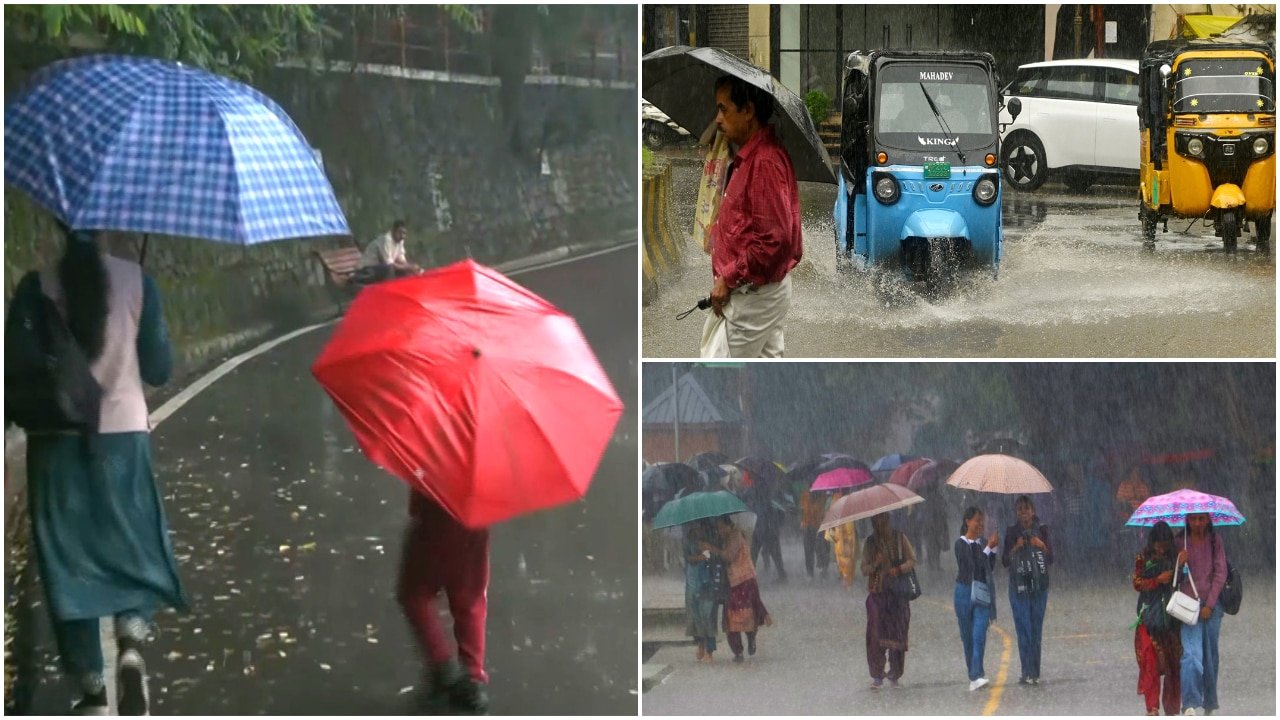
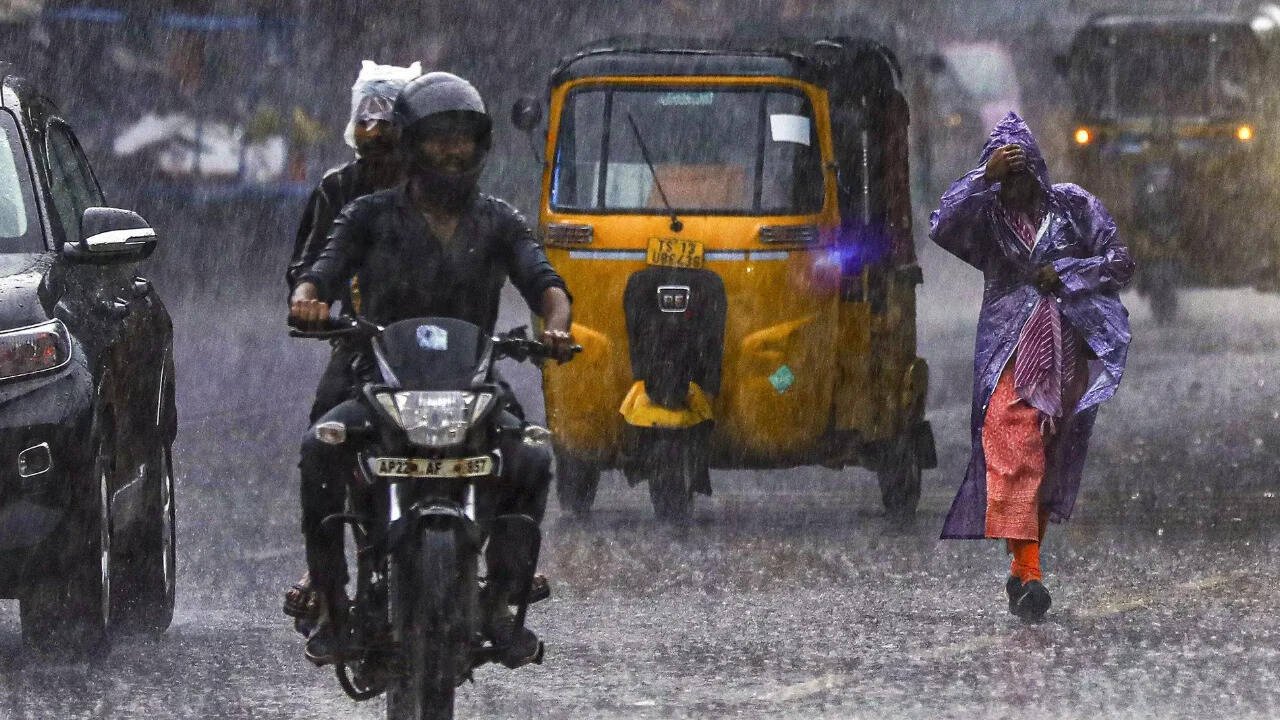
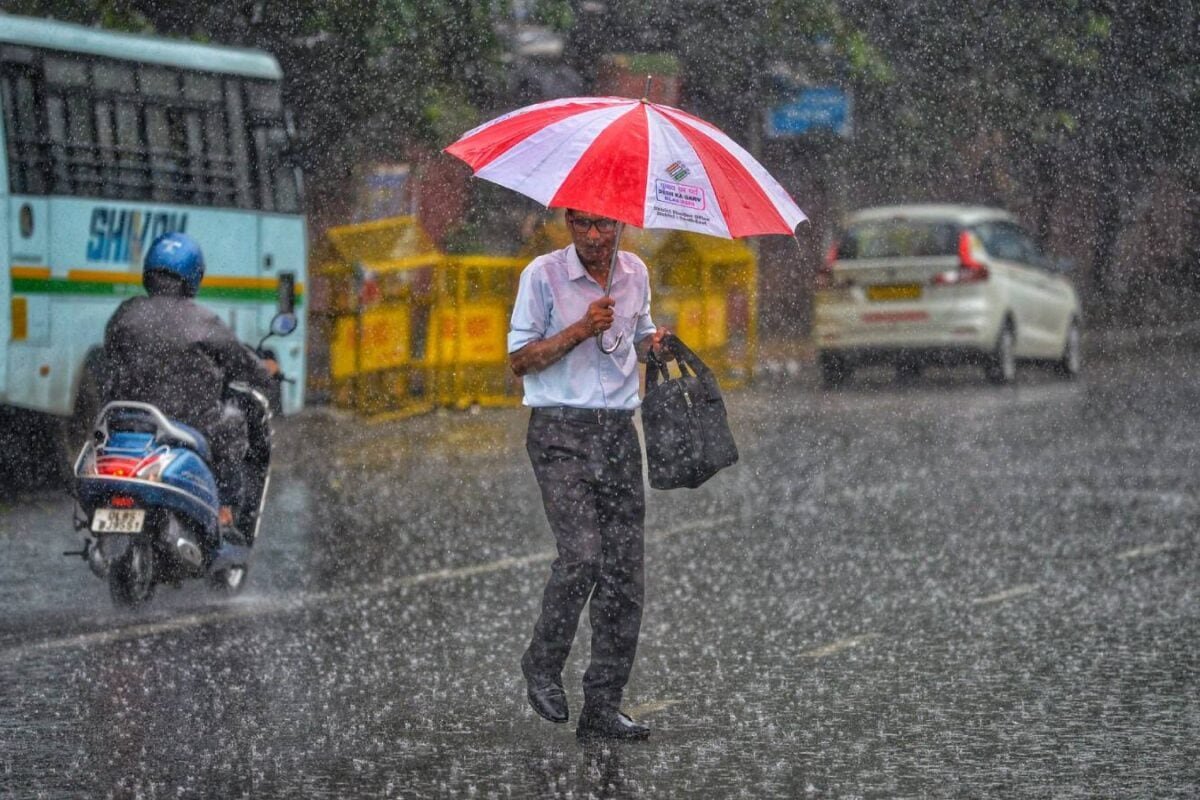
The India Meteorological Department (IMD) has issued a significant weather advisory for August 11, signaling a period of intense meteorological activity across multiple states. As the monsoon season reaches a critical phase, the forecast points toward heavy to very heavy rainfall, raising concerns about potential localized flooding, soil erosion, and disruptions to essential agricultural operations. The alert specifically highlights Himachal Pradesh, Odisha, and several states within the Northeast as regions of primary concern.
Meteorologists suggest that the convergence of moisture-laden winds and active monsoon troughs is driving this escalation in precipitation. For farmers and rural communities, this weather pattern represents a double-edged sword: while the influx of water is essential for recharging groundwater levels and filling local reservoirs, the intensity of the projected rainfall threatens to overwhelm drainage infrastructure and place vulnerable crops at risk of waterlogging.
Regional Vulnerabilities: Assessing the Impact of Heavy Precipitation
The geographic spread of this alert encompasses regions with vastly different topography and agricultural profiles. In Himachal Pradesh, the combination of steep terrain and heavy rainfall often triggers immediate concerns regarding landslides and sudden flash floods. For the horticultural sector in the state, particularly apple orchards and high-value vegetable farms, the primary risk involves the physical stability of the land and the potential for severe soil nutrient leaching. The IMD’s warning emphasizes the need for caution in hilly areas where terrain instability is exacerbated by persistent downpours.
In contrast, the situation in Odisha and the Northeast presents a different set of challenges. Odisha, which relies heavily on rain-fed paddy cultivation, faces the risk of standing water in low-lying fields. When rainfall intensity exceeds the rate of drainage, crops that are in critical growth stages can suffer from root rot and reduced oxygen uptake. Similarly, in the Northeast, the accumulation of water in river basins can lead to bank overflows, impacting peripheral agricultural lands and disrupting the supply chain links that connect rural producers to regional markets.
Monitoring Atmospheric Conditions and Crop Safety
Agricultural experts are urging stakeholders to maintain close vigilance as the weather system progresses. The IMD’s forecast is not merely a data point but a signal for preemptive action. In areas where heavy rainfall is anticipated, the focus must shift toward field management and structural protection. Farmers are advised to clear drainage channels around their fields to facilitate the rapid movement of excess water. Furthermore, the application of fertilizers and pesticides should be postponed during heavy downpours, as the efficacy of these inputs is significantly reduced by runoff, leading to both economic loss and environmental degradation.
The meteorological department continues to monitor the movement of these weather systems, providing real-time updates that are crucial for regional disaster management authorities. By staying informed through official channels, agricultural communities can better prepare for the potential of short-term weather volatility that characterizes the late-monsoon period.
What This Means for Farmers
For the farming community, the IMD’s alert serves as a call for strategic preparation rather than panic. The immediate economic consequences of extreme weather events can be mitigated through disciplined farm management practices. Key considerations for the coming 24 to 48 hours include:
- Drainage Management: Prioritize the maintenance of field drains and ensure that water outlets are unobstructed to prevent waterlogging in standing crops.
- Postponement of Inputs: Avoid the application of fertilizers or chemical sprays during the forecast period. Rainfall will likely wash away these inputs, wasting resources and potentially harming local water quality.
- Post-Harvest Security: For those who have already harvested, ensure that produce is stored in elevated, moisture-proof, and well-ventilated structures to prevent spoilage from high humidity and incidental water damage.
- Livestock Safety: Move livestock to higher, sheltered ground and ensure that stored fodder is kept dry and free from mold contamination, which can become a significant issue during prolonged wet spells.
- Market Logistics: Anticipate potential delays in the transportation of perishable goods. Farmers should coordinate with local cooperatives or transport providers to assess the feasibility of moving produce before the heaviest rains begin.
Ultimately, while weather patterns are beyond human control, the ability to respond effectively to early warnings is a hallmark of resilient agricultural practice. By aligning farm activities with the latest meteorological data, producers can better protect their livelihoods and ensure the long-term health of their soil and crops.