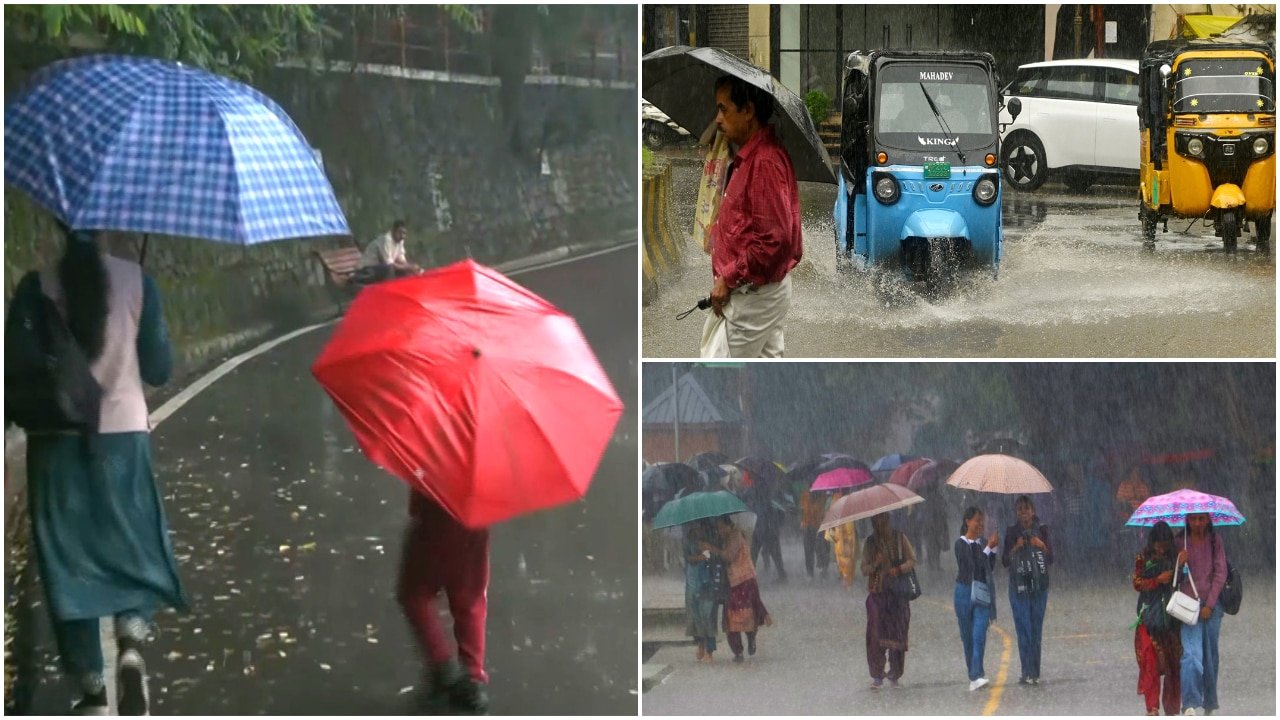
Monsoon Intensity Intensifies: IMD Issues Widespread Alerts Across Key Agricultural Belts
The India Meteorological Department (IMD) has issued a series of high-priority alerts today, July 13, as monsoon activity continues to intensify across the subcontinent. With a low-pressure system strengthening over several key regions, the weather bureau has forecasted widespread rainfall, ranging from moderate showers to heavy downpours. The current meteorological patterns suggest that the monsoon trough is actively positioned to bring significant precipitation to states that are vital to India’s agricultural output, including Uttarakhand, Punjab, Maharashtra, Kerala, Karnataka, and West Bengal.
For the national capital, Delhi, the forecast indicates a day of light, intermittent showers. While this will offer temporary relief from the recent humidity, the weather in other parts of the country remains significantly more volatile. The IMD has explicitly cautioned residents in high-rainfall zones to remain vigilant against potential waterlogging, flash floods, and the risks associated with active thunderstorms and lightning strikes.
Regional Breakdown: Heavy Rainfall and Storm Risks
The northern and western regions of India are facing a particularly active weather window. In Uttarakhand, the mountainous terrain remains highly susceptible to heavy rainfall, which frequently triggers landslides and disrupts transit routes. Local authorities have been placed on high alert as the saturation of soil increases the risk of slope instability in the Himalayan districts.
Simultaneously, Maharashtra is bracing for significant downpours. The IMD’s warnings for the state emphasize the potential for localized flooding in low-lying urban and rural areas. This rainfall is critical for the state’s kharif crops, yet the intensity of the precipitation poses immediate challenges for drainage and infrastructure. In the south, Kerala and Karnataka continue to experience robust monsoon conditions, essential for recharging groundwater levels and filling major reservoirs, though the intensity of the rain is expected to remain consistent throughout the day.
In the eastern sector, West Bengal is witnessing sustained monsoon activity, with heavy rainfall expected to cover various districts. The combination of moisture-laden winds from the Bay of Bengal and the established monsoon trough is creating a conducive environment for persistent cloud cover and repeated spells of rain, which may impact field activities for farmers currently in the middle of sowing operations.
The Monsoon Dynamics and Safety Protocols
The current weather pattern is characterized by high moisture transport, which is sustaining the intensity of the monsoon. Meteorologists note that the presence of thunderstorms and lightning is a common feature of this atmospheric instability. The IMD has advised the general public to avoid seeking shelter under isolated trees during thunderstorm activity and to stay updated via official weather bulletins.
For regions like Punjab, where agriculture is heavily dependent on the monsoon’s timing, the current precipitation is being closely monitored. While the rainfall is largely beneficial for the paddy crop, agricultural experts are watching for any signs of excessive water accumulation that could necessitate field management to prevent crop lodging or root rot. The IMD continues to track the movement of these weather systems in real-time, providing updates to minimize risks to life and property.
What This Means for Farmers
For the farming community, this period of intensified monsoon activity brings both opportunities and significant operational challenges. The primary concern during heavy rainfall is the management of field drainage. Farmers are advised to ensure that irrigation channels and drainage outlets are clear to prevent waterlogging, which can cause significant damage to young, sensitive crops.
- Crop Management: In areas expecting heavy rain, avoid fertilizer and pesticide applications for the next 48 hours. Rainfall will likely wash away inputs, leading to economic loss and potential environmental runoff.
- Livestock Safety: Ensure that livestock are housed in dry, elevated shelters. Intense monsoon rains often increase the prevalence of foot-rot and other moisture-related ailments in cattle; keeping bedding dry is essential.
- Sowing Progress: For farmers in regions where sowing is ongoing, monitor soil moisture levels closely. While the moisture is beneficial for germination, excessive saturation can lead to seed rotting. Adjust planting schedules if soil conditions become unworkable.
- Infrastructure Vigilance: Check the integrity of storage facilities for harvested produce or inputs. Ensure that grain storage areas are waterproofed to prevent moisture-induced spoilage.
- Market Coordination: Anticipate potential disruptions in transport and logistics. Heavy rain often hampers the movement of produce to local mandis; plan your harvest and transport logistics with a buffer for weather-related delays.
By staying proactive and aligning field activities with the latest IMD forecasts, farmers can mitigate the risks associated with this monsoon surge while capitalizing on the essential moisture needed for a successful kharif season.