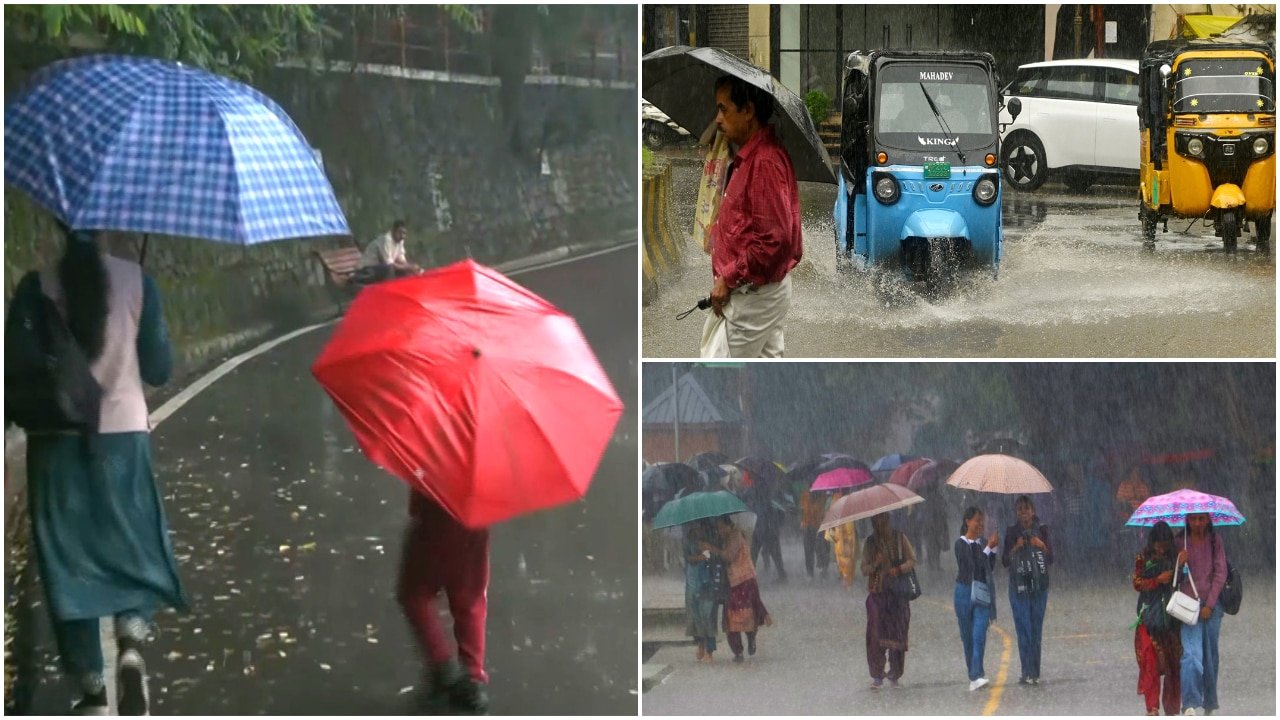
Meteorological Alert: Low-Pressure System in Bay of Bengal Triggers Widespread Rainfall Warnings
A significant weather disturbance is currently developing over the Bay of Bengal, prompting meteorological authorities to issue urgent alerts across several states. The low-pressure system, which has been intensifying over the past 48 hours, is expected to bring a surge of moisture-laden winds across the southeastern coastline. Forecasters have identified Andhra Pradesh and Telangana as the primary regions likely to experience the most significant impacts, with moderate to heavy rainfall predicted over the coming days.
This weather event comes at a critical juncture for the agricultural calendar. As the atmospheric pressure drops, the resulting cyclonic circulation is drawing moisture inland, creating conditions conducive to persistent cloud cover and sustained precipitation. For farmers currently managing standing crops, the sudden shift in weather patterns necessitates immediate attention to field drainage and moisture management protocols to mitigate the risk of waterlogging and crop damage.
Understanding the Atmospheric Dynamics
The current low-pressure system is characterized by its organized structure and steady movement toward the mainland. Meteorologists note that such systems often bring high-velocity winds alongside heavy precipitation, which can lead to localized flooding in low-lying areas. The primary concern for meteorologists is the potential for the system to stall or slow down as it interacts with the topography of the Eastern Ghats, which could result in prolonged periods of rainfall in specific districts.
The moisture incursion from the Bay of Bengal is not limited to coastal zones; the system’s influence is expected to extend well into the interior regions of Telangana. This broad coverage means that a wide variety of cropping systems—ranging from paddy and maize to various pulse crops—will be exposed to the elements simultaneously. The intensity of the rainfall is expected to vary, with some areas receiving sustained, moderate showers while others may face intense, short-duration downpours that can lead to rapid soil saturation.
Infrastructure and Soil Management Concerns
The primary challenge posed by this weather event is the management of soil moisture levels. Heavy rainfall in a short timeframe can lead to nutrient leaching, where essential minerals are washed away from the root zone, potentially impacting plant health and yield potential. Furthermore, saturated fields increase the risk of fungal pathogens and bacterial blights, which thrive in high-humidity, wet-canopy conditions.
Beyond the immediate threats to plant biology, the weather alert highlights the vulnerability of agricultural infrastructure. Irrigation channels, drainage ditches, and farm access roads may face temporary disruptions. In regions where harvesting operations are currently underway or imminent, the threat of moisture damage to harvested produce—or the inability to transport goods to market due to road conditions—represents a significant logistics hurdle. Growers are being advised to monitor local weather updates closely as the system progresses and to adjust their field activities to account for the incoming atmospheric instability.
What This Means for Farmers
The transition into this high-precipitation phase requires proactive management to minimize potential losses. Farmers are encouraged to take the following steps to protect their operations:
- Prioritize Drainage: Ensure that all field drainage channels are clear of debris. In flat-land farming, creating temporary diversion furrows can help prevent water from pooling around the base of sensitive crops.
- Harvest Expediency: For those in the final stages of crop maturity, accelerate harvesting efforts if weather conditions permit. If crops must remain in the field, prioritize the protection of stored produce in moisture-controlled environments.
- Monitor for Disease: Post-rain, fields should be scouted for signs of fungal infection. Increased humidity often triggers outbreaks of leaf spot or root rot; preventive application of fungicides may be necessary in high-risk areas once the weather clears.
- Nutrient Management: Be aware that heavy rainfall can cause nitrogen leaching. Soil testing or the application of supplemental nutrients may be required later in the season to compensate for the loss of soil fertility caused by excessive water runoff.
- Stay Informed: Rely on official meteorological updates rather than anecdotal reports. Coordinate with local agricultural extension offices for localized advice on crop-specific protective measures as the system moves inland.
While the rainfall may provide a necessary boost to water reservoirs, the immediate focus must remain on safeguarding standing crops and infrastructure against the risks associated with this intense weather system. By taking preemptive action, producers can significantly reduce the impact of these extreme weather fluctuations on their bottom line.