Critical Infrastructure Gaps Exposed as Floodwaters Isolate Rural Gujarat
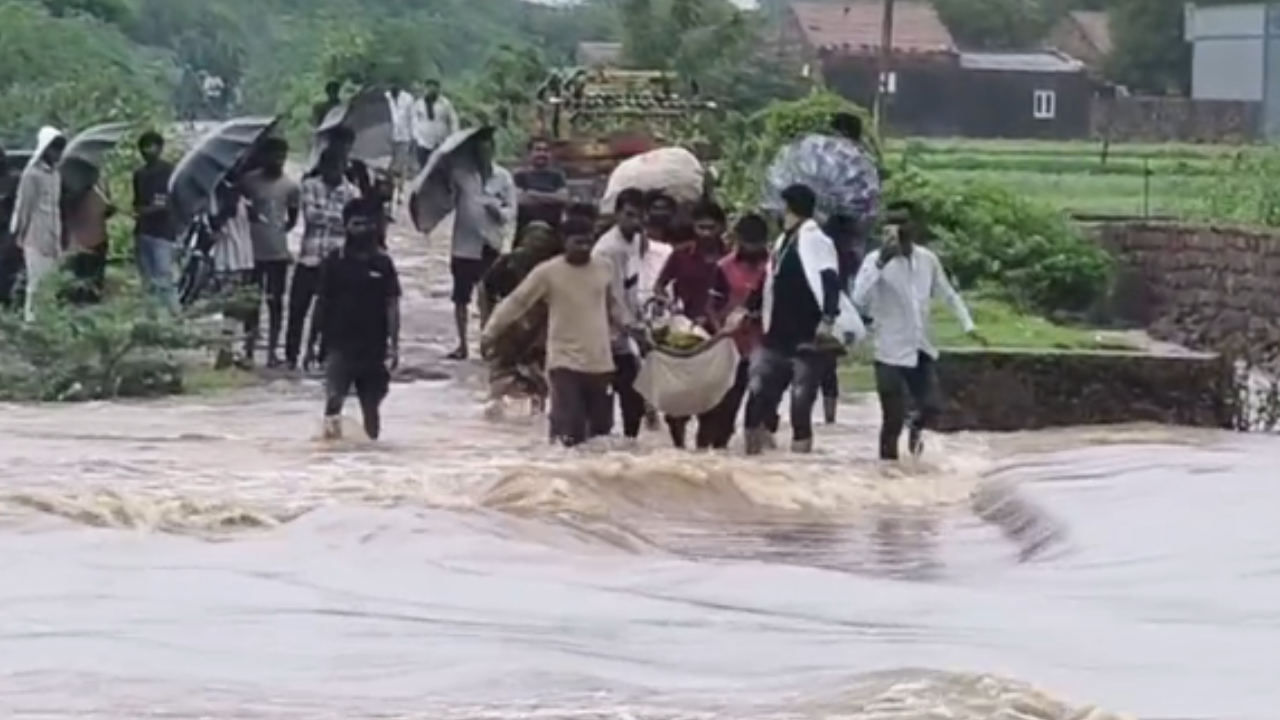
A distressing incident in rural Gujarat has once again brought the precarious state of rural connectivity into sharp focus. As heavy monsoon rains continue to batter the region, floodwaters have breached critical access routes, effectively severing a remote village from the surrounding district. The situation reached a breaking point this week when a pregnant woman, requiring urgent medical attention, was forced to be transported across inundated terrain in a makeshift sling, carried by local residents over several kilometers of treacherous, waterlogged ground.
The harrowing journey underscores the persistent vulnerability of rural hinterlands during the monsoon season. While local authorities often issue warnings and monitor major river systems, the "last mile" of connectivity—the network of dirt tracks and seasonal bridges connecting small farming communities to primary asphalt roads—frequently remains the most fragile link in the chain. When these pathways are submerged, the logistical reality for residents shifts from routine travel to high-stakes survival.
The Persistent Challenge of Rural Connectivity
The isolation of this village is not an isolated event but a systemic challenge faced by agricultural communities across the state. In many parts of Gujarat, the geography of the hinterland relies on low-lying causeways and earthen roads that are designed for dry-weather transit. During extreme weather events, these structures are often the first to fail, submerged by flash floods or eroded by intense surface runoff.
Agricultural experts note that the lack of all-weather road connectivity acts as a severe bottleneck for rural development. Beyond the obvious dangers during medical emergencies, these breaks in infrastructure disrupt the supply chain for essential inputs like fertilizers and seeds, and prevent farmers from reaching local markets during the critical harvest window. When transit is interrupted, the socio-economic vitality of the village stalls, creating a cascading effect that impacts everything from education to healthcare access.
While government initiatives like the Pradhan Mantri Gram Sadak Yojana (PMGSY) have made significant strides in connecting rural habitations, the sheer scale of the landscape and the increasing frequency of extreme weather events mean that many areas remain underserved. The reliance on makeshift solutions—such as the sling used in this instance—highlights the gap between the infrastructure currently in place and the infrastructure required to withstand the realities of an evolving climate.
Logistical Barriers to Emergency Response
The incident also raises questions about the coordination between local disaster management cells and remote village councils. In rural settings, emergency response is often decentralized, relying heavily on community willpower and local knowledge. While community resilience is a hallmark of the Indian agrarian spirit, it is not a substitute for formal emergency services.
The inability of ambulances to reach the village underscores the necessity for more robust disaster preparedness plans at the panchayat level. This includes the mapping of critical high-risk zones, the pre-positioning of emergency supplies, and the development of contingency routes. Without these structural safeguards, rural citizens are forced to bear the physical and psychological burden of a failing transport network during their most vulnerable moments.
What This Means for Farmers
For the farming community, the implications of this incident extend far beyond the immediate medical emergency. The breakdown of rural connectivity serves as a stark reminder of the economic risks associated with climate-induced isolation:
- Market Disruption: When floodwaters cut off access routes, farmers lose the ability to move perishable produce to market hubs. This often leads to significant post-harvest losses and a forced reliance on local middlemen who may offer lower prices due to the lack of competitive options.
- Input Access: Delays in the transport of essential agricultural inputs can lead to missed planting windows or delayed application of fertilizers, potentially impacting crop yields for the entire season.
- Risk Management: Farmers should proactively engage with local panchayat offices to document vulnerable access points in their areas. Reporting these bottlenecks to district officials before the peak of the monsoon can help in prioritizing the construction of raised causeways or reinforced culverts.
- Community Coordination: This event highlights the importance of maintaining community-led emergency communication networks. Establishing a village-level disaster response team that coordinates with the nearest Primary Health Center (PHC) can help in mobilizing resources faster, even when conventional transport is compromised.
Ultimately, the incident in Gujarat serves as a sobering call to action for policymakers to prioritize climate-resilient infrastructure. As extreme weather events become more frequent, the safety and economic stability of rural India will depend on the strength of the roads that connect them to the rest of the nation.