Severe Weather Systems Bring Disruptions Across Uttar Pradesh
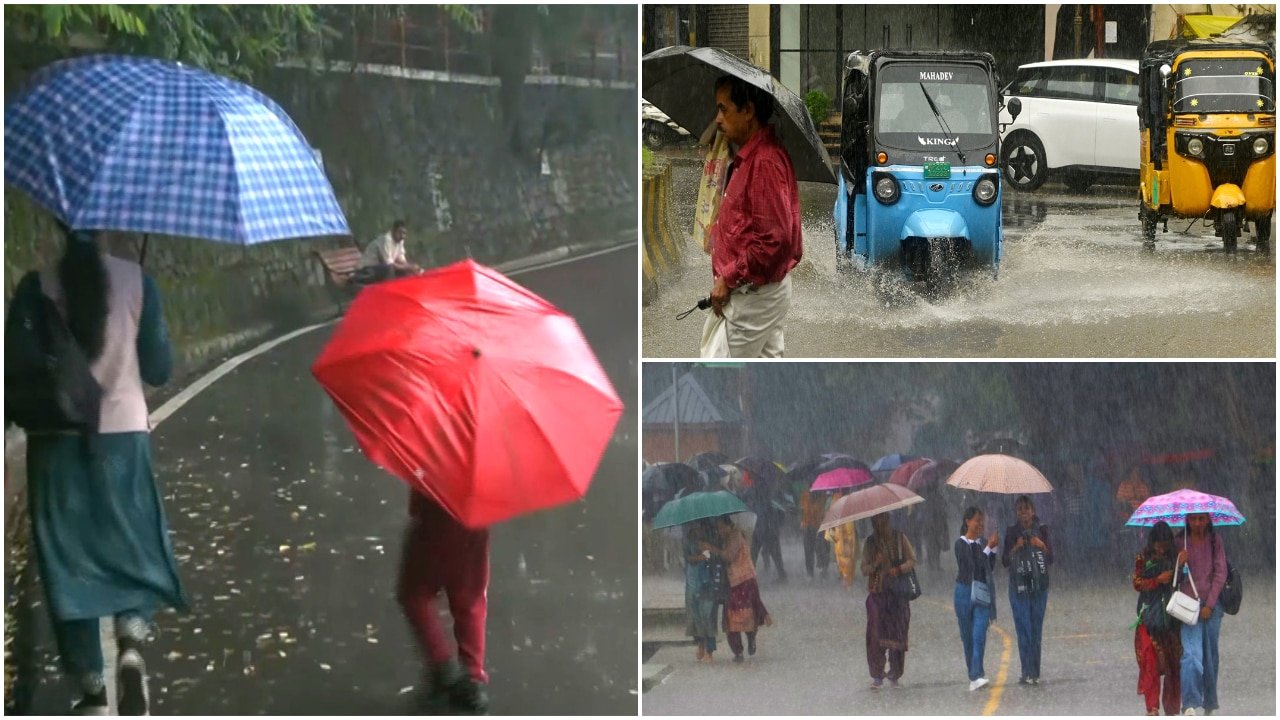
The India Meteorological Department (IMD) has issued a high-alert bulletin for Uttar Pradesh as a series of intense weather systems continue to traverse the region. Eastern districts, in particular, are bearing the brunt of sustained heavy rainfall, accompanied by localized thunderstorms and high-velocity winds. This meteorological volatility has triggered widespread disruption, impacting everything from urban infrastructure to rural agricultural operations, as the state grapples with persistent precipitation that shows little sign of immediate abatement.
Meteorological experts attribute the current instability to a convergence of moisture-laden winds from both the Bay of Bengal and the Arabian Sea, which have intensified over the Gangetic plains. While the western districts of the state are experiencing sporadic showers and overcast conditions, the eastern corridor has been placed under a more stringent advisory. The IMD’s latest forecast warns that the combination of convective activity and atmospheric pressure variations will likely sustain these turbulent conditions, necessitating heightened vigilance from both local authorities and the general public.
Infrastructure and Agricultural Impacts of Sustained Rainfall
The ongoing deluge has raised significant concerns regarding regional infrastructure and the stability of the agricultural sector. In many eastern districts, the intensity of the rainfall has led to localized waterlogging in low-lying areas, complicating logistics and transport. For the farming community, the timing of these weather events is critical. Persistent rain during this phase of the season can lead to soil saturation, which complicates field access and may delay essential post-harvest activities or land preparation for subsequent sowing cycles.
Furthermore, the accompanying thunderstorms and gusty winds pose a direct physical threat to standing crops. High-velocity winds can cause lodging—the bending or breaking of stalks—which significantly reduces yield quality and complicates mechanical harvesting. Beyond the immediate physical damage, the increased humidity levels and prolonged moisture create an environment conducive to the proliferation of fungal pathogens and pests. Agronomists emphasize that once the skies clear, farmers will need to be particularly observant of crop health, as the risk of blight and root-related diseases rises sharply in water-logged soils.
Managing Exposure to Extreme Weather Events
The IMD has urged residents in affected areas to remain indoors during peak thunderstorm activity, highlighting the danger posed by lightning strikes and falling debris. Local emergency services have been placed on standby, with advisories issued to ensure that electrical systems are protected from potential surges and that drainage systems are kept clear to mitigate the risk of flash flooding. The unpredictability of these convective storms means that conditions can deteriorate rapidly, making real-time monitoring of weather updates essential for those living in vulnerable zones.
What This Means for Farmers
For the agricultural sector, these weather patterns necessitate a shift toward proactive risk management. The primary concern is the management of excess moisture; farmers are encouraged to ensure that field drainage channels are functioning correctly to prevent prolonged water stagnation, which can lead to rapid crop decay and nutrient leaching.
Actionable advice for the coming days includes:
- Post-Storm Scouting: Once the immediate threat of wind and rain subsides, conduct a thorough assessment of crop stands. Look for signs of lodging or mechanical damage that may require corrective intervention.
- Disease Monitoring: Increased humidity is a precursor to fungal outbreaks. Consult with local agricultural extension offices regarding the prophylactic application of fungicides if weather conditions remain damp for an extended period.
- Protecting Harvested Produce: If any produce has already been harvested, ensure it is stored in dry, elevated, and well-ventilated areas to prevent spoilage from moisture ingress.
- Economic Vigilance: Stay informed regarding local market disruptions. Heavy rain often impacts rural logistics, which may cause temporary volatility in the availability of inputs or the ability to transport goods to regional mandis.
While the rainfall may provide necessary moisture for certain soil profiles, the current intensity levels require caution. Farmers should maintain close contact with regional agricultural advisory services and utilize localized weather apps to plan field activities safely during this period of atmospheric instability.