Monsoon Resurgence: Uttar Pradesh Braces for Widespread Rainfall
Farmers and residents across Uttar Pradesh are preparing for a significant shift in weather patterns as meteorological authorities have issued a comprehensive alert for renewed monsoon activity. After a period of relative stabilization, atmospheric conditions are shifting to favor a fresh surge of moisture, with heavy rainfall expected to sweep across the state starting this Monday. The alert encompasses approximately 60 districts, including the capital city of Lucknow, signaling a broad-spectrum weather event that is expected to persist for at least five consecutive days.
The India Meteorological Department (IMD) has indicated that the trough line associated with the monsoon is currently shifting, creating a favorable environment for moisture-laden winds from the Bay of Bengal to penetrate deeper into the Indo-Gangetic plains. This meteorological development is anticipated to bring much-needed relief to regions that have experienced fluctuating precipitation levels over the past few weeks. As the monsoon enters this active phase, the state administration has advised district authorities to remain vigilant, particularly regarding low-lying areas that may be susceptible to localized waterlogging.
Understanding the Shift: Meteorological Drivers and Regional Impact
The transition toward more aggressive monsoon conditions is being driven by a combination of low-pressure areas and the alignment of wind patterns that facilitate cloud formation over Northern India. While the intensity of the rainfall will vary by district, the forecast suggests that the precipitation will not be isolated but rather widespread, covering a significant portion of the state’s agricultural belt.
For regions like Lucknow and the surrounding central plains, this period of rain is critical. The monsoon, which often exhibits a "break" phase in mid-summer, appears to be entering a robust replenishment stage. Experts suggest that such sustained rainfall over a five-day window is essential for maintaining soil moisture levels and replenishing local water reservoirs, which are vital for the state's irrigation infrastructure. However, the intensity of the downpours will be the primary variable monitored by local agricultural extensions to ensure that saturation levels do not reach a point of crop stress.
The August Outlook: Navigating Monsoon Volatility
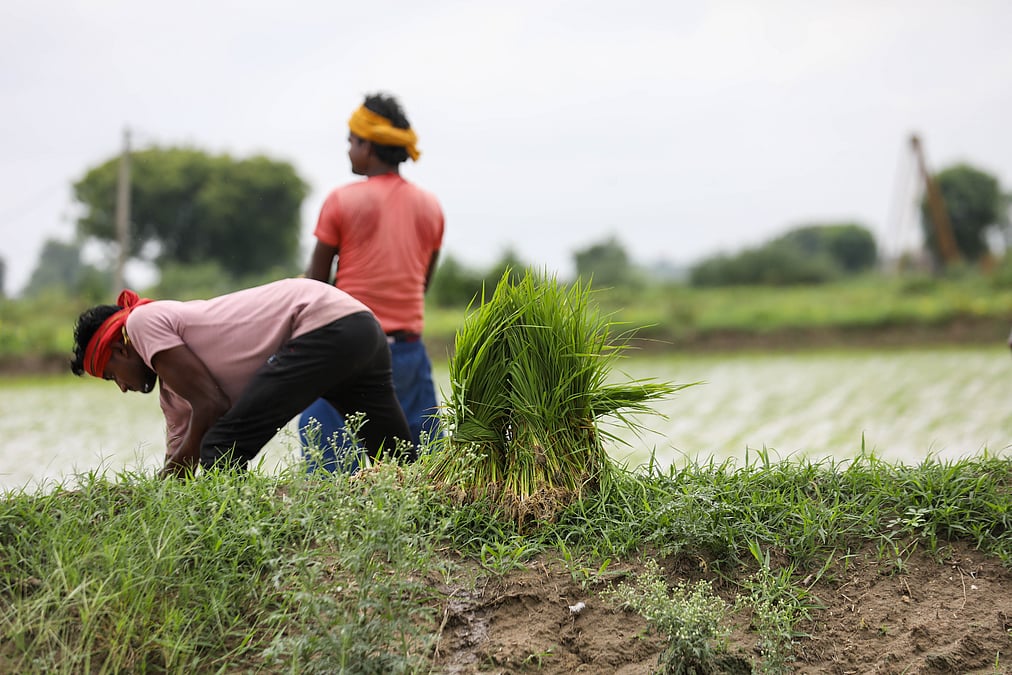
As the calendar turns toward August, the primary question for the agricultural community remains the long-term sustainability of these rains. Historically, August is a pivotal month for the Kharif crop cycle, particularly for paddy cultivation, which requires consistent water availability during the vegetative growth phase. The current five-day forecast is seen as a positive indicator for August, suggesting that the monsoon system remains active and capable of delivering the necessary rainfall throughout the peak of the season.
While the immediate outlook is for heavy rain, meteorologists emphasize that the erratic nature of the monsoon requires farmers to stay updated with daily regional forecasts. The potential for heavy rainfall episodes interspersed with humid, sunny intervals creates a specific micro-climate that can influence pest and disease pressure in standing crops. Consequently, the state’s agricultural departments are encouraging farmers to monitor their fields closely for signs of fungal growth or nutrient leaching, which can occur following heavy, sustained precipitation.
What This Means for Farmers
The arrival of heavy, sustained rain brings both opportunities and operational challenges for the farming community. To manage the upcoming weather shift effectively, farmers should consider the following practical steps:
- Field Drainage Management: Ensure that irrigation channels and drainage outlets are clear of debris. Preventing waterlogging is paramount, particularly for young paddy crops and vegetable patches, which can suffer from root rot if submerged for extended periods.
- Fertilizer Application Timing: Avoid spreading granular fertilizers immediately before heavy rain, as excessive runoff can lead to significant nutrient loss. It is advisable to wait until the ground has absorbed the initial surge of moisture to ensure better uptake by the crop.
- Pest and Disease Monitoring: High humidity and consistent rainfall create ideal breeding conditions for various fungal pathogens and pests. Farmers should conduct field inspections once the weather clears to identify early symptoms of blight or pest infestation and consult with local agricultural extension officers regarding appropriate, timely mitigation strategies.
- Harvesting Logistics: For farmers currently in the process of harvesting any early-season produce, the rain alert necessitates an accelerated effort to secure crops and protect post-harvest yields from moisture damage. If possible, utilize covered storage facilities to prevent spoilage.
- Strategic Water Storage: Where infrastructure allows, utilize this period of heavy rain to harvest runoff in on-farm ponds or tanks. This stored water can serve as a vital buffer should the monsoon experience another brief "break" period later in the month.
By proactively managing these factors, farmers can maximize the benefits of the incoming monsoon rains while mitigating the risks associated with volatile weather patterns, ultimately positioning themselves for a more stable and productive harvest season.