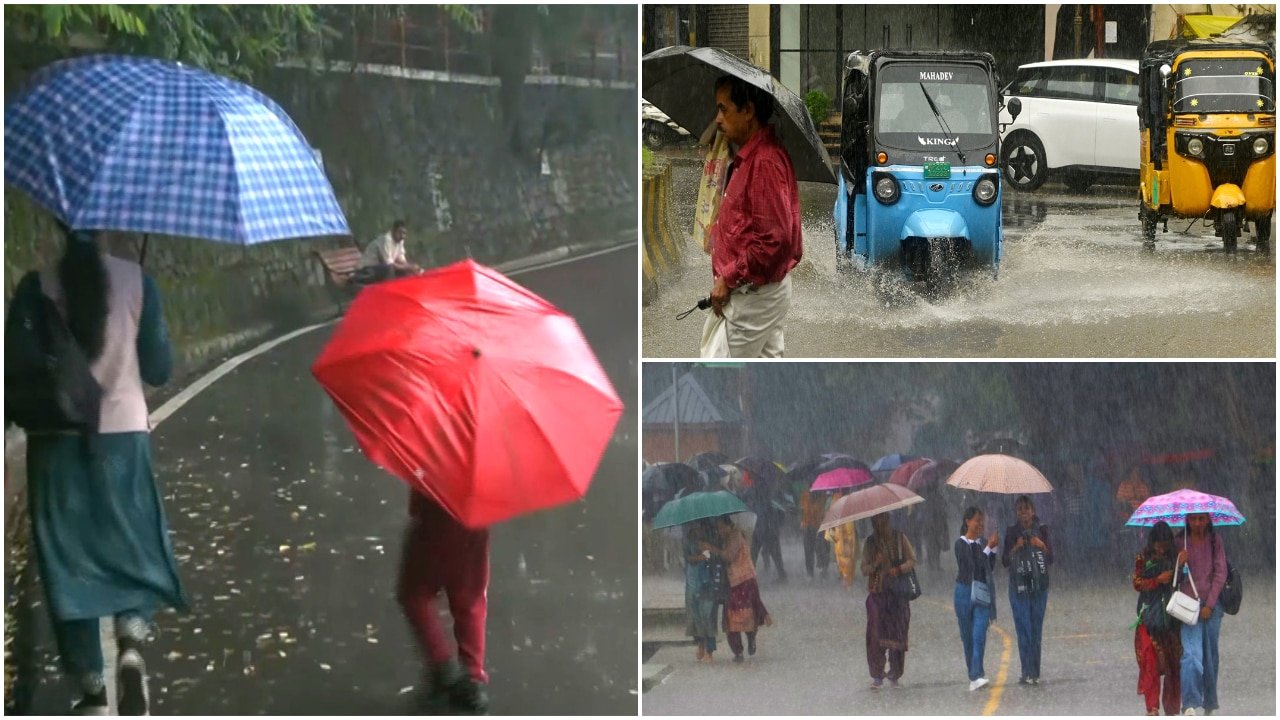
Monsoon Revival: Uttar Pradesh Prepares for Significant Rainfall Surge Starting August 13
The India Meteorological Department (IMD) has issued a significant weather alert for Uttar Pradesh, signaling a major revival of monsoon activity across the state beginning August 13. After a period of relative atmospheric stagnation that left many districts grappling with high humidity and erratic precipitation patterns, the state is expected to transition into a phase of widespread, heavy rainfall. The meteorological shift is slated to begin in the eastern regions, specifically Purvanchal, before tracking westward and impacting the broader agricultural landscape of the Indo-Gangetic plain.
This anticipated weather system is the result of a shifting monsoon trough and favorable synoptic conditions that are expected to draw moisture-laden winds from the Bay of Bengal into the heart of the state. For a region where the agricultural calendar is intrinsically linked to the rhythm of the monsoon, this forecast serves as a critical turning point for both field management and water resource planning.
Synoptic Conditions and Regional Impact
Meteorologists tracking the system indicate that the monsoon trough, which had drifted north toward the Himalayan foothills, is returning to a more favorable position over the plains. This migration is the primary driver behind the forecast of moderate to heavy rainfall. While the revival is expected to commence in Purvanchal, the IMD anticipates that the intensity of the downpours will spread across central and western Uttar Pradesh over the subsequent 48 to 72 hours.
The nature of this rainfall is expected to be consistent rather than ephemeral, which is generally more beneficial for deep-soil moisture recharge. However, the intensity of the precipitation in certain pockets may lead to localized waterlogging, particularly in low-lying areas that have struggled with drainage infrastructure in previous seasons. Farmers are advised to monitor local weather bulletins closely, as the IMD has suggested that these weather systems can fluctuate in intensity based on the interaction between the low-pressure area and local topographic features.
Managing Crop Health During Heavy Precipitation
The sudden influx of heavy rain following a dry spell requires a recalibration of field management strategies. For farmers engaged in the cultivation of paddy, the arrival of these rains is timely, as the crop is currently in a critical vegetative growth stage that demands consistent water availability. Sufficient rainfall will help reduce the reliance on supplemental irrigation, thereby lowering operational costs related to diesel and electricity consumption for pump sets.
However, the risks associated with high-intensity rainfall cannot be ignored. Excessive standing water in fields where crops are not water-tolerant can lead to root rot and nutrient leaching. Agronomists emphasize the importance of ensuring that field drainage channels are clear and functional before the onset of the heavy spells. Furthermore, this type of humid environment is highly conducive to the rapid spread of fungal pathogens and certain pest populations. Proactive scouting for signs of blight, leaf spot, or pest infestation in the days following the onset of rain will be essential to preventing yield losses.
What This Means for Farmers
The upcoming monsoon revival presents a mix of economic opportunities and logistical challenges for the farming community. To navigate this period effectively, growers should consider the following actionable steps:
- Optimize Irrigation Management: With heavy rain on the horizon, farmers should immediately suspend scheduled irrigation for crops like sugarcane and maize to prevent waterlogging. Reducing artificial water input will not only save on energy costs but also prevent the saturation of soil, which can lead to root suffocation.
- Prioritize Drainage Infrastructure: Before the rains intensify on August 13, ensure that all peripheral drainage canals and field outlets are unobstructed. Proper drainage is the most effective defense against the negative impacts of heavy, concentrated rainfall.
- Monitor for Disease Outbreaks: High humidity and moisture are primary catalysts for fungal diseases. Keep a close watch on crop foliage. If conditions remain wet for an extended period, consult with local agricultural extension officers regarding the timing of preventative fungicide applications, ensuring that any chemical use is compliant with safety guidelines.
- Protect Harvested Produce: For farmers who may have recently harvested early-maturing crops or vegetables, ensure that all produce is stored in dry, elevated, and well-ventilated structures. Moisture damage to stored grain or vegetable stock can lead to significant post-harvest losses and rapid spoilage.
- Stay Informed: Weather patterns during the monsoon can shift rapidly. Rely on official IMD updates and district-level agricultural advisories rather than speculative information. Utilizing SMS-based agricultural alert services provided by state departments can provide real-time guidance tailored to specific micro-climates.
By taking these precautionary measures, the agricultural community can mitigate the risks associated with the upcoming weather volatility and effectively leverage the moisture to boost overall productivity for the current Kharif season.