The Ukai-Kakrapar Multipurpose Project: A Pillar of Gujarat’s Economic Stability
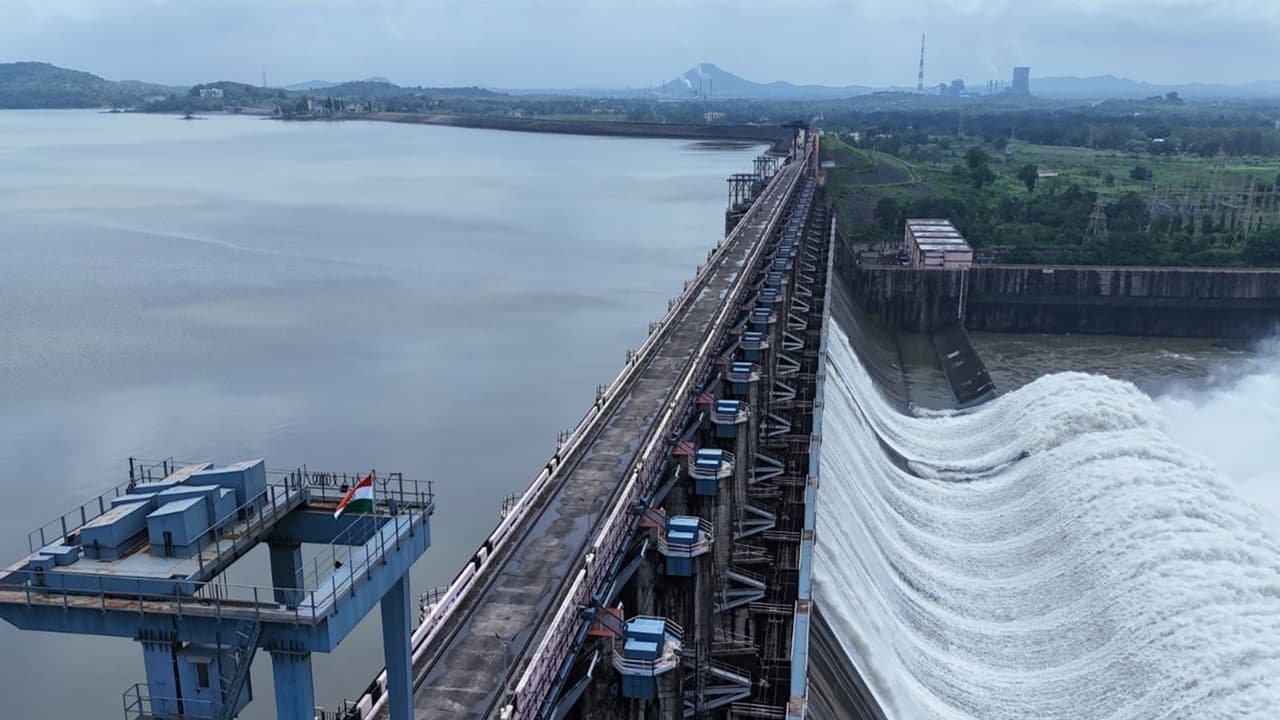
In the fertile landscape of Gujarat, the Ukai-Kakrapar Multipurpose Project stands as a testament to the transformative power of integrated water resource management. Spanning the Tapi River, this ambitious infrastructure endeavor has evolved far beyond its original mandate of flood control and irrigation. Today, it serves as the essential backbone for the region’s agricultural productivity, industrial output, and energy security, anchoring the economic prosperity of the Surat district and its surrounding areas.
The project, which integrates the massive Ukai Dam with the downstream Kakrapar weir, represents a sophisticated system of hydraulic engineering. By regulating the flow of the Tapi River, the project effectively mitigates the seasonal volatility of monsoon rainfall, ensuring that water remains a reliable asset rather than a source of disaster. As Gujarat continues to undergo rapid industrialization and agricultural modernization, the consistent availability of water provided by this system remains critical to sustaining the state's growth trajectory.
Synergizing Water Resources for Energy and Industry
The true genius of the Ukai-Kakrapar Project lies in its multifunctional utility. While water management is the primary objective, the facility plays a pivotal role in powering the state’s grid. The reservoir serves as a critical source for thermal, hydroelectric, and atomic power generation. By providing the necessary cooling water for thermal and nuclear power stations, the project ensures that the lights stay on across the industrial hubs of Southern Gujarat.
Hydroelectric power generated directly at the dam sites provides a clean, renewable energy source that helps balance the state’s energy mix. This integration of water and energy infrastructure creates a symbiotic relationship: the water stored for agricultural and municipal use is simultaneously harnessed to drive turbines, maximizing the economic return on every cubic meter of water managed by the system. Furthermore, the reliable supply of industrial-grade water has enabled the establishment of diverse manufacturing sectors in the region, which rely on the project's consistent flow to maintain uninterrupted production cycles.
Securing Agricultural Productivity and Regional Resilience
At the heart of the Ukai-Kakrapar project is its contribution to the agricultural sector. The extensive canal network fed by the project provides life-sustaining irrigation to hundreds of thousands of hectares of farmland. By transitioning farmers from a reliance on unpredictable rain-fed agriculture to a stable, canal-based irrigation system, the project has allowed for the diversification of crops and the adoption of more intensive farming practices.
This water security has empowered farmers to move beyond subsistence farming, enabling the cultivation of water-intensive cash crops that contribute significantly to the state's export and domestic food markets. Furthermore, the project’s flood control mechanisms protect these high-value agricultural lands from the devastating effects of the Tapi River's potential overspill during peak monsoon months. This dual benefit of irrigation and protection creates a stable environment that encourages long-term investment in soil health, modern machinery, and high-yield crop varieties.
What This Means for Farmers
For the agricultural community, the Ukai-Kakrapar Project represents a transition from vulnerability to strategic planning. The practical implications of this infrastructure include:
- Predictable Crop Planning: With the assurance of canal water, farmers can plan their planting cycles with greater precision, reducing the risks associated with delayed or erratic monsoons.
- Crop Diversification: The availability of reliable irrigation allows for the shift toward more profitable, high-demand crops, which can significantly improve farm-gate income and household financial stability.
- Enhanced Land Value: Properties serviced by the project's canal infrastructure benefit from higher appraisal values and increased interest from agribusinesses looking for consistent production environments.
- Water Stewardship: While the project provides a steady supply, farmers are encouraged to adopt efficient irrigation technologies—such as drip or sprinkler systems—to ensure that this precious resource is used sustainably, preventing waterlogging and soil salinization in the command area.
- Long-term Economic Resilience: By mitigating the risks of both drought and flood, the project provides a safety net that allows farmers to take calculated risks in modernizing their operations, ultimately leading to a more robust and professionalized agricultural sector.
Ultimately, the Ukai-Kakrapar Project is more than just concrete and steel; it is a vital organ in Gujarat’s economic body. For those tilling the land, it provides the essential certainty needed to cultivate a prosperous future in an increasingly complex and demanding agricultural market.