Monsoon Surge Brings Widespread Rainfall Across India’s Agricultural Heartland
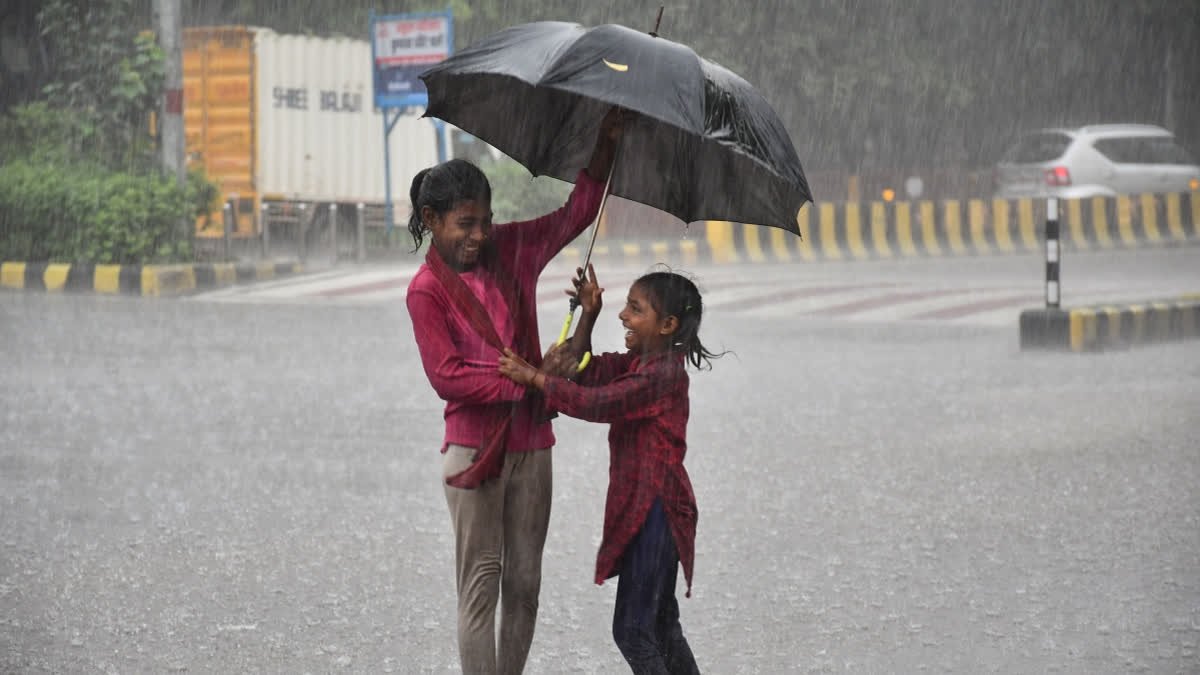
The agricultural landscape across northern, eastern, and central India is currently undergoing a significant transformation as an active monsoon trough, coupled with multiple upper-air cyclonic circulations, triggers widespread and sustained rainfall. This meteorological phenomenon, which peaked in intensity early this week, has brought much-needed moisture to regions that have been closely monitoring the progress of the monsoon season. In Prayagraj, the shift in weather patterns was marked by persistent showers on Monday, July 20, 2026, where residents—including local youth seeking respite from the preceding heat—observed the arrival of consistent, life-sustaining precipitation.
The current weather system is characterized by a complex interaction between a well-defined monsoon trough and atmospheric instabilities. Meteorologists note that these cyclonic circulations are playing a pivotal role in pulling moisture-laden winds from the Bay of Bengal deeper into the interior of the subcontinent. This influx of humidity is not only dampening the soil but is also contributing to a broader stabilization of the monsoon's trajectory, which is vital for the health of the upcoming kharif crop cycle.
Agronomic Impacts of Sustained Precipitation
For the farming communities across the Indo-Gangetic plains and central plateau, this period of intensified rainfall serves as a critical turning point. The moisture is essential for the vegetative growth phase of primary kharif crops, including paddy, pulses, and oilseeds. Adequate soil moisture levels at this stage are fundamental to ensuring that crops can establish robust root systems, which will later support high yields during the grain-filling phase.
Beyond the immediate hydration of crops, these rainfall events are instrumental in replenishing groundwater tables and filling irrigation reservoirs. In many districts, the reliance on supplemental irrigation can be temporarily eased, reducing the operational costs associated with diesel-powered pump sets and electricity consumption. However, experts caution that while the rain is beneficial, the intensity of cyclonic-driven weather can occasionally lead to localized waterlogging in low-lying fields. Proper field drainage management remains a priority for farmers as they navigate the remainder of the monsoon months.
Soil Nutrient Dynamics and Pest Management
The influx of consistent rainfall also triggers significant shifts in soil chemistry. While rain facilitates the leaching of nutrients to the root zone, making them more bioavailable to plants, it also necessitates careful monitoring of nitrogen loss. Excessive saturation can lead to the denitrification of urea-based fertilizers, potentially reducing their efficacy. Agronomists recommend that farmers time their top-dressing applications to coincide with windows of dry weather to maximize nutrient uptake and minimize environmental runoff.
Furthermore, the high humidity levels associated with the current monsoon trough create an environment conducive to the proliferation of certain fungal diseases and pests. Increased cloud cover and persistent moisture can accelerate the spread of leaf blight and stem borers in paddy crops. Agricultural extensions are advising producers to maintain regular scouting schedules and to have preventative biological or chemical control measures ready should the pathogen pressure exceed economic thresholds.
What This Means for Farmers
The current meteorological trend presents both opportunities and challenges for producers. To maximize the benefits of this monsoon phase, farmers should consider the following actionable strategies:
- Water Management: Ensure that field channels are clear to prevent waterlogging. In areas with high clay content, prioritize drainage to protect root health from oxygen deprivation.
- Nutrient Efficiency: Avoid applying fertilizers immediately before forecasted heavy downpours. Split-application of nitrogenous fertilizers is highly recommended to ensure sustained availability throughout the growth cycle.
- Integrated Pest Management (IPM): Monitor fields closely for early signs of fungal infections. High-humidity conditions often favor rapid disease progression; early detection is the most effective way to minimize crop loss.
- Resource Planning: Use the reduction in irrigation demand to perform maintenance on farm machinery and irrigation infrastructure. The energy savings realized during this rainy period should be budgeted for potential late-season requirements if the monsoon enters a dry spell.
- Data Utilization: Stay updated with regional agro-met advisories. Localized weather forecasts provide critical data that can help in timing field operations, such as weeding or pesticide application, to ensure maximum success and efficiency.
As the monsoon trough continues to shift, the focus for the farming sector must remain on proactive adaptation. By balancing the immediate benefits of soil moisture with diligent crop protection practices, farmers can effectively leverage these weather patterns to secure a productive harvest.