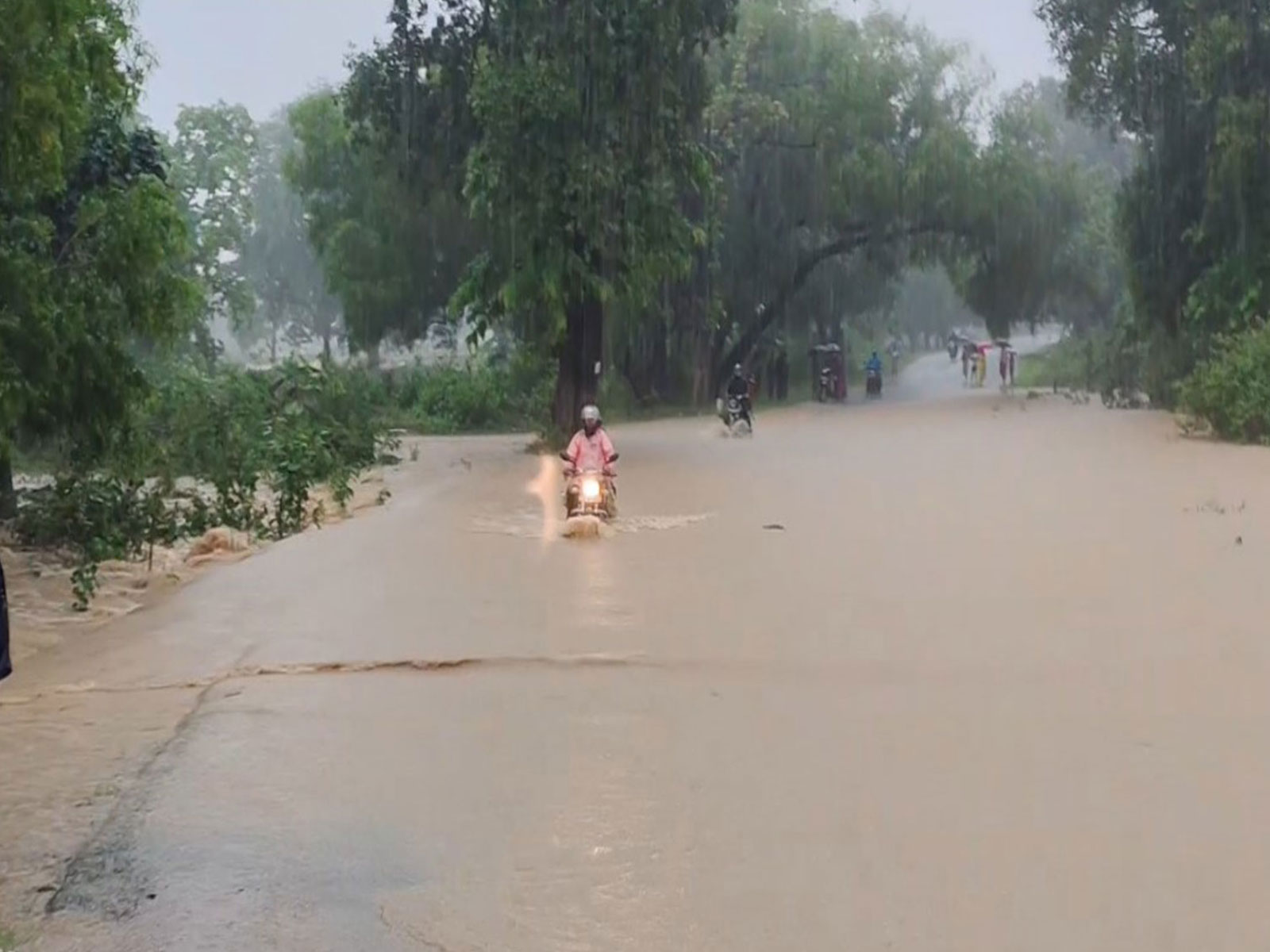
Tragedy Strikes Narayanpur: Flash Floods Leave Trail of Destruction in Chhattisgarh
The Narayanpur district of Chhattisgarh is currently grappling with the aftermath of severe weather events that have resulted in tragic loss of life and significant structural devastation. Following a period of unrelenting monsoon rainfall, local authorities have confirmed that two young girls have lost their lives in the deluge, while the physical landscape of the region has been fundamentally altered by flash flooding and waterlogging.
The intensity of the rainfall, which overwhelmed local drainage systems and saturated the soil beyond its capacity, has led to the collapse or severe structural compromise of more than 50 residential dwellings. As the waters begin to recede, the scale of the humanitarian and infrastructural crisis is becoming increasingly clear, with scores of families now displaced and seeking shelter in temporary relief camps established by the local administration.
Infrastructure and Agricultural Vulnerability in the Monsoon Season
The topography of Narayanpur, characterized by its undulating terrain and reliance on traditional drainage patterns, often leaves it susceptible to sudden water accumulation during peak monsoon months. When rainfall exceeds seasonal averages, the impact is rarely limited to residential areas; it extends to the very foundation of the local economy: agriculture.
The recent flooding has caused extensive damage to rural infrastructure, including the erosion of critical access roads and the inundation of low-lying agricultural fields. For farming communities, such events are particularly devastating. The standing crops, which require careful soil moisture management, are now at risk of root rot and nutrient leaching, while the silt deposition left behind by receding floodwaters can alter the soil composition and necessitate immediate remediation efforts.
Furthermore, the destruction of houses and outbuildings suggests a wider vulnerability in rural housing standards when faced with extreme weather events. The loss of storage facilities for harvested grains, fertilizers, and essential farm machinery compounds the economic hardship for affected families, creating a ripple effect that threatens the stability of the upcoming planting season.
Emergency Response and the Challenge of Recovery
In response to the crisis, district officials and emergency response teams have been mobilized to conduct search and rescue operations, clear debris from blocked thoroughfares, and provide essential supplies to the displaced population. The priority remains the stabilization of the affected areas and the prevention of secondary health crises, such as waterborne diseases, which frequently follow flood events due to the contamination of local water sources.
While the immediate focus is on humanitarian relief, the long-term recovery will require a comprehensive assessment of the district’s climate resilience. This includes evaluating the integrity of existing embankments, the adequacy of rural drainage channels, and the accessibility of disaster insurance for smallholder farmers who have lost both their homes and their primary means of production.
What This Means for Farmers
For the farming community in Narayanpur and surrounding districts, these events serve as a sobering reminder of the increasing volatility of seasonal weather patterns. The practical impacts and necessary steps for recovery include:
- Immediate Field Sanitation: Farmers should prioritize the drainage of standing water from fields as quickly as possible to prevent permanent damage to root systems. Once fields are accessible, assess the need for fungicide applications if conditions have remained humid, as standing water significantly increases the risk of fungal outbreaks.
- Infrastructure Inspection: Before attempting to store new inputs or harvests, conduct a thorough structural audit of all barns, silos, and storage sheds. Water-damaged foundations can be deceptive and pose a significant safety risk to both personnel and stored assets.
- Soil Health Assessment: Flooding can strip topsoil of essential nutrients. Farmers are advised to consult with local agricultural extension offices to conduct soil testing before the next planting cycle to determine if supplemental fertilization or soil amendments are required to restore fertility.
- Documentation for Claims: It is imperative that farmers document all losses—including damage to crops, equipment, and housing—with photographs and written logs. This documentation is essential for accessing government relief packages or insurance claims that may be announced in the coming weeks.
- Long-term Adaptation: The recurring nature of these floods necessitates a shift toward climate-smart agricultural practices. This may include investing in improved land leveling, exploring flood-tolerant crop varieties, and participating in community-level water management initiatives to mitigate the impact of future extreme weather events.