Volatility on the Horizon: How Shifting Sowing Patterns Are Redefining India’s Food Inflation
India’s agricultural landscape is currently navigating a period of significant uncertainty as the interplay between erratic monsoon patterns and evolving crop choices begins to weigh on the domestic food inflation outlook. While the government and market analysts remain cautiously optimistic regarding near-term supply stability, the agricultural sector is bracing for potential price pressures in key commodities, specifically tur (pigeon pea), edible oils, and maize. These crops, which serve as the backbone of both household nutrition and industrial demand, are currently sensitive to a combination of delayed sowing cycles and global market volatility.
The current agricultural season has been characterized by uneven rainfall distribution, which has disrupted traditional sowing windows. When moisture levels are inconsistent during critical growth stages, the resulting yield gaps often create a ripple effect that extends far beyond the farm gate. As domestic producers contend with these environmental headwinds, the market is increasingly looking toward import parity and international commodity trends to balance the scales, setting the stage for a complex fiscal quarter ahead.
The Pulse and Oilseed Conundrum: Balancing Domestic Yields and Import Reliance
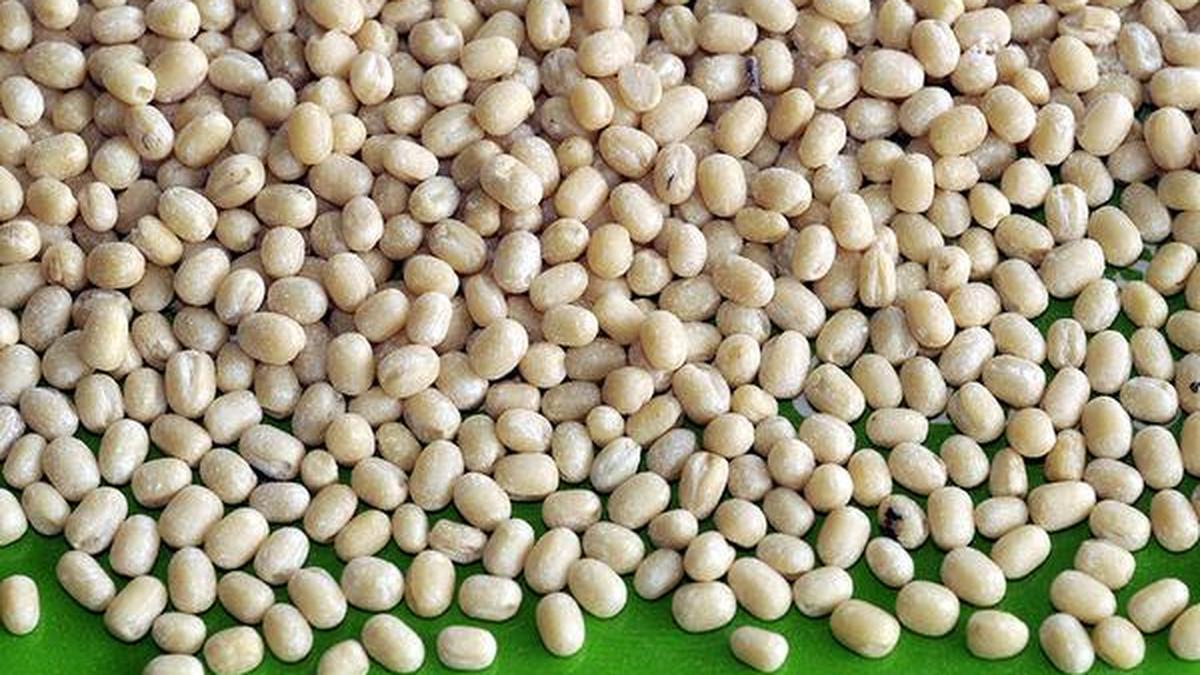
The market for pulses, particularly tur, remains under intense scrutiny as sowing delays threaten to tighten supplies. Pulses are highly sensitive to soil moisture levels, and any extension of the sowing window often results in a shorter vegetative growth phase, potentially impacting final output. Because India is a major consumer of pulses, even a marginal deficit in production can lead to significant price volatility. Traders are currently monitoring procurement data closely, aware that if domestic yields fail to meet the projected demand, the reliance on imports—often from volatile global markets—will increase, thereby exerting upward pressure on retail prices.
Simultaneously, the edible oil segment is grappling with a different set of challenges. India remains heavily dependent on the import of palm, sunflower, and soybean oils to meet its massive domestic consumption requirements. While global supply chains have largely stabilized, the domestic price outlook for edible oils is increasingly influenced by currency fluctuations. A weakening rupee makes imports more expensive, a cost burden that is inevitably passed down to the end consumer. Furthermore, if domestic oilseed acreage does not expand to compensate for yield variations, the country remains vulnerable to the price swings of the international commodities exchange, limiting the government's ability to control inflation through domestic supply-side interventions alone.
Maize Demand: The Industrial and Feed Sector Pressure Point
While pulses and edible oils are primary consumer staples, maize has emerged as a critical commodity that bridges the gap between agricultural output and industrial health. The demand for maize is bifurcated, driven by both the poultry and livestock feed industries and the rising requirements for ethanol production. As the government aggressively pursues its biofuel blending targets, industrial demand for maize has surged, creating a competitive environment for supply.
When sowing for maize is delayed or impacted by uneven rainfall, the resulting supply constraints do not just affect food prices; they inflate the cost of inputs for the animal husbandry sector. This creates a secondary inflationary effect, as the price of poultry and dairy products often follows the trajectory of feed costs. Market participants are observing that maize prices are staying firm, supported by this robust industrial appetite, which leaves very little room for price corrections even if monsoon conditions improve in the latter half of the season.
What This Means for Farmers
For the farming community, these market dynamics translate into both risks and opportunities that require strategic management. The current outlook suggests several key takeaways for producers:
- Focus on Crop Resilience: With rainfall patterns becoming increasingly unpredictable, farmers are encouraged to consult with local agricultural extension services regarding drought-tolerant or short-duration seed varieties that can better withstand erratic moisture cycles.
- Monitor Market Intelligence: Given that currency fluctuations and global import parity are driving domestic prices, farmers should avoid panic selling. Utilizing post-harvest storage facilities or participating in Farmer Producer Organizations (FPOs) can help in aggregating produce to negotiate better prices when market demand peaks.
- Diversification as a Hedge: The firm demand for maize, driven by the industrial and ethanol sectors, offers a potential avenue for income diversification. However, farmers must balance this against the input costs associated with intensive cultivation.
- Risk Management: As price volatility becomes a more permanent feature of the agricultural economy, staying informed about government procurement schemes and Minimum Support Prices (MSP) is essential. Engaging with formal market channels ensures that farmers are not overly reliant on intermediaries, allowing them to capture a larger share of the value chain as inflationary pressures push retail prices higher.
Ultimately, while the immediate supply outlook remains manageable, the structural shifts in sowing patterns and industrial demand mean that volatility is likely to persist. Farmers who prioritize crop health and informed market timing will be best positioned to navigate the challenges of the coming months.