The Resurgence of India’s Culinary Heritage: Why Traditional Snacks Are Making a Comeback
In an era dominated by processed, hyper-convenient snack foods, there is a quiet but powerful movement reclaiming the kitchen counter: the revival of India’s traditional "old school" snacks. These culinary staples, deeply rooted in regional geography and agricultural diversity, offer more than just flavor; they represent a narrative of resilience, seasonal wisdom, and the sophisticated use of indigenous ingredients. From the sun-drenched plains of the north to the coastal belts of the south, these snacks are a celebration of time-tested recipes that have survived the test of industrial modernization.
Unlike modern snack foods that often rely on synthetic preservatives and artificial flavor enhancers, traditional Indian snacks are built upon a foundation of whole grains, pulses, legumes, and natural sweeteners. The secret to their enduring appeal lies in the synergy between regional crop availability and the nutritional needs of the local populations. By utilizing lentils, millets, nuts, and jaggery—ingredients that have been the backbone of Indian agriculture for millennia—these snacks provide a masterclass in balanced nutrition and sustainable consumption.
The Agronomy of Flavor: Ingredients Rooted in the Soil
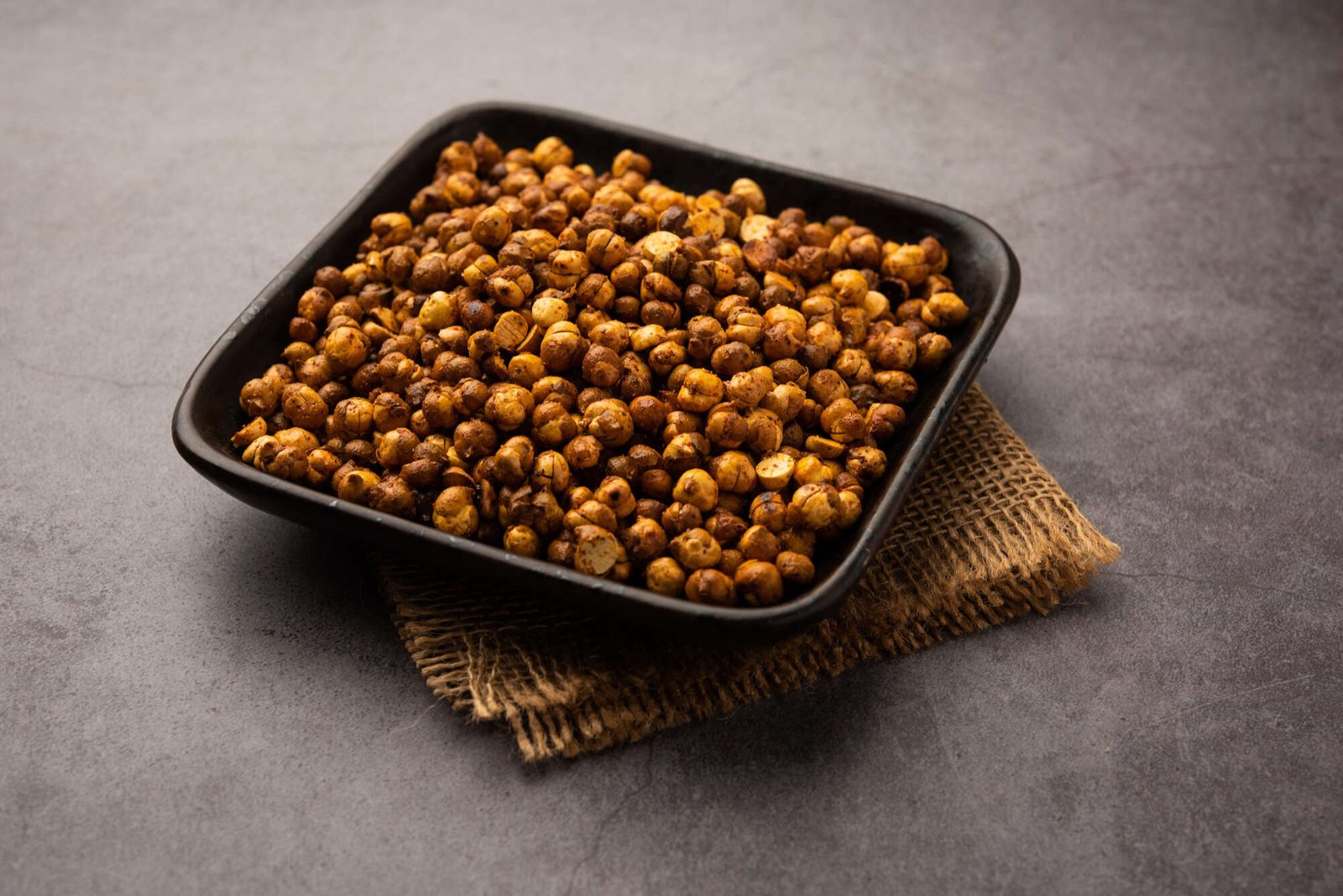
The core of traditional Indian snacking is inextricably linked to the country’s diverse agro-climatic zones. The use of pulses—such as chickpeas, moong dal, and urad dal—is not merely a stylistic choice but a functional one. These crops are nitrogen-fixing, essential for soil health, and provide a high-protein profile that makes the resulting snacks satiating and shelf-stable without the need for chemical additives. When roasted, spiced, or fried in small batches, these pulses transform into iconic snacks that provide sustained energy, a stark contrast to the quick-spike blood sugar impact of refined flour products.
Furthermore, the reliance on jaggery (unrefined cane sugar) as a primary sweetener in traditional confections highlights a commitment to unrefined nutrient density. Unlike processed white sugar, jaggery retains essential minerals such as iron, magnesium, and potassium. When paired with nuts—rich in healthy fats and micronutrients—these snacks serve as functional foods. This marriage of agricultural bounty and culinary heritage ensures that the snacks are not just comfort food, but a reflection of the land’s capacity to nourish its people through thoughtful processing methods like sun-drying, slow-roasting, and fermentation.
Cultural Continuity and the Preservation of Heritage
The "old school" charm of these snacks is also a testament to the preservation of domestic labor and family traditions. Many of these recipes are communal, requiring techniques that have been passed down through oral history and hands-on apprenticeship in the home. The process of preparing these snacks often follows the agricultural calendar, utilizing harvests at their peak freshness. This temporal alignment ensures that the flavors are vibrant and authentic, fostering a sense of nostalgia that modern, mass-produced items cannot replicate.
As market trends shift toward clean-label products, these traditional snacks are gaining newfound relevance. Consumers are increasingly seeking out "farm-to-table" narratives, and traditional snacks provide the ultimate pedigree. They are, by definition, the original clean-label products. By supporting the production of these snacks, consumers are not only indulging in superior taste profiles but are also supporting a decentralized food system that empowers small-scale farmers and preserves agricultural biodiversity.
What This Means for Farmers
For the agricultural community, the renewed interest in traditional snacks presents a significant economic opportunity. As the demand for authentic, whole-food ingredients rises, farmers have a unique chance to pivot toward crops that are often overlooked in favor of high-yield cash crops. This shift toward pulse and millet production can improve soil health and increase farm-level biodiversity, leading to more resilient farming systems.
Farmers who engage in value-addition—processing their raw harvests into traditional snack formats or supplying high-quality, traceable raw materials to artisanal snack producers—can capture a larger share of the value chain. By branding their produce as the essential, high-quality components of traditional recipes, farmers can move away from volatile commodity markets and toward a more stable, premium-focused market. Furthermore, this trend encourages the preservation of heirloom varieties of grains and legumes, which are better adapted to local climates and require fewer chemical inputs. Ultimately, the survival of these snacks is a victory for the farmer, reinforcing the value of indigenous crops and the vital role of the family farm in maintaining the nation's culinary and nutritional security.