Strategic Security Review Initiated Amid Global Geopolitical Tensions
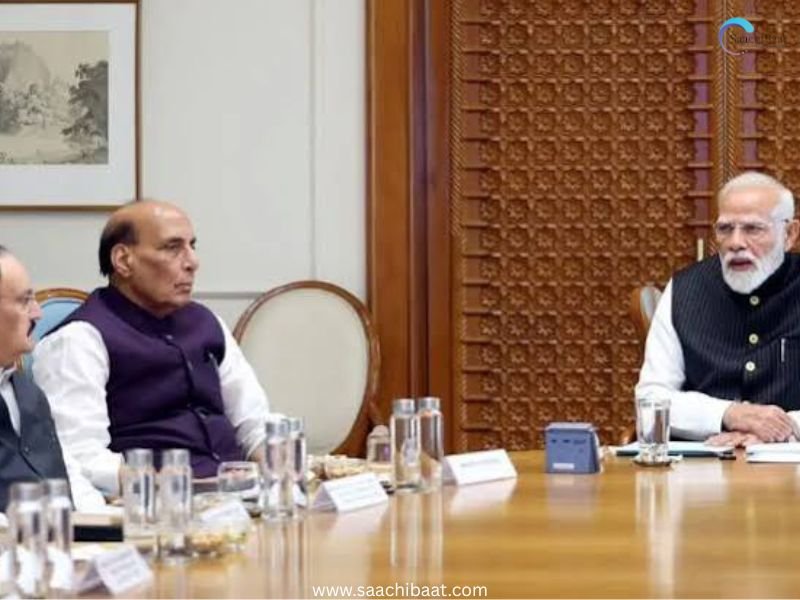
On July 31, 2026, Prime Minister Narendra Modi convened a high-level meeting of the Cabinet Committee on Security (CCS) to conduct a comprehensive assessment of the escalating conflict in West Asia. The session served as a critical platform to evaluate the preparedness of various Ministries and Departments in addressing the potential domestic and international fallout of the regional instability. As the conflict intensifies, the Indian government is prioritizing the security of supply chains, energy stability, and the safety of citizens residing in the affected zones.
The primary focus of the meeting centered on the ripple effects of the current geopolitical climate on India’s strategic interests. With West Asia serving as a vital corridor for global trade and a primary source of energy imports, the CCS reviewed contingency plans designed to mitigate disruptions in logistics and maritime security. Officials from relevant departments presented reports on the current status of fuel reserves, trade routes, and the potential impact of prolonged instability on commodity prices, ensuring that the nation remains insulated against sudden market volatility.
Legislative Updates: Strengthening National Integrity
In a parallel development within the legislative sphere, the Rajya Sabha successfully passed the Prevention of Insults to National Honour (Amendment) Bill, 2026, on July 29. This legislative milestone reflects a broader government initiative to tighten regulations surrounding the protection of national symbols and public decorum. By updating the existing legal framework, the amendment seeks to address modern challenges to national integrity, providing clearer definitions and more robust enforcement mechanisms for authorities.
The passage of this Bill signifies a shift toward more stringent oversight of public conduct regarding national heritage and symbols. For stakeholders in the public and private sectors, this development highlights a heightened emphasis on institutional compliance and the preservation of national values. While the legal implications are primarily aimed at public discourse and social conduct, the legislative focus underscores a period of increased government attention on stability and national cohesion during a time of significant international uncertainty.
What This Means for Farmers
For the Indian agricultural community, the intersection of West Asian geopolitical instability and domestic policy shifts presents a complex landscape of risks and responsibilities. Farmers should consider the following impacts as they plan for the upcoming production cycles:
- Input Cost Volatility: West Asia is a critical region for the global production and distribution of energy. Any prolonged conflict in this area often leads to fluctuations in crude oil prices, which directly impact the cost of diesel, transport, and fertilizers. Farmers are advised to maintain a buffer in their operational budgets for fuel and chemical inputs, as global supply chain pressures may lead to unpredictable price hikes.
- Logistical Sensitivity: As the government monitors trade routes, agricultural exporters should prepare for potential delays or shifts in maritime logistics. Exporters of perishables, grains, and spices should maintain close communication with logistics providers to stay informed about shipping lane security and potential cargo rerouting.
- Market Stability and Food Security: The government’s focus on national security and stability often translates into a prioritization of domestic food security. Farmers can expect the administration to continue emphasizing self-reliance in food production. This may include future incentives for domestic fertilizer production or infrastructure support to ensure that the domestic supply chain remains insulated from international market shocks.
- Regulatory Vigilance: With the government focusing on national integrity and institutional stability, agricultural cooperatives and rural organizations should ensure that all public-facing activities and communications align with current legislative standards. Maintaining compliance with national policies is essential for organizations seeking to benefit from government-led agricultural programs and subsidies.
Ultimately, while the current security reviews and legislative updates are driven by high-level geopolitical and social considerations, the downstream effects on the agricultural economy are significant. By staying informed on global energy markets and maintaining flexibility in operational planning, the farming sector can better navigate the uncertainties of the current global environment.