National Education Policy and Governance in Flux Following Ministerial Resignation
The landscape of national educational governance is undergoing a period of profound transition as the Union government prepares to address systemic integrity issues within the country’s examination framework. Following the high-profile resignation of Union Education Minister Dharmendra Pradhan on July 25, 2026, the administration is moving swiftly to restore public confidence. The catalyst for this move is the scheduled introduction of the Public Examinations (Prevention of Unfair Means) Amendment Bill, 2026, which is set to be tabled in the Lok Sabha this coming Monday, July 27.
The resignation comes in the wake of widespread, nationwide student demonstrations that have highlighted long-standing grievances regarding the security and transparency of major competitive examinations. By positioning the new legislative amendment as a primary agenda item, the government aims to signal a pivot toward structural reform, seeking to insulate the recruitment and academic testing processes from the influence of organized malpractices that have recently disrupted the professional aspirations of millions of young citizens.
Legislative Reforms and the Push for Examination Integrity
The proposed Public Examinations (Prevention of Unfair Means) Amendment Bill, 2026, represents a significant tightening of the legal architecture governing academic assessments. Policymakers have indicated that the legislation is designed to introduce punitive measures that are both immediate and deterrent in nature. While the specifics of the bill are currently undergoing final parliamentary vetting, industry observers anticipate the inclusion of stringent oversight mechanisms for examination centers, enhanced encryption protocols for the distribution of test materials, and legal frameworks that categorize large-scale examination fraud as a high-priority criminal offense.
The urgency behind this bill stems from the recognition that the integrity of the national talent pipeline is inextricably linked to the perceived fairness of entry-level testing. By standardizing the prevention of leaks, proxy testing, and data tampering across various examination boards, the government hopes to create a unified regulatory environment. This legislative shift is expected to empower central agencies with greater authority to investigate irregularities, potentially ending the fragmented oversight that has historically plagued the examination system.
Navigating the Vacuum in Educational Leadership
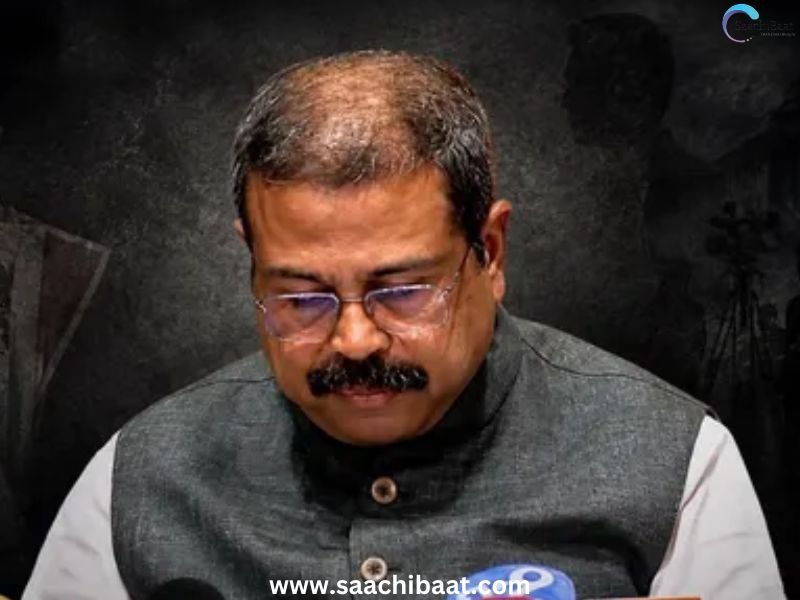
The departure of Dharmendra Pradhan, who held the education portfolio during a period of significant policy implementation, has created a leadership vacuum at a critical juncture. The protests that precipitated this resignation reflect a broader societal demand for accountability in how educational and professional credentials are awarded. As the ministry awaits a new appointment, the focus remains on the continuity of administrative functions and the successful passage of the new bill.
Political analysts suggest that the government’s ability to navigate these protests will depend largely on the efficacy of the new legislation. The challenge lies not only in drafting robust laws but in ensuring the logistical capacity to implement them across diverse states and testing centers. Stakeholders in the education sector are closely watching whether the upcoming parliamentary debate will lead to a bipartisan consensus on protecting the interests of the student body, or if the political fallout from the resignation will further complicate the legislative process.
What This Means for Farmers
While the current news cycle is dominated by urban-centric educational protests, the implications of these developments extend significantly into the rural economy and the farming community. For families whose livelihoods depend on agriculture, the stability and accessibility of competitive examinations are of paramount importance.
1. Access to Career Mobility: Many rural youth view professional examinations as the primary gateway to stable employment outside of traditional agriculture. A compromised examination system disproportionately affects candidates from rural areas who may lack the resources to repeatedly attempt high-stakes tests, making the integrity of these exams a vital issue for social mobility in agrarian households.
2. Institutional Stability: Agriculture-related sectors, including state-run extension services, research organizations, and agricultural banks, rely on the same competitive examination frameworks for recruitment. Ensuring that these institutions are staffed through merit-based, transparent processes is essential for the long-term professionalization of the agricultural sector.
3. Economic Planning: For farming families, the decision to invest in a child’s higher education is a significant capital allocation, often involving the sale of assets or borrowing against future harvests. A more reliable and transparent examination system reduces the "risk premium" associated with this investment, allowing for better long-term economic planning at the household level. Farmers should monitor the progress of this bill, as its success or failure will directly influence the future employment prospects of the next generation of rural youth, which in turn impacts the demographic future of the agricultural workforce.