Ayurvedic Surgery Takes Center Stage: Saushrutam 2026 Highlights Modern Integration of Ancient Wisdom
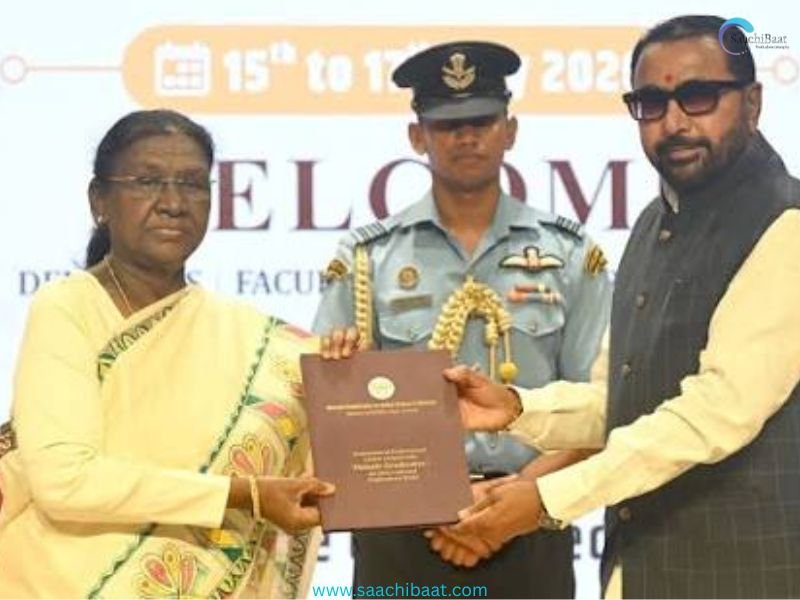
The landscape of traditional medicine and modern surgical practice reached a significant milestone this week as President Smt Droupadi Murmu officially inaugurated Saushrutam 2026 at the All India Institute of Ayurveda (AIIA) in New Delhi. Held in commemoration of Sushruta Jayanti—a day dedicated to the legacy of the ancient physician Sushruta, often referred to as the "Father of Surgery"—the three-day international seminar served as a global platform for scholars, practitioners, and researchers to bridge the gap between Vedic surgical principles and contemporary medical science.
The event, organized by the Ministry of Ayush, commenced with an intensive pre-conference workshop on July 14, setting the stage for deep-dive discussions into the historical evolution of surgical techniques and their potential applications in modern healthcare. By bringing together diverse stakeholders, the seminar aimed to standardize traditional methodologies while ensuring they meet the rigorous clinical safety and efficacy requirements of the 21st century.
Revitalizing Ancient Surgical Traditions for Modern Clinical Needs
At the heart of Saushrutam 2026 lies the objective of integrating the profound anatomical knowledge documented in the Sushruta Samhita with modern surgical technology. The sessions focused on refining the "Sushrutian" approach to surgery, which emphasizes minimally invasive techniques, holistic patient recovery, and the use of natural medicinal agents for post-operative care. Experts at the conference highlighted that while surgical technology has advanced exponentially, the principles of patient-centric care and the preservation of biological integrity remain as relevant today as they were millennia ago.
The collaboration between the Ministry of Ayush and the AIIA underscores a broader national initiative to position India as a global hub for integrative medicine. By fostering an environment where surgeons can discuss the nuances of traditional cauterization, suturing techniques, and herbal wound management, the seminar provided a roadmap for evidence-based research. This systematic approach is intended to replace anecdotal practices with peer-reviewed data, thereby enhancing the credibility of Ayurvedic surgery within the mainstream global medical community.
Bridging the Gap: Research and Global Standardization
A significant portion of the international seminar was dedicated to the challenges of global standardization. International delegates and domestic experts engaged in rigorous debates regarding the harmonization of Ayurvedic surgical curricula with global surgical standards. The consensus among the participants was that for Ayurvedic surgery to achieve widespread global acceptance, it must adopt a transparent framework of research that includes large-scale clinical trials and standardized training protocols.
The Ministry of Ayush emphasized that the focus is not merely on preserving a historical craft but on evolving it to address current medical challenges, such as antibiotic resistance and the need for more sustainable surgical materials. The pre-conference workshops provided a hands-on environment for practitioners to demonstrate how traditional instruments and methods could be adapted to fit into modern sterile surgical theaters, effectively creating a hybrid model of care that prioritizes long-term patient outcomes.
What This Means for Farmers
While Saushrutam 2026 focuses primarily on human medicine, the implications for the agricultural sector—particularly those involved in the cultivation of medicinal plants—are substantial. As the demand for authentic, high-quality herbal ingredients increases to support the growth of Ayurvedic surgical and post-operative care, farmers stand to benefit from a more structured and lucrative value chain.
Increased Demand for Medicinal Crops: The emphasis on integrating Ayurvedic products into mainstream surgical protocols will likely lead to a surge in demand for specific medicinal herbs used in wound healing, anti-inflammatory treatments, and antiseptic applications. Farmers who transition or expand into medicinal plant cultivation—following Good Agricultural and Collection Practices (GACP)—will find a more stable and high-value market for their produce.
Quality and Traceability: The shift toward evidence-based Ayurveda requires that raw materials meet stringent quality standards. For the farming community, this means that consistency, purity, and sustainable harvesting practices will become the new benchmarks for market entry. Farmers are encouraged to invest in post-harvest processing technologies to ensure that the active compounds in their crops remain potent, as this will be essential for meeting the requirements of the pharmaceutical and surgical supply chains.
Economic Diversification: By aligning with the growing national and international interest in Ayurveda, farmers can diversify their income streams beyond traditional staple crops. Engaging with government initiatives that support medicinal plant cultivation can provide farmers with access to technical training, improved seed varieties, and better market linkages, ultimately creating a more resilient and profitable agricultural ecosystem.