Tamil Nadu Renewable Energy Sector Hits Historic Milestone
The renewable energy landscape in Tamil Nadu has reached a significant turning point, underscoring the state’s aggressive transition toward a greener power grid. According to the latest data released by the State Load Dispatch Centre (SLDC), the region’s combined wind and solar generation capacity has surged, effectively meeting over 42% of the state’s total daily electricity demand. This milestone highlights the increasing reliability of non-conventional energy sources and reflects the successful scaling of infrastructure designed to integrate high-capacity renewable feeds into the existing power network.
The record-breaking performance was observed on a recent Sunday, a day characterized by favorable wind patterns and consistent solar irradiance. Total electricity consumption for the state was recorded at 413.58 million units (MU). Of this, renewable sources contributed a substantial 175.03 MU. The wind sector led the charge with a historic evacuation of 118.13 MU, while solar installations across the state contributed a robust 56.9 MU. The peak wind power capacity reached an impressive 6,578 MW, marking a new high-water mark for the state’s wind energy sector.
The Synergy of Wind and Solar Infrastructure
The ability of Tamil Nadu’s grid to absorb 175.03 MU of renewable energy in a single day is a testament to recent upgrades in grid stabilization and forecasting technologies. Wind energy, which traditionally relies on seasonal monsoon patterns and coastal breezes, has historically presented challenges regarding grid stability due to its intermittent nature. However, the integration of advanced wind turbine technology, which operates efficiently at lower wind speeds, has allowed for more consistent power evacuation.
Complementing this, the state’s solar energy sector has matured significantly. By diversifying the energy mix, the state has mitigated the "duck curve" effect—a common phenomenon where solar production peaks during the day while demand peaks in the evening. With wind power often peaking during late evening or early morning hours, the two sources are proving to be highly complementary. The SLDC’s ability to manage this influx of power without compromising grid frequency suggests that the state’s investment in smart metering and real-time load balancing is yielding tangible results.
Infrastructure Resilience and Grid Management
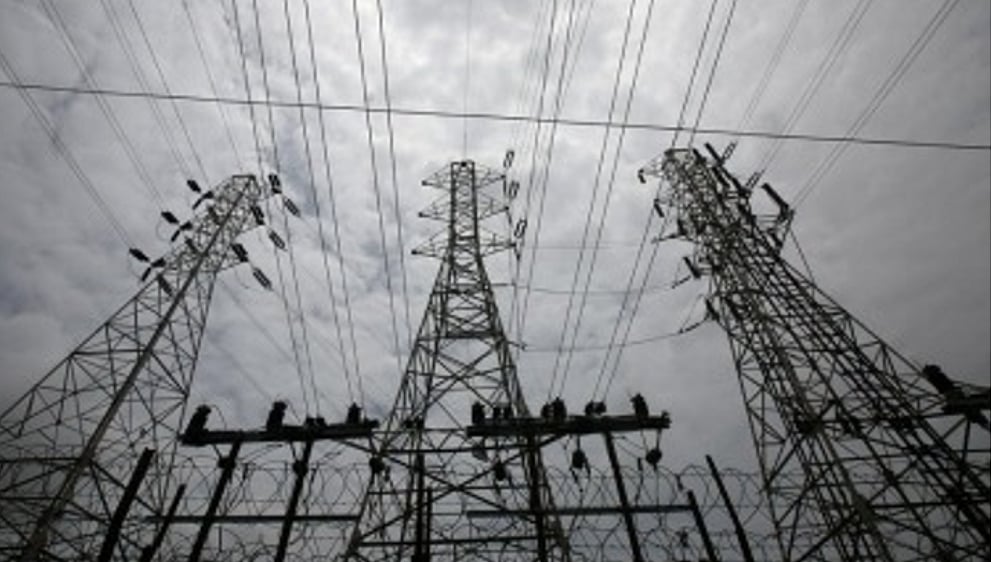
Maintaining a stable grid while sourcing nearly half of the state's power from intermittent renewables requires sophisticated management. The record figure of 6,578 MW in wind generation places significant pressure on transmission lines and substations. To handle these massive surges, the state has focused on strengthening the high-voltage transmission corridors that connect wind-rich regions—such as the Muppandal and Kayathar corridors—to major load centers.
Furthermore, the increased reliance on renewable energy is forcing a shift in how traditional thermal power plants operate. Rather than running at full baseload capacity, thermal plants are increasingly being utilized for "load following," where they ramp up or down based on the availability of wind and solar. This transition is not only environmentally significant but is also driving a broader shift in the state's energy economics, as the marginal cost of renewable generation continues to drop compared to coal-fired alternatives.
What This Means for Farmers
For the agricultural community, this shift toward a renewable-heavy grid carries both immediate implications and long-term economic opportunities. As the state moves toward a greener energy mix, farmers should take note of the following developments:
- Energy Security and Cost Stability: As the share of wind and solar increases, the state’s overall cost of power generation tends to stabilize. For farmers, who are significant consumers of electricity for irrigation and post-harvest processing, this long-term shift may help mitigate the volatility of traditional fuel-based electricity tariffs.
- Agrivoltaics and Land Utilization: The record generation figures prove the viability of large-scale renewable projects. For landowners, this presents an opportunity to explore "agrivoltaics"—the practice of using land for both solar energy production and agriculture. By installing elevated solar panels, farmers can generate additional income through energy leases while protecting crops from excessive heat and reducing water evaporation.
- Decentralized Power for Irrigation: With the grid showing increased capability to handle renewable input, there is an opening for further investment in decentralized solar-powered irrigation pumps. Farmers are encouraged to look into government-subsidized programs that promote solar pump sets, which can now be more reliably integrated into the state’s evolving power infrastructure.
- Grid Reliability: As the state improves its grid management to handle renewable fluctuations, rural areas that previously faced frequent voltage drops may see improved power quality. Stable, consistent electricity is essential for modernizing cold storage facilities and dairy operations, allowing farmers to reduce post-harvest losses and gain better access to market value.