Parliamentary Accountability Amidst Legislative Gridlock
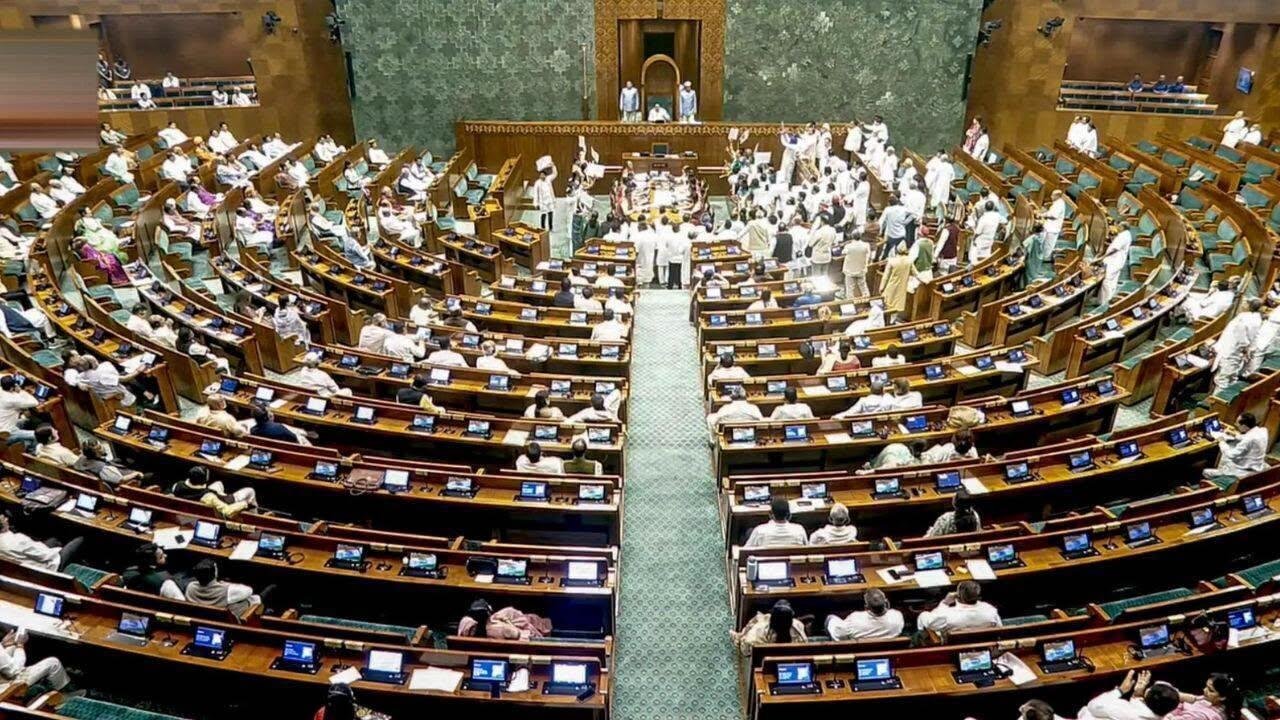
The recent Monsoon Session of Parliament concluded under a cloud of controversy, marked by persistent disruptions and a near-total collapse of standard legislative debate. While the session has been widely characterized by observers as a "washout" in terms of formal parliamentary proceedings, a different narrative has emerged from the Trinamool Congress (TMC). On Thursday, party leadership asserted that despite the chaotic environment, its lawmakers successfully utilized the parliamentary apparatus to hold the executive branch accountable on a spectrum of critical national issues.
The TMC’s assertion highlights a complex dynamic in modern governance: the tension between floor-level disruptions and the underlying necessity of oversight. Even as legislative agendas stalled, the party maintained that the parliamentary mechanism remained functional through the submission of written questions and formal inquiries, which compel government ministries to provide documented responses on policy failures and administrative grievances.
Key Policy Areas Under Scrutiny
The scope of the inquiries raised by the TMC caucus was broad, reflecting the multifaceted challenges currently facing the Indian agricultural and economic landscape. Central to their parliamentary engagement was the status of the Mahatma Gandhi National Rural Employment Guarantee Act (MGNREGA). As a vital safety net for rural laborers, the program has faced significant scrutiny regarding delayed wage payments and the systemic backlog of funds. By persistently raising this issue, the party sought to draw attention to the ripple effects of payment delays on rural consumption and the standard of living for landless farmers and casual laborers.
Beyond rural employment, the party focused on systemic economic vulnerabilities. Parliamentary questions were directed toward the oversight of the banking sector, specifically regarding the handling of large-scale financial frauds. This line of questioning underscores a growing anxiety within the agricultural and business communities regarding capital accessibility and the stability of rural credit institutions. Furthermore, the TMC raised concerns regarding the broader macroeconomic climate, specifically targeting the dual challenges of rising unemployment and the fluctuating nature of foreign investment. These inquiries reflect a strategic effort to link local economic distress in states to national-level policy decisions, demanding transparency on how international capital flows are—or are not—translating into tangible domestic job creation.
The Efficacy of Parliamentary Oversight
The debate over whether a "washed out" session constitutes a failure of democracy or a different form of engagement is ongoing. Critics of the disruptions argue that the lack of debate prevents the passage of crucial bills that could benefit the agrarian sector. However, the TMC’s stance suggests that when direct debate is obstructed, the written question-and-answer process becomes the primary instrument of accountability. For the executive, these questions are not merely procedural; they create a public record of ministerial performance that can be cited in subsequent policy reviews and judicial scrutiny.
This approach emphasizes the "watchdog" function of the opposition, ensuring that even when the floor is quiet, the administration is required to compile data and justify its actions regarding public expenditure. For the farming and rural sectors, this is particularly relevant, as the details unearthed in these responses often reveal the internal bottlenecks—ranging from bureaucratic red tape to fund allocation deficits—that prevent central government schemes from reaching the intended beneficiaries at the village level.
What This Means for Farmers
For the average farmer and rural stakeholder, the parliamentary stalemate and the subsequent focus on accountability carry several practical implications:
- Visibility of Rural Distress: The prioritization of MGNREGA dues in parliamentary questions keeps the issue of rural liquidity in the national spotlight. When these questions are raised, ministries are forced to provide data on fund releases, which serves as a benchmark for farmers to track whether the central government is meeting its financial commitments to states.
- Increased Transparency in Banking: Persistent questioning regarding bank frauds serves as a reminder of the need for stricter governance in rural credit institutions. Farmers should remain vigilant regarding the health of their local cooperative banks, as the national discourse on bank accountability often precedes regulatory shifts in credit disbursement policies.
- Economic Policy Forecasting: By monitoring the government’s responses to inquiries about foreign investment and unemployment, farmers can gain a clearer understanding of the macro-economic pressures facing the country. This helps in anticipating potential shifts in government spending, which often moves away from social sector subsidies during periods of fiscal tightening or external economic volatility.
- Engagement with Local Representatives: The TMC’s strategy demonstrates that even in a fractured parliamentary session, the submission of questions is a viable tool. Farmers and agricultural unions should continue to lobby their local Members of Parliament to file specific, data-backed questions concerning regional agricultural issues, as these written records remain a powerful tool for demanding administrative action long after the session has adjourned.