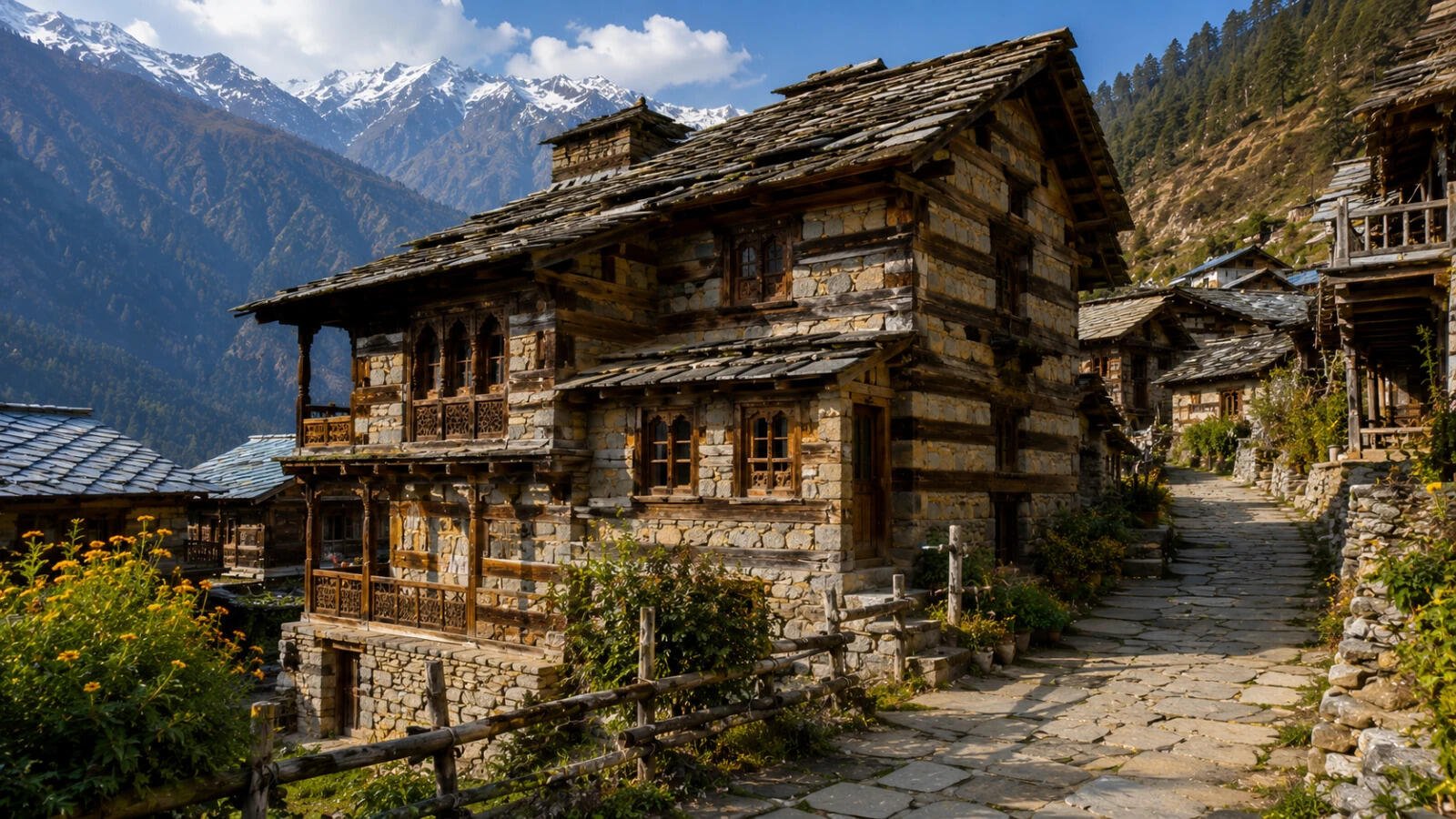
Across the globe, rural communities continue to maintain and celebrate their ancestral architectural heritage. According to information provided by Newspoint, these traditional structures are defined by their reliance on locally sourced materials and building techniques that have proven their durability over many generations. These homes are not merely shelters; they represent a deep, historical synergy between human settlements and their natural environments.
Understanding Traditional Architectural Legacies
The preservation of these architectural styles offers modern observers a window into sustainable building practices. By utilizing materials found in the immediate vicinity, these communities have developed methods that align with the climate and geography of their regions. The report from Newspoint highlights that these practices have successfully thrived over time, serving as a vessel for essential cultural legacies that might otherwise be lost to modern construction trends.
Examples of Resilient Rural Architecture
The source identifies several distinct types of traditional housing that exemplify this commitment to environmental harmony and structural longevity. These include:
- Kath Kuni houses: Recognized for their unique construction, these structures utilize local wood and stone, reflecting a traditional technique designed to withstand the challenges of their specific environment.
- Chettinad mansions: These represent a significant architectural tradition, known for their specific design elements and cultural importance.
- Kutch bhungas: These circular mud structures are a hallmark of the Kutch region, showcasing how local materials can be adapted to create stable and climate-appropriate dwellings.
- Khasi bamboo homes: Utilizing bamboo as a primary building material, these homes demonstrate the versatility and sustainability of natural resources in residential architecture.
The Importance of Nature-Aligned Building
The report emphasizes that the primary value of these settlements lies in their sustainable approach to living. By observing these traditional homes, one can gain insights into how past generations successfully integrated their living spaces with the natural world. These structures were not built in opposition to the environment but rather in coordination with it.
As noted by the source, the continued existence of these homes serves as a testament to the effectiveness of traditional craftsmanship. These buildings have not only survived the test of time but have also ensured that the cultural history of the people who built them remains visible in the landscape. Venturing into these rural communities allows for a deeper appreciation of the wisdom inherent in ancestral building techniques, which prioritize long-term stability and environmental integration.
Conclusion
Traditional architecture remains a vital component of rural identity. Whether through the use of stone, wood, mud, or bamboo, these diverse building styles highlight a global trend of respecting local geography. According to Newspoint, these ancestral homes continue to define the landscape, providing a sustainable blueprint that remains relevant as a record of human ingenuity and cultural endurance.