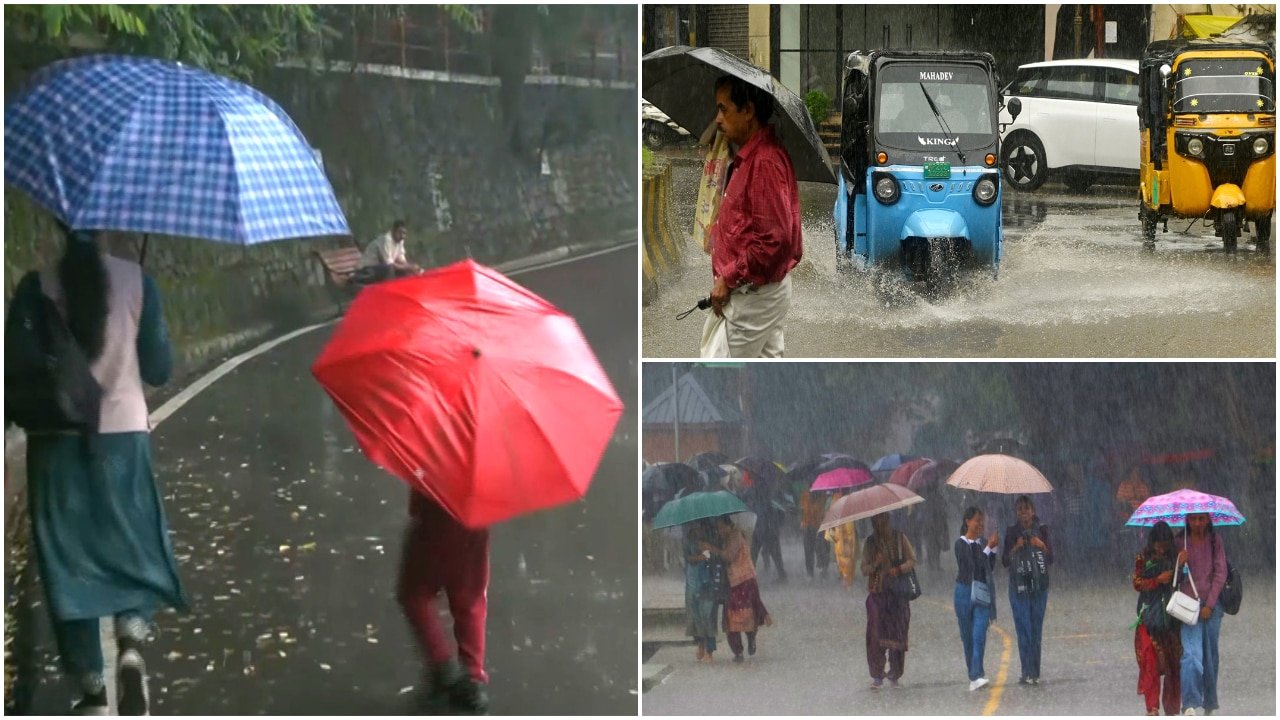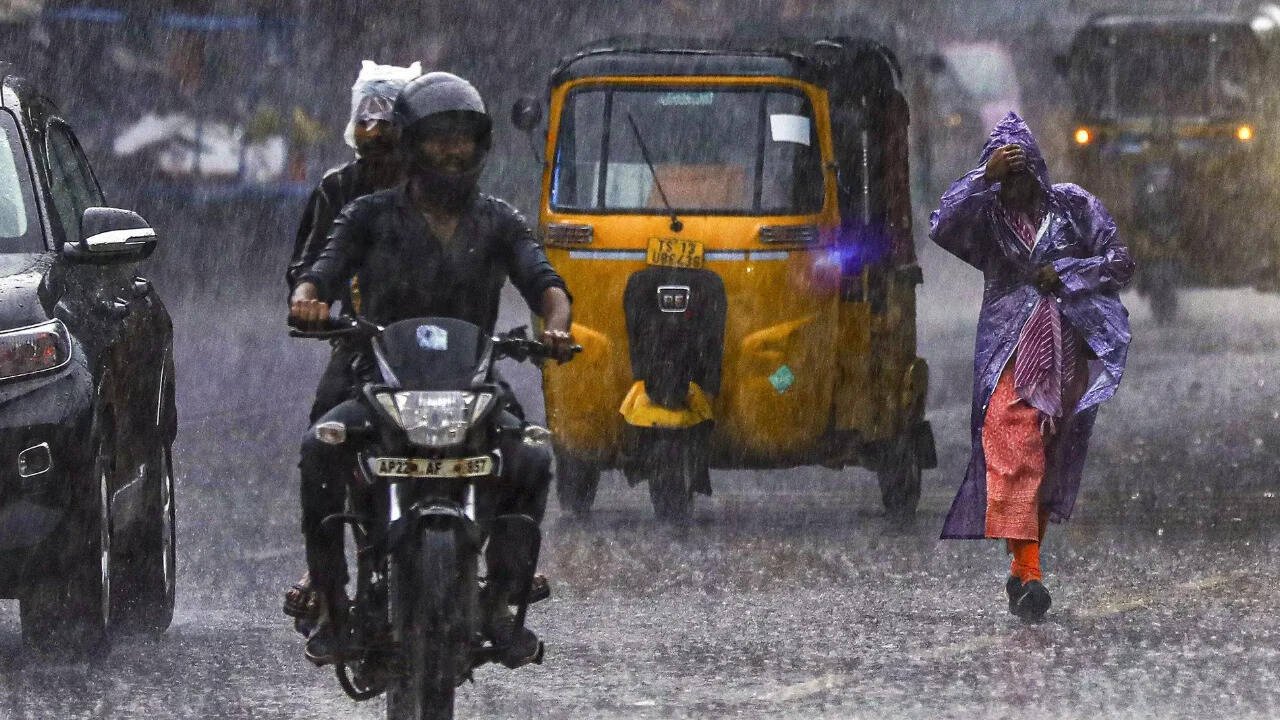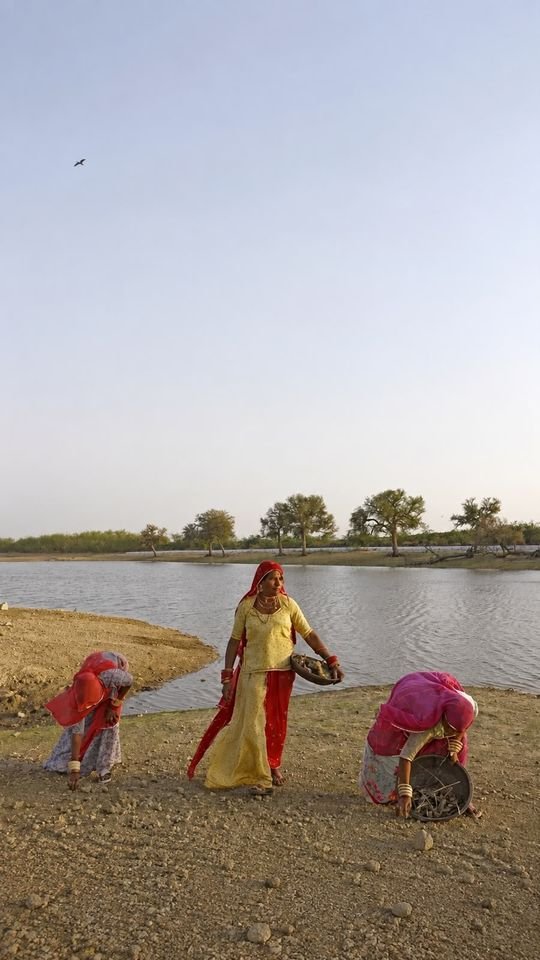
Across various regions of India, a shift in perspective is transforming how rural communities interact with the annual monsoon season. Rather than viewing heavy seasonal rainfall as a challenge to be mitigated or escaped, several villages have begun adopting strategies to manage and store this water for use during the drier months of the year.
Changing the Approach to Monsoon Rainfall
According to information provided by Thebetterindia, there is a growing trend among Indian villages to rethink their relationship with water resources. By moving away from traditional views that treat monsoon rains primarily as a nuisance or a logistical problem, these communities are actively seeking methods to live with water in a more sustainable and productive manner.
This evolving approach focuses on the strategic capture and conservation of rainfall. By implementing systems to store the water that arrives during the monsoon, these areas are working to ensure a more consistent supply of water is available long after the rains have ceased.
Living With Water Differently
The core of this movement is a fundamental change in how local populations perceive the seasonal cycle. As reported by the source, the initiative is centered on the concept of living with water differently. This implies that communities are no longer just reacting to the weather, but are instead preparing for the dry season by utilizing the abundance provided by the monsoon.
While the specific technical methods or the names of the five villages mentioned in the headline were not detailed in the provided source material, the report highlights that the practice is spreading across India. This indicates a broader movement where local knowledge and community action are being combined to address water scarcity.
Why This Matters for Rural Resilience
The ability to manage monsoon water effectively has significant implications for the long-term stability of rural areas. By capturing rainfall, villages can potentially:
- Create a more reliable water supply for the months when rainfall is scarce.
- Reduce the immediate impact of heavy monsoon runoff.
- Build local self-reliance by managing natural resources at the community level.
As noted by Thebetterindia, the transition toward these practices represents a notable shift in how communities across the country are addressing environmental challenges. By viewing the monsoon as a resource rather than a problem to escape, these villages are establishing a framework for managing water that could serve as an example for others facing similar climatic conditions.