The Hidden Cost of Hosting the World’s AI Infrastructure: A New Burden on Rural Landscapes
As the global race for artificial intelligence supremacy accelerates, the physical footprint of this digital revolution is increasingly moving away from urban tech hubs and into the heart of the countryside. Massive hyperscale data centers—the engine rooms of AI—are being constructed at an unprecedented rate, often situated on prime agricultural land. While these facilities are touted as engines of economic modernization, they bring with them a complex set of hidden costs that are beginning to weigh heavily on the agricultural sector. From the massive consumption of water resources to the encroachment on fertile soil, the expansion of AI infrastructure is reshaping the landscape of modern farming in ways that policy makers are only just beginning to confront.
The Competition for Essential Natural Resources
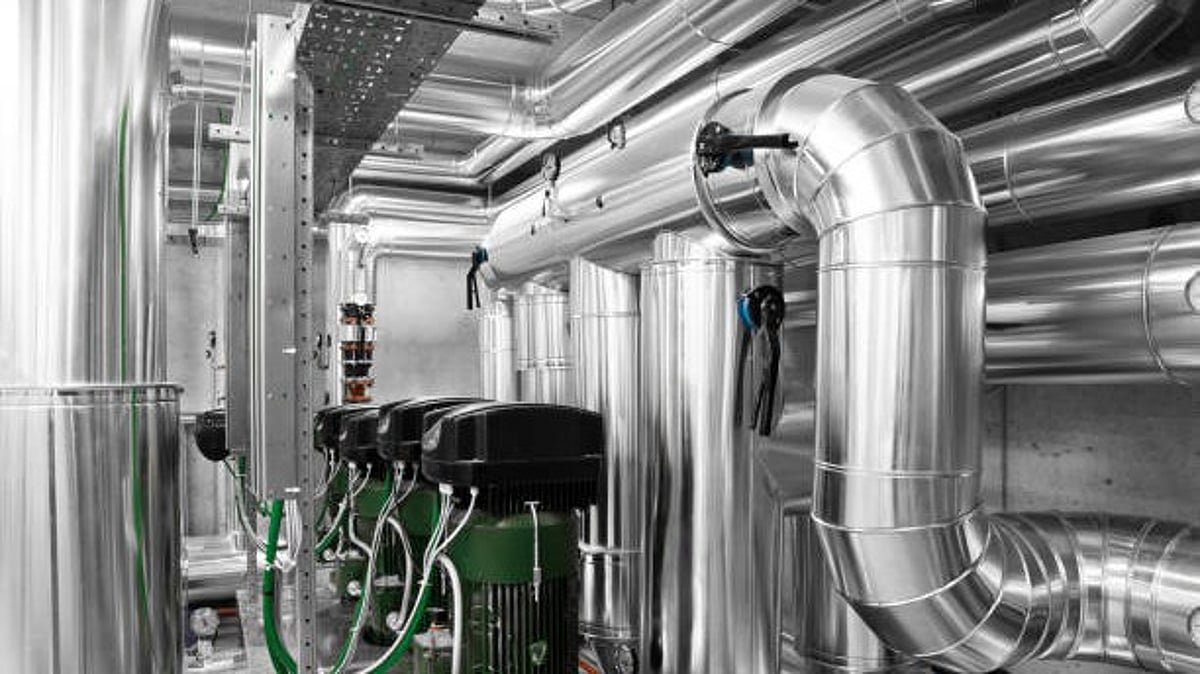
At the center of the tension between big tech and agriculture is the competition for two fundamental resources: water and electricity. Data centers require immense volumes of water for cooling their high-performance computing servers, which generate significant heat during the training of large language models and other AI applications. In regions already facing water scarcity, the arrival of a hyperscale facility can disrupt local irrigation networks, leading to a zero-sum game between farmers and tech giants. When water rights are sold or diverted to industrial cooling systems, the downstream impact on crop yields and livestock management can be catastrophic.
Similarly, the power demands of these facilities are placing an unprecedented strain on rural electrical grids. As these centers come online, they often require dedicated substations and high-voltage transmission lines that cut across productive fields. This infrastructure development not only consumes land but can also drive up energy costs for rural communities. When local power grids are forced to prioritize the consistent, high-load demands of data centers, agricultural operations—which often operate on tighter margins—may find themselves facing grid instability or higher utility tariffs, further tightening the economic vice on independent producers.
Land Use and the Erosion of Agricultural Viability
Beyond the operational pressures, the physical acquisition of land for data centers presents a long-term threat to food security and farm viability. These facilities are frequently built on large tracts of flat, accessible, and often highly fertile land—the very same characteristics that define prime agricultural real estate. Once a data center is constructed, the land is essentially removed from the agricultural cycle for decades. This loss is not merely about acreage; it is about the fragmentation of the rural economy.
When high-quality farmland is converted to industrial use, it creates a ripple effect throughout the local supply chain. Agribusinesses, equipment dealers, and seed suppliers rely on a critical mass of active farmland to remain profitable. As the rural landscape becomes a patchwork of restricted-access industrial sites rather than contiguous fields, the operational efficiency of the remaining farms declines. Increased traffic, altered drainage patterns, and the loss of traditional farming easements can lead to a gradual erosion of the local agricultural ecosystem, making it increasingly difficult for the next generation of farmers to maintain sustainable operations.
What This Means for Farmers
The rise of AI infrastructure represents a significant shift in rural land-use policy that demands proactive engagement from the agricultural community. For farmers and landowners, the immediate consequence is a fundamental change in how they must evaluate their property’s value. It is no longer just about soil productivity or market access; it is about the strategic value of the land to the digital economy. Farmers should approach land-lease or sale inquiries from tech developers with extreme caution, prioritizing long-term soil health and water access over short-term financial gains.
Practically, farmers in areas targeted for data center development should:
- Advocate for Zoning Protections: Engage with local planning boards to ensure that prime agricultural land is protected from industrial rezoning.
- Monitor Water Rights: Stay informed about local water usage permits and participate in public hearings regarding regional water allocation to ensure agricultural needs are not sidelined.
- Demand Infrastructure Transparency: When power lines or substations are planned, seek clear information on how these developments will affect local grid stability and the potential for compensation regarding operational disruptions.
- Collaborate on Policy: Join forces with local agricultural associations to lobby for regional policies that require data center developers to invest in water-neutral cooling technologies and renewable energy infrastructure that benefits the broader community, rather than just the facility itself.
While the digital transformation is inevitable, the survival of the agricultural sector depends on ensuring that the infrastructure of the future does not come at the expense of the food security of the present. Farmers must be at the table when these developments are proposed to ensure that the hidden costs of AI are not paid by those who work the land.