Surat Navigates Complex Challenges Amidst Industrial Ambition and Monsoon Volatility
Surat, a cornerstone of Gujarat’s economic engine, finds itself at a critical juncture this August. As the city balances the demands of a rapidly modernizing textile sector and the festive spirit of the Saputara Monsoon Festival, local authorities are simultaneously grappling with significant social unrest and high-stakes investigations. These developments, occurring in tandem, highlight the multifaceted pressures facing one of India's fastest-growing urban centers, where infrastructure resilience and institutional accountability have become as central to the public discourse as economic expansion.
The Intersection of Civil Unrest and Infrastructure Vulnerability
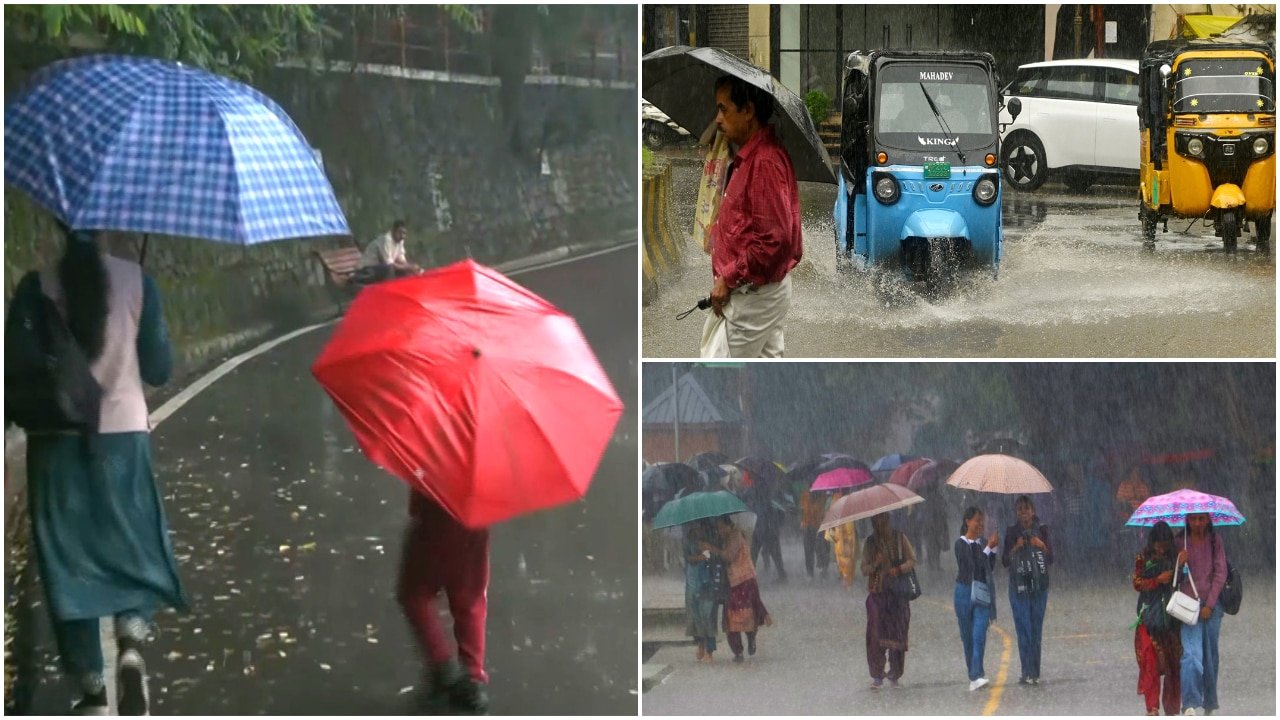
The monsoon season, while essential for the regional agricultural cycle and reservoir replenishment, has brought recurring hardship to Surat’s urban periphery. Recent weeks have seen an intensification of protests by residents living in low-lying areas, who claim that chronic creek flooding is the result of inadequate drainage management and unchecked urban encroachment. For the local administration, the issue is twofold: the immediate need for disaster mitigation and the long-term requirement for sustainable urban planning that does not exacerbate hydraulic bottlenecks during heavy rainfall.
Simultaneously, the city’s administrative focus is sharply divided by a high-profile investigation into the death of a medical professional. Allegations of ragging—a systemic issue that has long plagued academic institutions—have prompted a state-level probe. The incident has cast a somber shadow over the local healthcare and academic community, sparking widespread demands for stricter oversight and cultural reform within medical colleges. The dual nature of these crises—the public outcry over environmental safety and the internal demand for institutional integrity—underscores the complex social governance challenges currently facing the city.
Textile Innovation and Regional Tourism
Beyond the immediate administrative crises, Surat continues to assert its dominance in the global textile value chain. Industry leaders and policymakers have recently convened to discuss the sector's trajectory, focusing on leveraging the city’s manufacturing prowess to capture a larger share of the international market. Discussions centered on the adoption of sustainable processing techniques, digital integration in supply chain management, and the potential for high-value exports. Industry experts emphasize that Surat’s ability to transition from a volume-based producer to a hub for high-end, sustainable textiles will be the primary determinant of its long-term economic relevance.
Providing a brief respite from the industrial and political intensity, the inauguration of the Saputara Monsoon Festival has offered a cultural focal point for the region. The festival, which celebrates the unique biodiversity and climatic charm of the Dang district, serves as a vital bridge between the urban population of Surat and the surrounding rural landscapes. By promoting regional tourism, the festival highlights the interconnectedness of Gujarat’s diverse ecosystems and provides a necessary outlet for the community to engage with the natural environment during the peak of the monsoon season.
What This Means for Farmers
While the focus of these headlines remains largely urban, the implications for the agricultural community in the Surat region are significant. The recurring flooding issues highlighted by the urban protests often mirror the challenges faced by rural farmers, whose low-lying fields are frequently subjected to waterlogging and soil erosion during unmanaged runoff events. Effective creek management and drainage improvements are essential not just for urban residents, but for protecting agricultural land from siltation and crop damage.
Furthermore, the growth of the local textile industry provides a crucial market for regional fiber producers. As the industry moves toward global competitiveness, farmers should look for opportunities to align with sustainability standards, as international markets increasingly demand traceability and environmentally conscious production methods. For those involved in the agricultural supply chain, keeping abreast of shifts in textile demand—particularly as it relates to natural fibers and sustainable processing—could offer new avenues for diversification. Finally, the emphasis on regional tourism, as showcased by the Saputara Monsoon Festival, suggests a growing market for agro-tourism. Farmers situated near major transit corridors or scenic areas may find that diversifying their operations to include experiential, nature-based tourism can provide a stable secondary income stream, buffering them against the inherent volatilities of the agricultural market and the seasonal unpredictability of the monsoon.