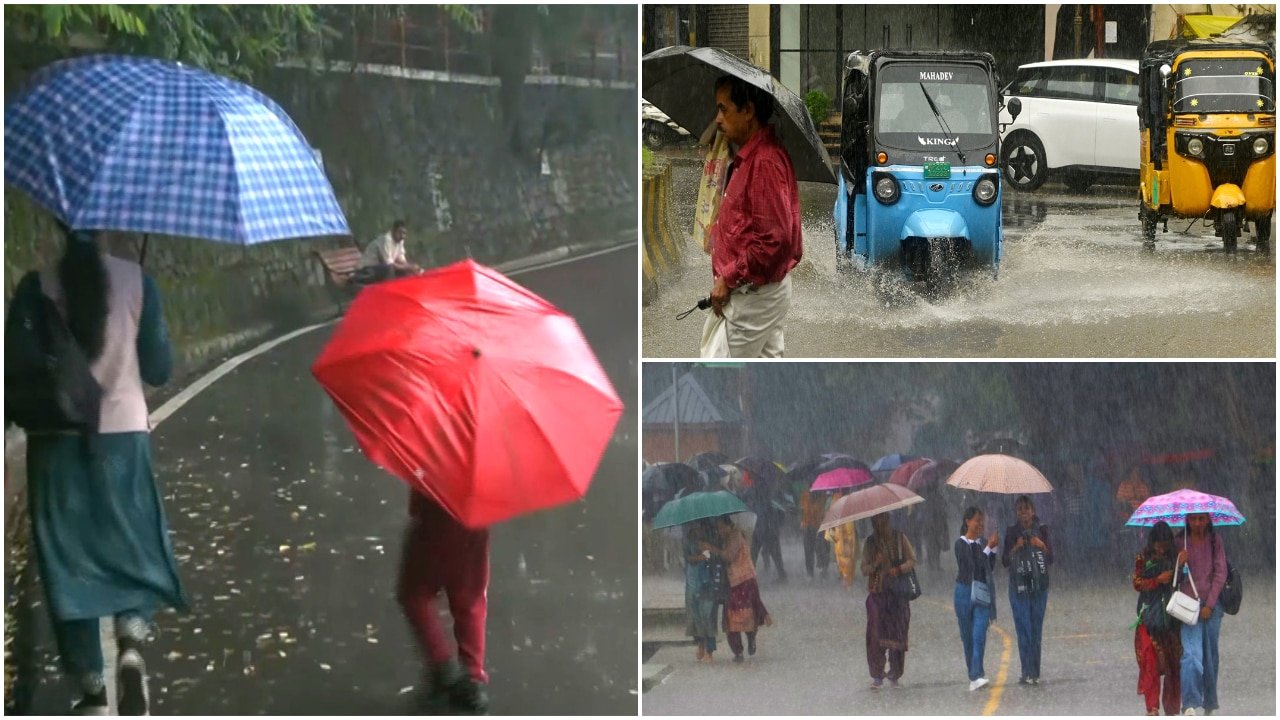
South Gujarat Faces Intense Deluge as State Records 72% of Seasonal Rainfall
The agricultural landscape of Gujarat is currently grappling with a significant meteorological shift as the state reports having already received 72% of its total expected annual rainfall. The surge in precipitation, heavily concentrated in the southern districts, has transformed the regional farming outlook, shifting concerns from moisture deficiency to the management of excessive water and potential crop stress. As the monsoon season continues to maintain a vigorous pace, the agricultural community is bracing for the challenges associated with waterlogged fields and the long-term implications for soil health and harvest viability.
The Impact of Concentrated Precipitation in South Gujarat
South Gujarat has historically served as a critical hub for high-value agricultural production, ranging from sugarcane and cotton to paddy and horticultural crops. The current intensity of the rainfall, however, has placed immense pressure on local drainage infrastructure and field management systems. When a significant portion of the annual rainfall arrives in a condensed timeframe, the immediate challenge is not just the volume of water, but the rate of infiltration and surface runoff.
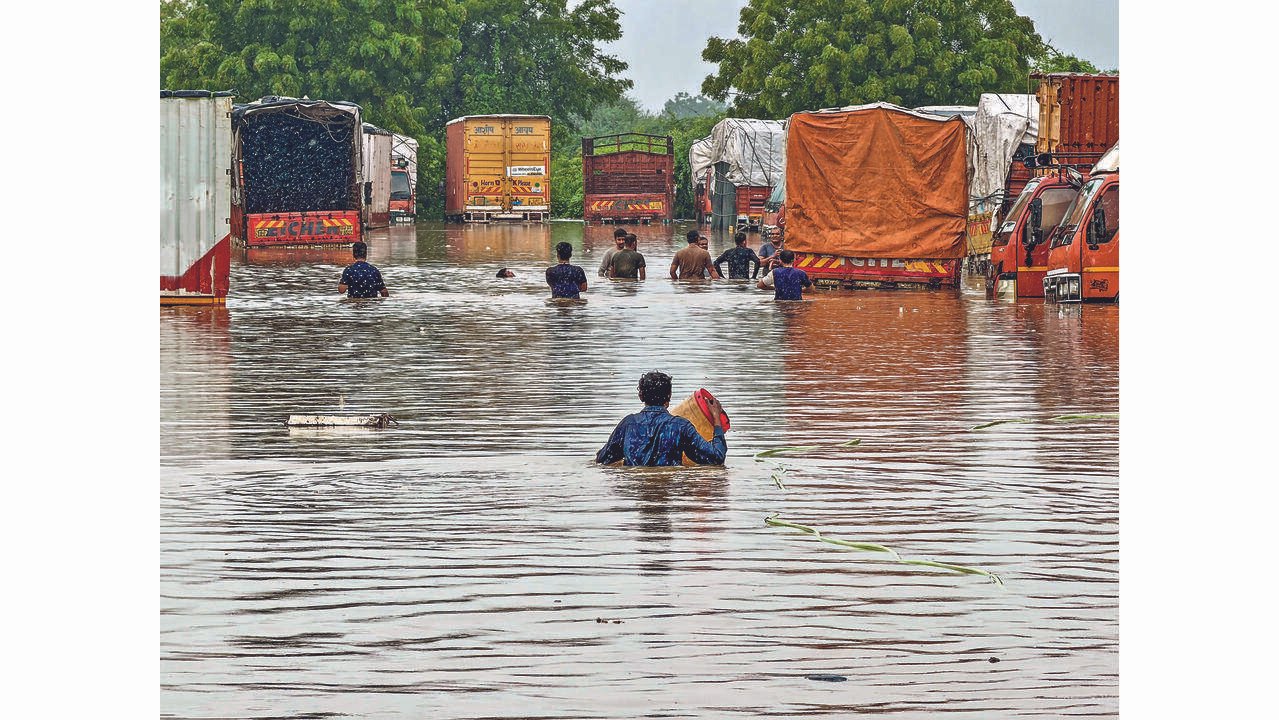
In many areas, low-lying fields are experiencing temporary inundation. While the replenishment of groundwater reserves is a positive outcome for the long-term water security of the region, the short-term impact on standing crops is a cause for concern. Agronomists note that prolonged waterlogging can lead to hypoxia in the root zone, effectively starving crops of the oxygen they require to thrive. Furthermore, the high humidity levels accompanying these heavy rains create an ideal environment for the proliferation of fungal pathogens and bacterial blights, which can decimate yields if left unmanaged.
Agronomic Challenges and Soil Nutrient Management
Beyond the immediate threat of waterlogging, the excessive rainfall poses a severe risk of nutrient leaching. Essential elements such as nitrogen, which are critical for the vegetative growth phase of crops, are easily washed away from the topsoil when rainfall intensity exceeds the soil's absorption capacity. This phenomenon often leaves crops appearing chlorotic or stunted, forcing farmers to consider corrective fertilization strategies once the weather clears.
The physical structure of the soil is also undergoing stress. Heavy downpours lead to surface crusting and soil compaction, which further hinders root development and restricts the efficacy of subsequent mechanical interventions. Farmers are currently navigating a delicate balance; they must wait for fields to dry sufficiently to allow for the application of pesticides or fertilizers, all while monitoring for signs of pest infestations that typically thrive in the aftermath of heavy tropical rain events.
What This Means for Farmers
The current rainfall data serves as a critical indicator for farmers to recalibrate their operational strategies for the remainder of the season. The following points outline the immediate economic and practical considerations for the farming community:
- Prioritize Drainage: Immediate efforts should be directed toward ensuring that field drains and natural water channels are clear of debris. Reducing the time water remains on the field is the most effective way to prevent root rot and soil degradation.
- Monitor for Pests and Disease: The combination of high moisture and humidity is a precursor to outbreaks of fungal diseases. Farmers should increase field surveillance and be prepared to apply appropriate fungicides or biological controls at the first sign of infection.
- Evaluate Nutrient Programs: Given the likelihood of nitrogen leaching, farmers should consult with local agricultural extension offices regarding split-application fertilization. Applying fertilizer in smaller, more frequent doses can help mitigate losses caused by heavy rains.
- Adjust Harvest Expectations: With a significant portion of the annual rainfall already accounted for, the focus must shift toward protecting the current crop rather than preparing for further irrigation. If excessive moisture persists, crop quality—particularly for cotton and pulses—may be impacted, necessitating adjustments in post-harvest storage and marketing strategies.
- Financial Risk Management: The uncertainty surrounding the final yield potential makes it prudent for producers to review their crop insurance coverage and document any weather-related damages meticulously. Keeping accurate logs of rainfall and field conditions will be essential for any potential insurance claims or government relief programs.
As the monsoon progresses, the resilience of Gujarat's farming sector will be tested. By focusing on proactive water management and diligent crop monitoring, farmers can navigate the complexities of this unusually wet season and work to preserve the productivity of their land.