South Gujarat Education Sector Grapples with Academic Disruption Following Severe Flooding
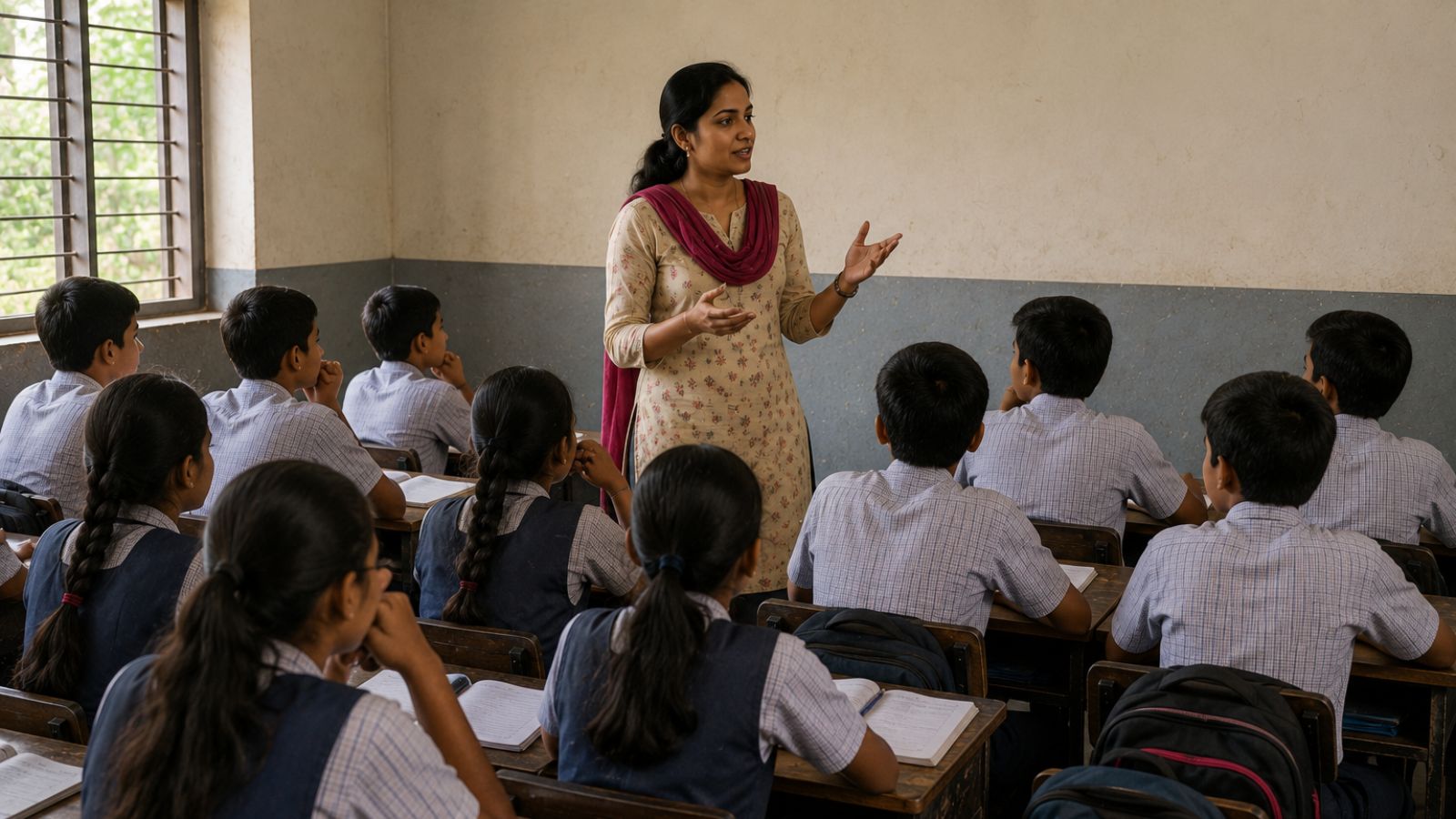
The education sector in South Gujarat is currently recalibrating its academic calendar following a period of intense meteorological instability. Heavy, persistent downpours throughout last Thursday and Friday triggered widespread flooding across the region, forcing local authorities to issue a blanket closure of schools. As floodwaters recede and infrastructure assessments continue, the administration has issued a directive requiring educational institutions to compensate for the lost instructional days by utilizing upcoming public holidays.
The torrential rains severely impacted both urban centers and rural hinterlands, creating logistical hazards that rendered daily commutes unsafe for students and faculty alike. In rural districts, where agricultural infrastructure is often the first to feel the brunt of severe weather, secondary roads and access paths to remote schools were inundated, necessitating the government's intervention to ensure the safety of the student population.
Infrastructure Challenges and the Logistics of Flood Recovery
The decision to suspend classes was driven by the necessity to mitigate risk in a region where geography often complicates rapid drainage. In South Gujarat, the topography—characterized by low-lying plains and proximity to vital river systems—makes the region particularly susceptible to flash flooding during periods of high-intensity monsoon activity. When these rains coincide with localized drainage bottlenecks, urban streets and rural arterial roads can become impassable within hours.
Beyond the immediate disruption to the school week, the flooding has highlighted the vulnerability of regional infrastructure. Agricultural transport routes, which are critical for the movement of perishable produce and daily farm supplies, faced similar closures. The state’s move to mandate the recovery of lost academic time reflects a broader effort to ensure that the educational curriculum remains on track despite the increasing frequency of extreme weather events. Officials are now working with district education boards to streamline the transition back to a full-time schedule, aiming to minimize the long-term impact on student learning outcomes.
Balancing Academic Continuity with Regional Resilience
The directive to work on public holidays is a standard procedural response in the region to maintain the total number of mandatory schooling days required by state education boards. By repurposing holidays, schools aim to cover the syllabus segments that were slated for the two-day closure. However, this shift requires a coordinated effort between school administrations, parents, and transport operators, who must now adjust their schedules on short notice.
Educational experts note that while the move is necessary to satisfy regulatory requirements, it places a temporary strain on school management and student schedules. The challenge for educators in South Gujarat will be to maintain a high quality of instruction while managing the pressure of an accelerated academic timeline. Furthermore, the event serves as a reminder to the regional community of the persistent need for robust disaster management planning, as climate variability continues to pose significant challenges to the stability of both public services and regional economic activities.
What This Means for Farmers
The recent weather events and the subsequent disruption to regional services serve as a critical alert for the South Gujarat agricultural community. While the focus has been on schools, the reality of these flash floods carries direct implications for farm operations:
- Supply Chain Bottlenecks: The flooding of rural roads underscores the potential for short-term delays in the movement of harvest and inputs. Farmers should prepare for "last-mile" connectivity issues during high-rainfall events and consider diversifying storage locations to mitigate the impact of road closures.
- Infrastructure Maintenance: The intensity of the recent downpours highlights the importance of maintaining on-farm drainage channels. Ensuring that field outlets and drainage ditches are clear of debris prior to the peak monsoon period can prevent localized waterlogging that threatens crop health and soil structure.
- Communication Coordination: Much like the education sector, agricultural cooperatives and marketing committees often face sudden shifts in operations due to weather. Farmers are advised to stay closely connected to local market updates and cooperative alerts, as the same conditions that force school closures can lead to immediate suspensions of market yard operations or transport logistics.
- Long-term Planning: With extreme weather becoming a more frequent variable, farm managers should integrate climate-resilient practices—such as improved soil drainage management and flexible harvest scheduling—into their operational plans to insulate themselves from the economic losses associated with sudden, weather-induced logistical freezes.