Environmental Activist Sonam Wangchuk Hospitalized Following 21-Day Hunger Strike
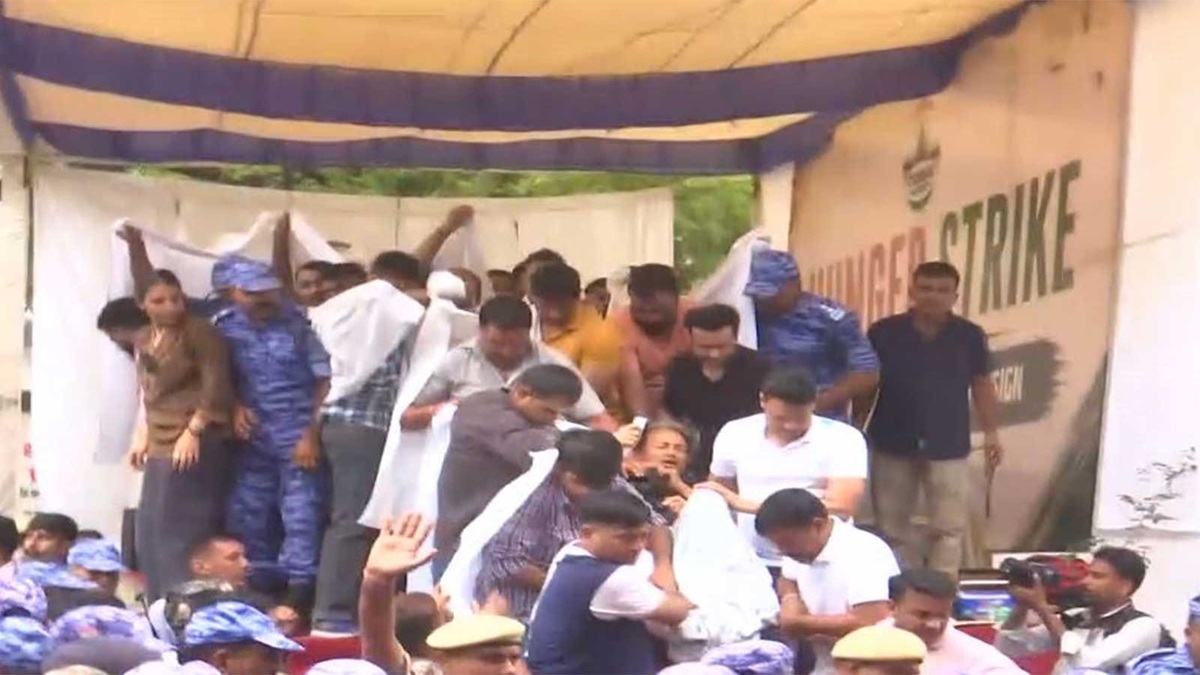
Renowned environmentalist and social reformer Sonam Wangchuk was transported to Safdarjung Hospital by Delhi Police late yesterday, marking a critical juncture in his three-week-long hunger strike at Jantar Mantar. The protest, which began as a call for constitutional protections for the Ladakh region, has been closely monitored by legal and health authorities due to the deteriorating physical condition of the activist.
The intervention comes after 21 days of continuous fasting, a duration that medical experts warn carries severe physiological risks, particularly regarding electrolyte imbalances and organ strain. The Delhi Police action was executed in accordance with previous judicial oversight, ensuring that the activist received immediate clinical attention as his vitals reached a point of medical concern. Supporters and local representatives remain gathered in the capital, awaiting updates on his condition while the broader movement for regional autonomy continues to capture national attention.
Judicial Oversight and the Right to Protest
The hospitalization follows a significant ruling by the Delhi High Court, which had previously intervened to ensure the safety of the protesters. Recognizing the sensitivity of the situation, the court directed that Wangchuk’s health be clinically monitored on a daily basis. In its observations, the bench emphasized that “the life of every citizen is precious,” mandating that medical intervention be provided whenever necessary, regardless of the ongoing protest action.
This judicial directive created a framework for managing the health of those participating in the hunger strike, balancing the constitutional right to peaceful assembly with the state's duty to protect life. By requiring daily medical assessments, the court ensured that the protest did not escalate into a preventable health crisis, establishing a precedent for how the state manages high-profile civil demonstrations involving long-term fasting.
The Core Objectives of the Ladakh Movement
At the heart of the protest lies a demand for the inclusion of Ladakh under the Sixth Schedule of the Constitution of India. Proponents of this movement argue that such a designation is vital for preserving the fragile ecosystem of the high-altitude desert and protecting the unique cultural identity of its indigenous communities. The Sixth Schedule would provide a degree of administrative autonomy, allowing for the creation of Autonomous District Councils that have legislative, judicial, and financial powers.
For many in the region, this is not merely a political demand but an economic and ecological necessity. Concerns regarding large-scale industrial projects, infrastructure development, and the impact of climate change on glacial reserves have fueled the urgency of the movement. Supporters argue that without formal constitutional safeguards, the region faces the risk of environmental degradation that could threaten the livelihoods of local pastoralists and small-scale farmers who rely on traditional water management systems and sustainable land use.
What This Means for Farmers
The ongoing developments surrounding Sonam Wangchuk’s protest hold significant implications for the agricultural community, particularly in ecologically sensitive regions. For farmers and landholders, the core issues highlight several key takeaways:
- Land Rights and Governance: The push for Sixth Schedule status underscores the importance of local governance in land management. Farmers are reminded that constitutional protections are often the primary defense against the encroachment of large-scale commercial interests on ancestral agricultural land.
- Ecological Stewardship: The movement highlights the symbiotic relationship between traditional farming practices and environmental conservation. Farmers are increasingly encouraged to adopt and advocate for regenerative practices that protect local water tables and soil health, as these are the foundational assets of any agricultural economy.
- Policy Advocacy: The situation serves as a stark reminder of the power and risks associated with grassroots advocacy. It underscores the necessity for farming organizations to engage in structured policy dialogue with government bodies early in the development cycle to ensure that regional agricultural needs are integrated into national legislation.
- Risk Management: For those involved in regional activism, the High Court’s ruling serves as a reminder of the legal complexities involved in long-term protests. Maintaining a focus on health and medical safety is paramount, as the legitimacy of any movement is intrinsically linked to the well-being of its participants and the peaceful nature of their advocacy.
As the situation continues to unfold, the focus remains on the recovery of the activist and the potential for a renewed dialogue between the government and representatives of the Ladakh region. For the agricultural sector, the movement stands as a testament to the growing intersection of climate policy, regional governance, and the preservation of traditional agrarian lifeways.