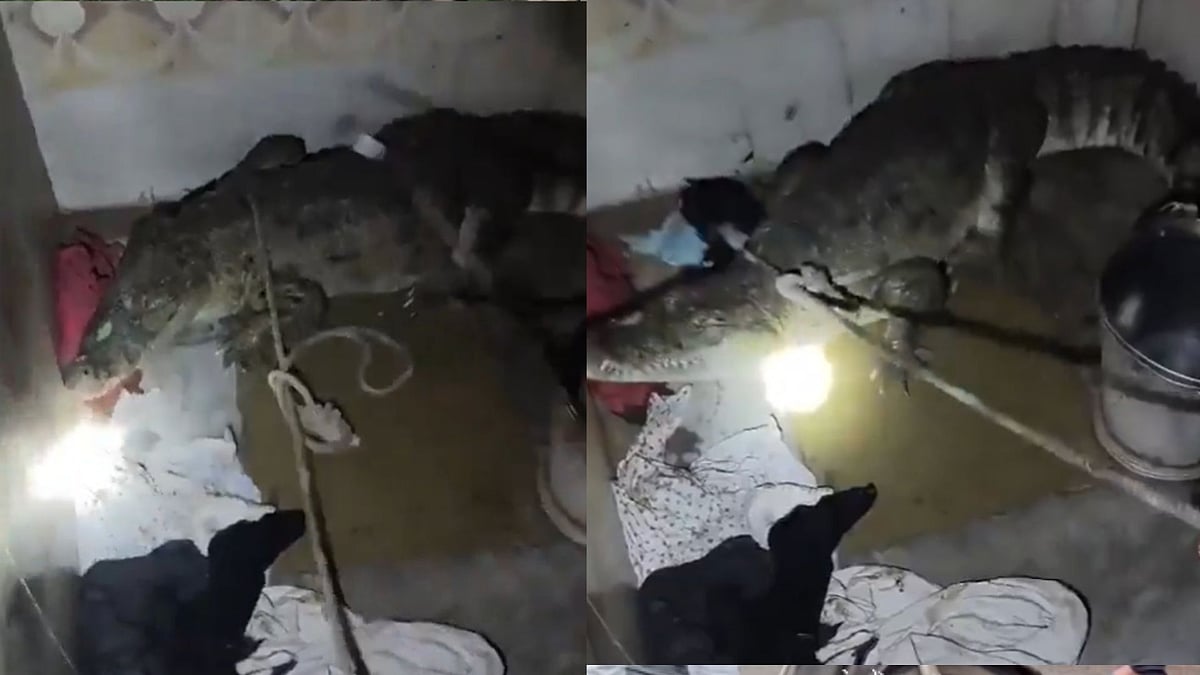
Unusual Intruder: Seven-Foot Crocodile Discovered in Residential Bathroom in Gujarat
Residents in the Anand district of Gujarat experienced a harrowing start to their day when a routine morning activity turned into a scene of high-stakes wildlife intervention. A seven-foot crocodile was discovered sequestered within a residential bathroom, marking a startling encounter that highlights the increasing proximity between expanding human settlements and the natural habitats of apex predators during the monsoon season.
The incident began when the family’s dogs began barking incessantly near the bathroom, signaling a distress that initially seemed unexplained. Upon investigating the source of the agitation, the homeowners were met with the sight of the large reptile, which had apparently navigated its way through the property’s drainage infrastructure. The presence of such a formidable predator within the confines of a private dwelling triggered an immediate emergency response, with local forest officials and wildlife rescue experts arriving on the scene to mitigate the threat to both the occupants and the animal.
The Impact of Monsoon Dynamics on Wildlife Displacement
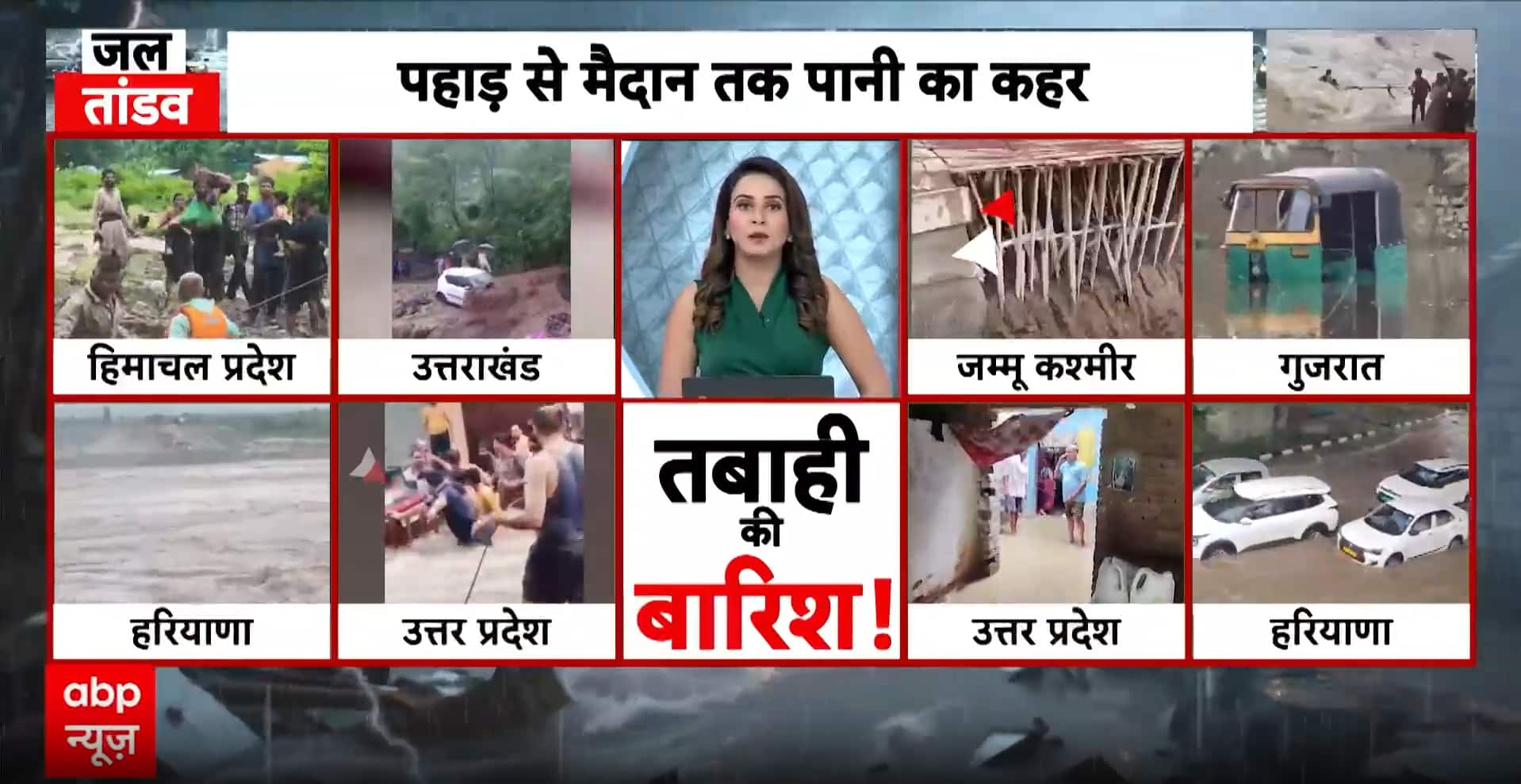
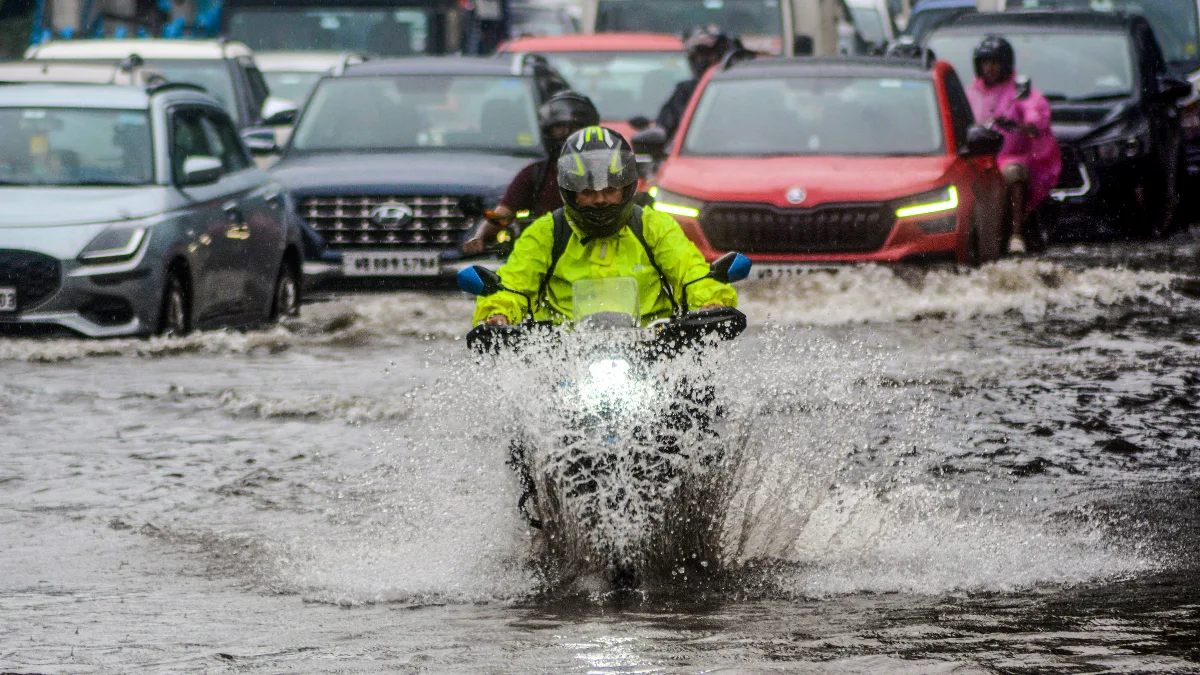
Wildlife experts suggest that the appearance of crocodiles in residential areas is not an isolated phenomenon, but rather a direct consequence of seasonal environmental shifts. As the monsoon rains intensify, water levels in local ponds, rivers, and irrigation canals rise significantly. This hydrological surge often displaces crocodiles from their established basking grounds and hunting territories, forcing them to seek higher, drier ground.
In regions like Anand, where agricultural landscapes are interspersed with wetlands and water bodies, the boundary between wilderness and human habitation becomes increasingly fluid during the rainy season. Crocodiles, which are highly adaptable, often utilize drainage systems and irrigation channels as transit corridors. When these systems overflow or connect inadvertently to residential plumbing or low-lying properties, the animals can find themselves trapped in domestic spaces. The incident serves as a stark reminder of the importance of ecological awareness during periods of heavy precipitation, when wildlife movement patterns are significantly altered by rising water tables.
Professional Rescue and Safe Relocation
The operation to extract the crocodile was conducted with precision, prioritizing the safety of the reptile and the local community. Wildlife rescuers utilized specialized equipment to secure the animal, ensuring that the crocodile remained unharmed throughout the process. Following the successful containment of the seven-foot specimen, forest department officials transported the animal to a suitable natural habitat, where it was released into a nearby, less populated pond.
Authorities have emphasized that while the sight of a crocodile in a residential bathroom is undeniably shocking, such encounters are rarely predatory in nature toward humans. Instead, they are usually cases of a disoriented animal searching for a path back to open water. The forest department has commended the family for their restraint and their quick action in alerting professionals rather than attempting to handle the animal themselves, which could have resulted in severe injury.
What This Means for Farmers
For the agricultural community in Gujarat and similar regions, this incident underscores the need for proactive safety and farm management practices during the monsoon season:
- Infrastructure Inspections: Farmers should regularly inspect irrigation outlets, drainage pipes, and fencing for structural vulnerabilities. Ensuring that gaps in infrastructure are secured can prevent wildlife from accessing livestock pens or residential areas.
- Livestock Management: During heavy rains, keep livestock in elevated, secure enclosures located away from flooded fields or canals. Predators are more likely to traverse agricultural land when normal water routes are disrupted.
- Maintain Distance: If a crocodile or any large wild animal is spotted on a farm, the golden rule remains: do not approach, feed, or attempt to capture the animal. Contact local forest officials immediately. These animals are protected species, and their removal requires professional expertise to ensure legal compliance and personal safety.
- Community Vigilance: Agricultural communities should establish communication protocols during the monsoon. Sharing information about wildlife sightings via local networks helps neighbors stay alert and take necessary precautions, such as keeping pets indoors and monitoring children during outdoor activities near water sources.
- Ecological Respect: Understanding that these animals are part of the local ecosystem is vital. By keeping drainage areas clear of debris and maintaining a respectful distance, farmers can coexist with local wildlife while minimizing the risk of dangerous encounters.