High-Level Consultations Held Regarding State Stability and Legal Proceedings
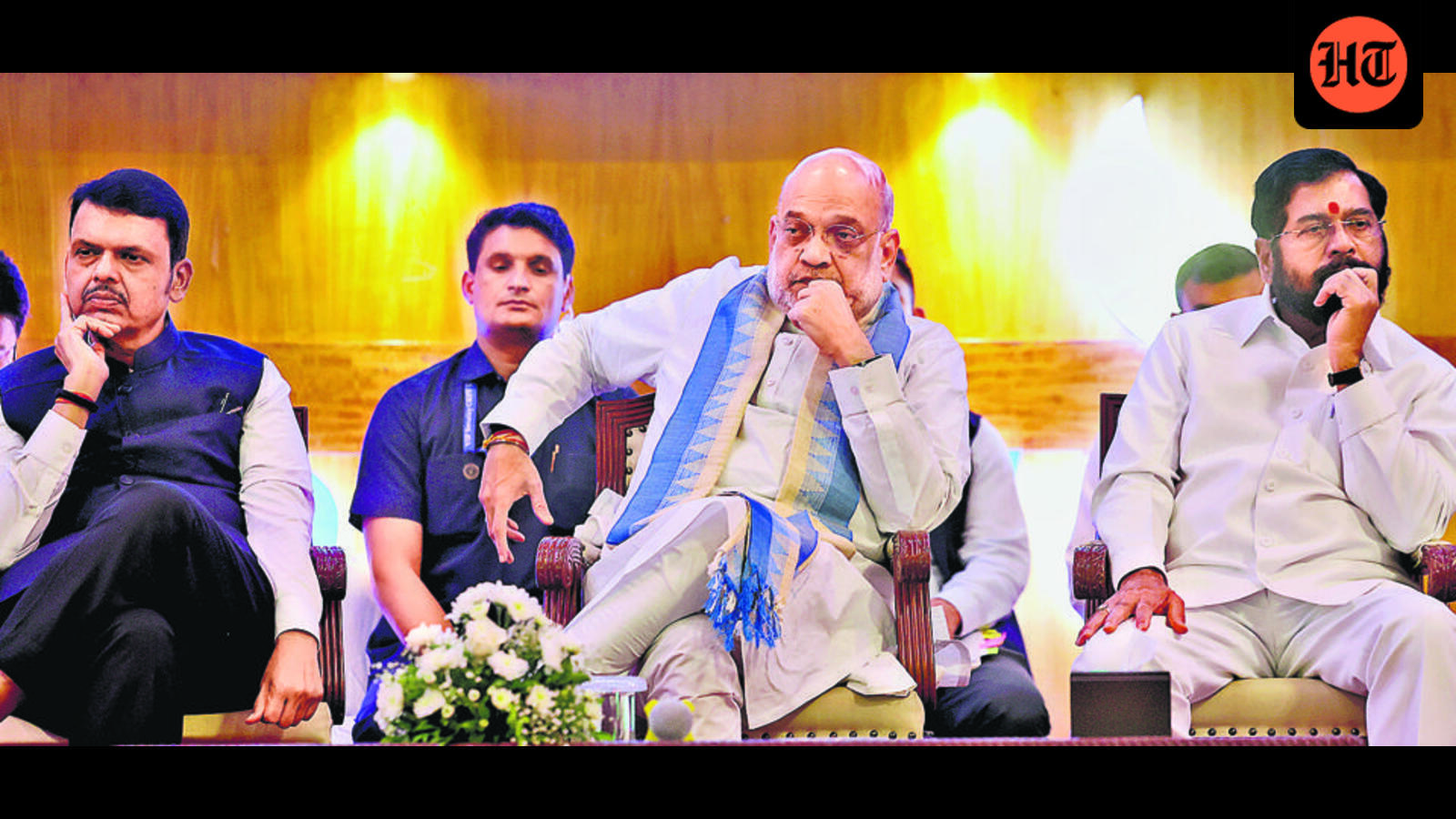
The Union Home Minister recently convened a high-level meeting with key state leadership, including Chief Minister Eknath Shinde and Deputy Chief Minister Devendra Fadnavis, to address a convergence of sensitive political and social developments. The meeting, which focused on the ongoing student-led demonstrations and the protracted legal proceedings concerning the status of the Shiv Sena, serves as a critical juncture for state governance.
According to sources within the Bharatiya Janata Party (BJP), the primary objective of the briefing was to provide the Union Home Ministry with a comprehensive assessment of the prevailing law-and-order situation. As the state navigates a complex period of legislative and social unrest, the central government has sought to ensure that local administrative responses remain balanced, measured, and firmly within the framework of constitutional norms.
Evaluating the Scope of Student Demonstrations
Central to the discussions was the current wave of student protests that have emerged in various pockets of the state. These movements, often driven by concerns regarding recruitment processes, educational policy, and employment opportunities, have required a delicate administrative touch. During the session, the Union Home Minister was briefed on the specific nature of the police response to these gatherings.
A senior BJP leader familiar with the details of the meeting noted that the central leadership was specifically appraised of the fact that the demonstrations have, in large part, remained peaceful. The emphasis on the non-violent character of these protests is significant, as it suggests a concerted effort by the state administration to maintain public order without escalating tensions through heavy-handed enforcement. By keeping the Union Ministry informed, the state leadership aims to demonstrate that they are maintaining control while respecting the democratic right of students to voice their grievances.
Navigating the Shiv Sena Legal Impasse
Beyond the immediate social unrest, the meeting also touched upon the complex legal saga surrounding the Shiv Sena. The dispute, which has far-reaching implications for the state’s political landscape, continues to move through judicial channels. This ongoing uncertainty has historically influenced political discourse and, by extension, the administrative focus of the current government.
The dialogue between the Union Home Minister and the state’s top leadership underscores the importance of maintaining political stability during periods of institutional transition. By aligning the state’s strategic direction with central oversight, the Chief Minister and Deputy Chief Minister are signaling a unified front. For the state government, resolving these legal questions is not merely a matter of party identity but a prerequisite for ensuring that the legislative agenda—particularly regarding infrastructure and economic policy—remains unimpeded by political volatility.
What This Means for Farmers
While the headlines focus on political maneuverings and student protests, the agricultural sector remains deeply sensitive to the stability of the state government. For the farming community, these high-level meetings carry significant practical and economic weight:
- Policy Continuity: Political stability is essential for the timely implementation of state-sponsored agricultural schemes, including subsidy disbursements, crop insurance settlements, and irrigation project funding. When the state leadership is preoccupied with legal or social crises, administrative decision-making can often slow down, leading to delays in vital support services.
- Market Confidence: Investors and stakeholders in the agricultural value chain—from private procurement firms to input suppliers—monitor the political climate closely. A stable, functioning government ensures that supply chains remain open and that the state remains an attractive destination for agricultural investment, which is crucial for modernizing post-harvest infrastructure.
- Focus on Agrarian Issues: When student protests and political disputes dominate the news cycle, there is a risk that rural issues—such as price fluctuations, weather-related crop losses, and input cost inflation—may temporarily move down the priority list. Farmers should remain vigilant and continue to engage with local agricultural extension offices to ensure that their immediate concerns, such as seasonal credit and market access, are not sidelined by the broader political discourse.
- Actionable Advice: Farmers are encouraged to maintain close contact with their local farmer producer organizations (FPOs) and cooperatives. In times of political uncertainty, these grassroots organizations serve as the most effective buffer, ensuring that collective voices are heard by the administration and that essential services continue to flow regardless of shifts in the state capital.